
Last updated November 25, 2026
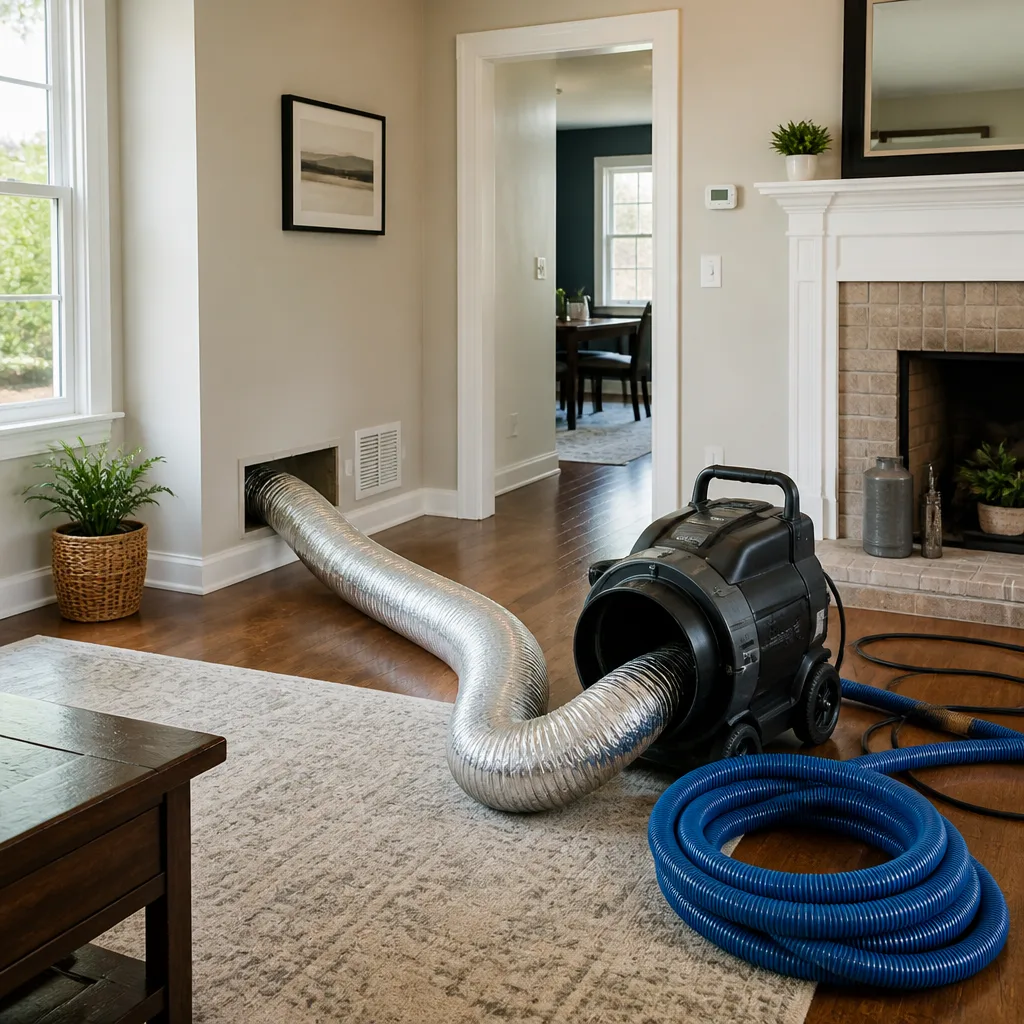 Whole-home duct cleaning
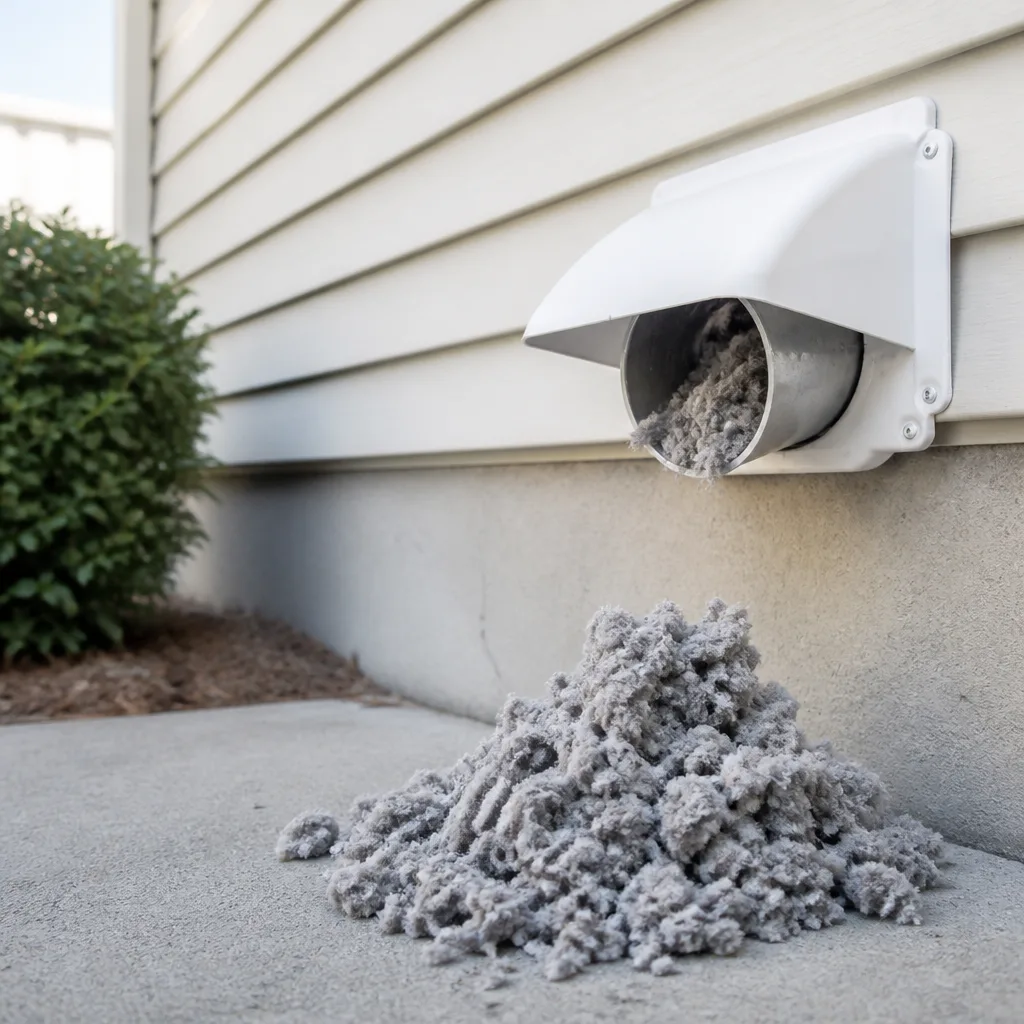 Dryer vent cleaning
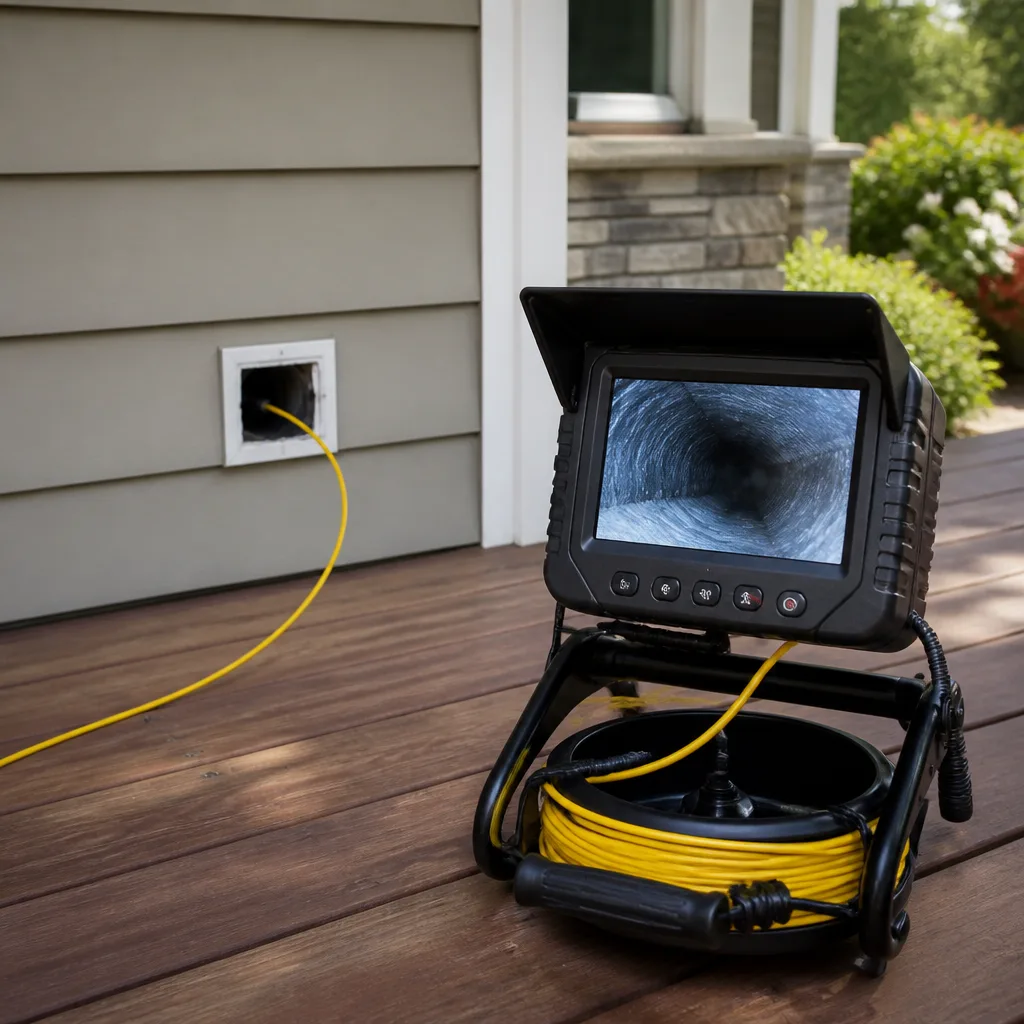 Camera inspection
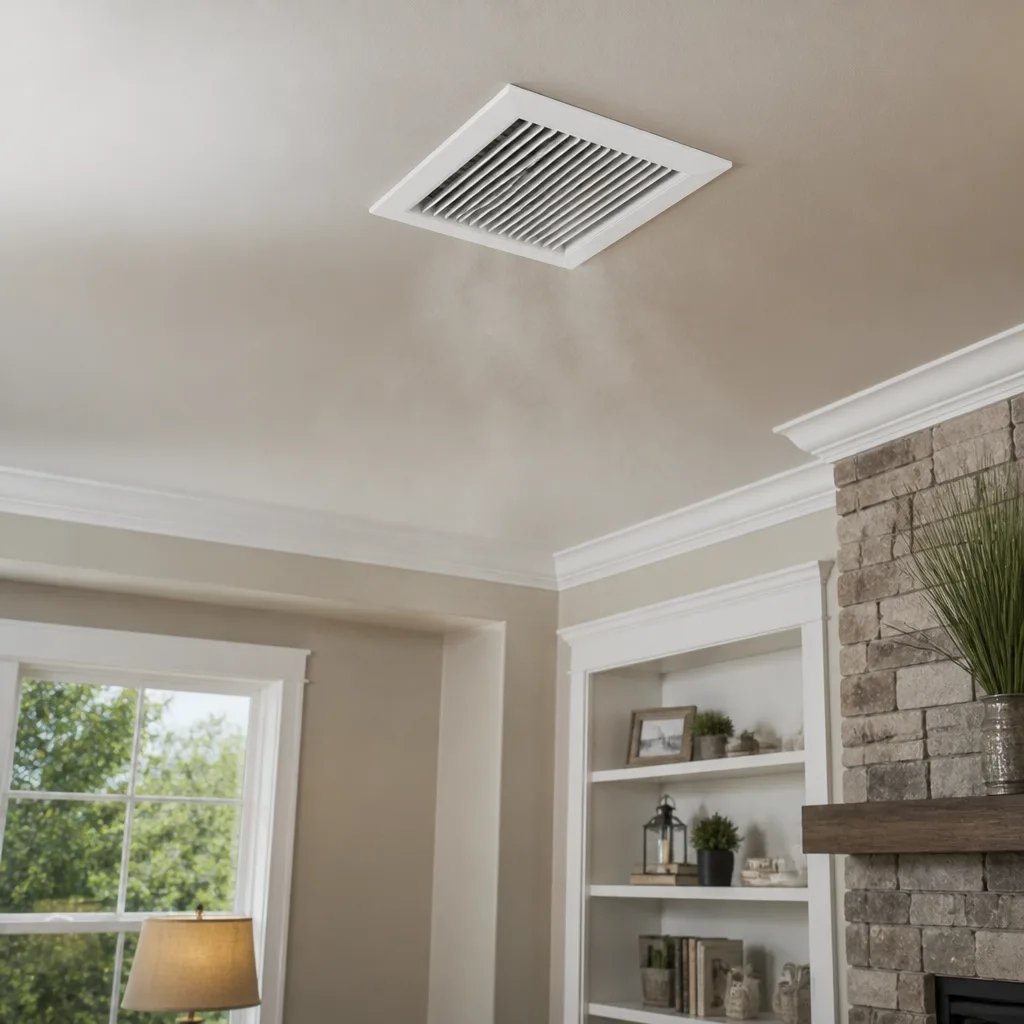 Sanitizing & deodorizing
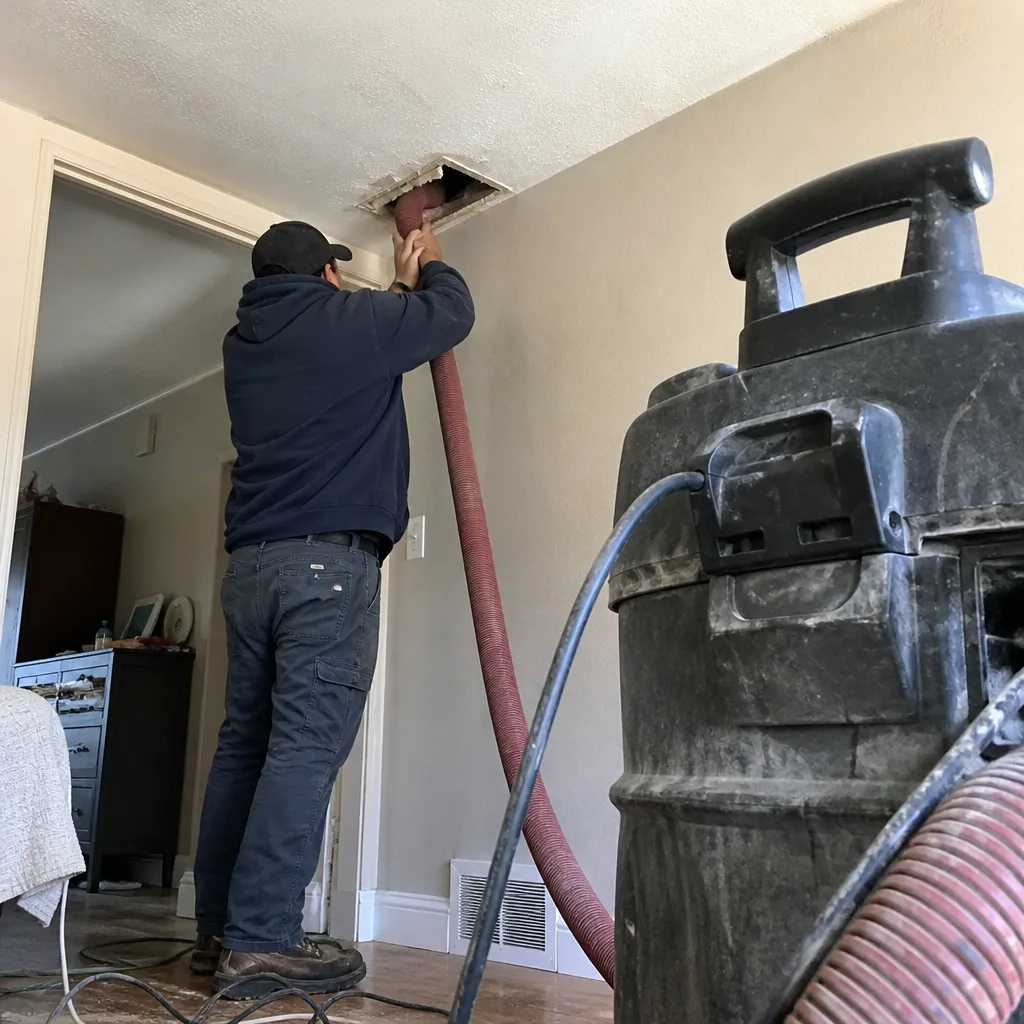
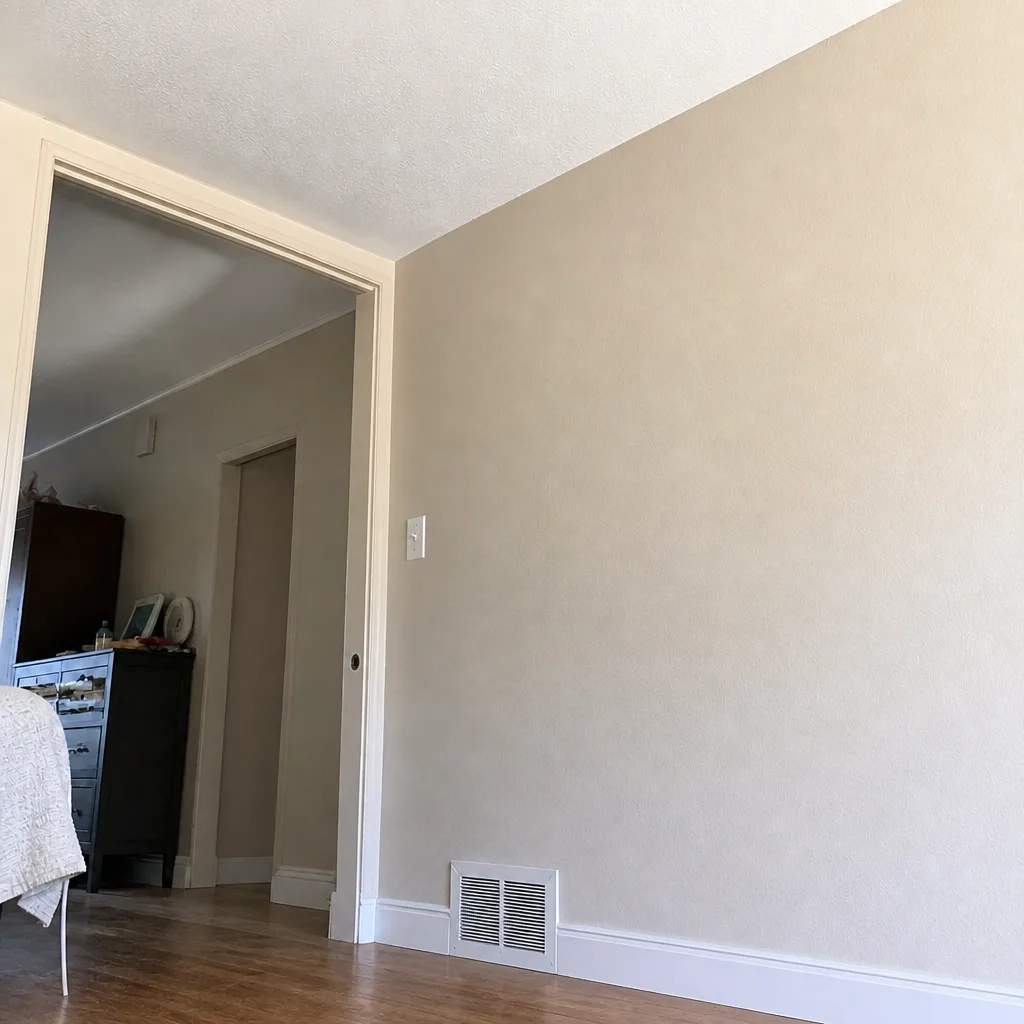
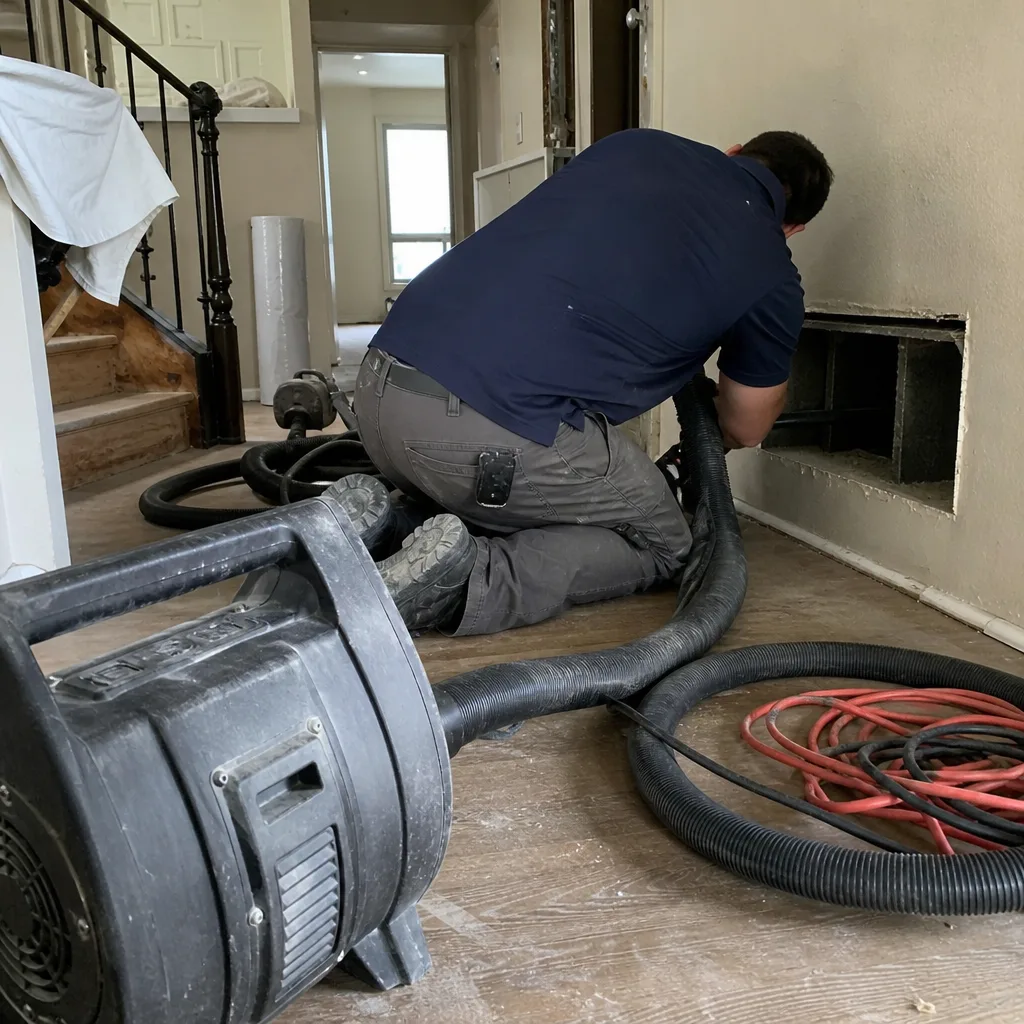
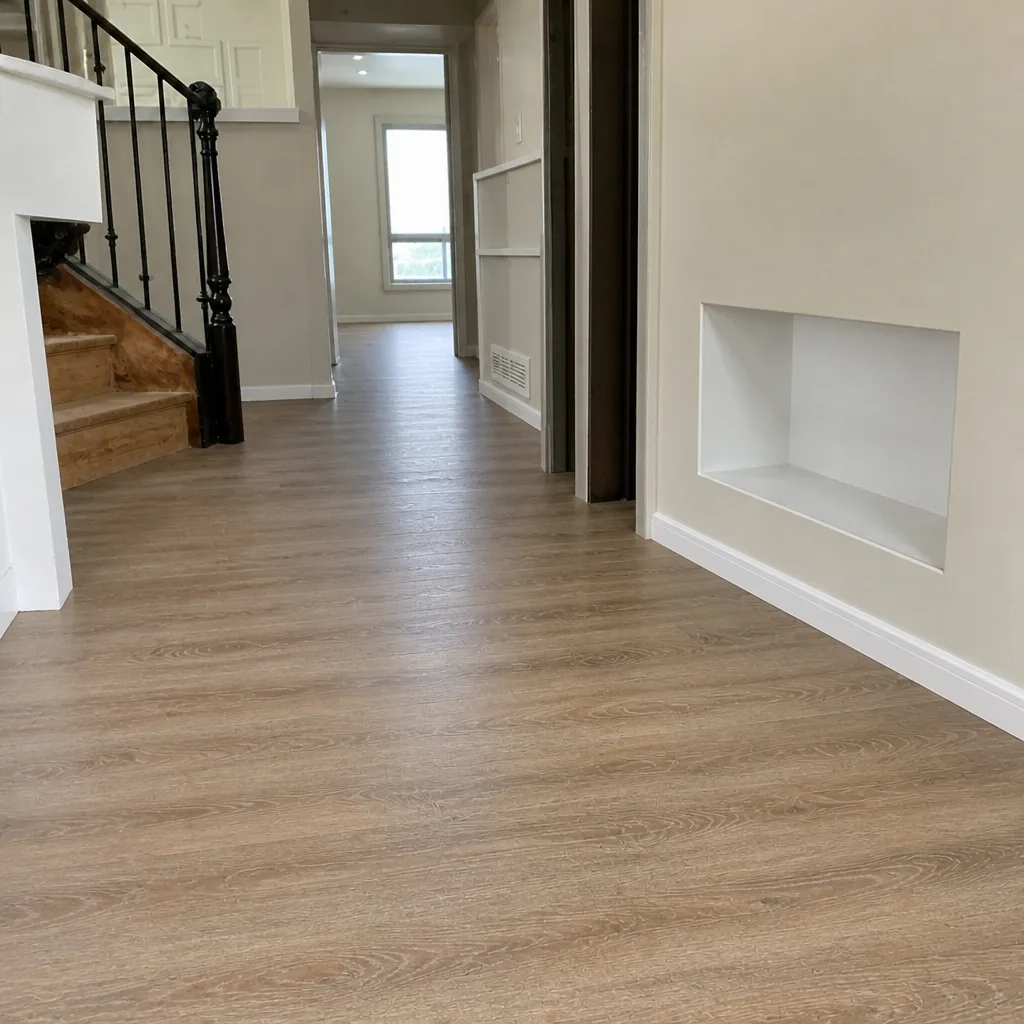
Whole-system duct and dryer vent check with before-and-after photos - you see exactly what came out of your vents
That "$99 whole-house special" is a bait ad - the real number appears once they are in your hallway, or the "clean" is a shop-vac at the register. We photograph the inside of your ducts before and after instead.
Air Duct Cleaning Maintenance Checklist for Lakewood Homeowners
Most duct cleaning advice says the same thing: clean every three to five years and forget about it. That interval assumes average conditions, and a lot of Lakewood homes don’t live in average conditions. If you’re within a mile of the hogback ridgeline, your ductwork pulls in more fine grit on the west wind. If you live near the Colfax or Wadsworth construction corridors, drywall dust and road debris find their way into return grilles faster. And if you were here through the 2020 to 2022 wildfire smoke seasons, your ducts have already filtered air you probably remember. Ducts age on a schedule tied to where you live, not to a calendar on a box. This checklist turns maintenance into specific, dateable tasks you can actually track.
Quick Answer
Air duct maintenance in Lakewood works best as a seasonal checklist rather than a single multi-year cleaning cycle. Inspect your filter monthly and change it based on MERV rating and pressure drop, not the label’s suggested interval; check registers, return grilles, and visible flex duct each season for dust rings, dark staining, or sagging; and schedule a professional inspection or cleaning whenever you spot change that a home task can’t fix. Log everything with dates so your next technician can see the trend instead of guessing at the current state.
Styles & brands we work with
- Whole-home duct cleaning
- Dryer vent cleaning
- Camera inspection
- Sanitizing & deodorizing
Table of Contents
- Why the 3-to-5-Year Cleaning Rule Doesn’t Fit Every Lakewood Home
- Spring: Pollen Season and Filter Intervals
- Summer: The Wildfire Smoke Window
- Fall: Heating System Startup and Duct Sealing
- Winter: Furnace Runtime Peak
- What You Can Check Yourself Without Tools
- When to Log a Professional Inspection vs. Handle It Yourself
- How to Document Duct Condition Over Time
Why the 3-to-5-Year Cleaning Rule Doesn’t Fit Every Lakewood Home
The interval guidance most homeowners see comes from industry averages: a typical home with typical outdoor air and typical filter habits. Lakewood isn’t typical in a few specific ways. Our elevation means thinner air and higher dust loads than a home at sea level would see. The dry climate means static cling on duct interior surfaces, which holds fine dust longer than humid air would. And our seasonal wind patterns, especially along the western edge of the city near the ridgeline, drive grit into return-air intakes in a pattern that’s easy to underestimate.
Then there’s the construction corridor factor. Homes along Colfax Avenue and Wadsworth Boulevard have been within a few blocks of active demolition and road work for stretches of the past several years. That work throws fine particulate into the outside air, and every time your HVAC system draws in outside air for ventilation, some of that particulate rides along. Homes near these corridors tend to have return grilles that darken faster than homes in quieter pockets like Belmar or the neighborhoods around Belmar Park.
Wildfire smoke is the third factor that pushes Lakewood homes off the average schedule. The 2020 to 2022 smoke seasons sent fine ash into every HVAC system drawing outside air. That ash doesn’t just sit on top of the filter; it works into the return plenum, settles on the blower wheel, and coats the interior of supply runs. If a home hasn’t been cleaned since, the interior is due another look even if the calendar says otherwise.
So the practical interval isn’t a fixed number. It depends on:
- Proximity to the hogback ridgeline and prevailing wind exposure
- Whether your home sits near an active construction corridor like Colfax or Wadsworth
- Whether your system has been cleaned since the 2020 to 2022 smoke events
- Filter MERV rating and how often it’s actually changed
- Whether the duct system is sealed, or leaking and drawing in attic or crawlspace air
Use the seasonal checklist below to turn those variables into specific checkpoints throughout the year. Written by the team at Lakewood Air Duct Cleaning Co.
Spring: Pollen Season and Filter Intervals
Spring in Lakewood brings a pollen surge that lands in your return grilles faster than most homeowners expect. Cottonwood fluff, juniper pollen, and grass pollen all ride the same wind that carries fine grit off the hogback. Your filter is the first line of defense, so spring is when filter discipline matters most.
A common mistake is trusting the printed interval on the filter box. A MERV-8 filter that says “up to 90 days” is describing an average home under average conditions, and a Lakewood home near open space or a wind-exposed lot is not average. The honest way to know when a MERV-8 filter is loaded is to look at it every month during spring, hold it to a light, and watch for full-coverage gray across the pleats. If the pleats are gray in the center but clean at the edges, it’s still working. If the whole face is loaded, it’s done.
Higher MERV ratings change the math. A MERV-13 filter catches more pollen and smoke particulate but loads faster and creates more pressure drop on the blower. If you’ve moved up to MERV-13 because of smoke season and you’re noticing weaker airflow at distant registers, the filter may be too restrictive for your system or simply overdue. Check it every two to three weeks in spring rather than monthly.
Spring home tasks:
- Inspect your filter every 30 days during March, April, and May. Mark the date on the filter frame with a pencil so you can see how long it took to load.
- Wipe down supply registers with a damp cloth and note whether a gray dust ring forms again within two weeks. A ring that returns fast is a sign the duct is still feeding dust.
- Check outside for pollen coating on the outdoor unit and intake screens. A clogged intake pulls harder on interior air and worsens the dust load.
- Log the filter change date in your documentation (see the documentation section below) along with a note about how loaded it looked at four weeks.
Spring is also the right season to have your air duct cleaning done, before summer cooling season locks the house up. Cleaning while windows are still open gives you a chance to verify improvement before the smoke window arrives.
Summer: The Wildfire Smoke Window
Summer is when Lakewood’s indoor air quality faces its hardest test. The wildfire smoke window that stretches across July, August, and into September has become an expected seasonal event. Smoke brings fine particulate into every home that draws outside air, and the duct system is where that particulate accumulates.
The right strategy during a smoke window is to run the system on recirculation as much as possible, keep windows closed, and lean on filtration instead of ventilation. A MERV-13 filter at the return grille does a meaningful job on smoke particulate. If you’ve been thinking about a media cabinet or a higher-capture filter setup, this is the season when it earns its keep. We install and service Honeywell and Aprilaire whole-home air quality products as part of a complete indoor air solution, and either brand can carry a higher-MERV media filter that fits a standard return plenum.
During a smoke event, watch for these indicators:
- A visible gray film on the pleats of the filter within a week of heavy smoke
- A musty or campfire-like smell at the registers even after the outside air clears
- A blower that seems louder or runs longer to hit the thermostat setting
- Return grille face darkening faster than surrounding walls
Two of those four (the smell and the blower pattern) are signs the smoke has reached past the filter. That’s when cleaning matters more than filtration alone. If the interior of the duct system has been coated, a higher-MERV filter will just load faster. HVAC cleaning addresses the blower, evaporator coil, and interior plenum, not just the ducts, which is why it’s the fuller response to a heavy smoke season.
Sanitizing is worth considering after a smoke event, particularly in homes with allergies or asthma in the household. Post-clean sanitizing is part of our air quality and sanitizing service, and it addresses odor and biological growth that cleaning alone doesn’t remove.
Fall: Heating System Startup and Duct Sealing
Fall is the most important window in the Lakewood duct maintenance year. The first furnace startup following a summer of stagnation is when a lot of duct problems become visible. Thermostat calls for heat after months of cooling or idle time push air through the system, and any dust held along interior surfaces and flex duct lining gets stirred up all at once.
Watch for these signs in the first two weeks of heat:
- A distinct dust smell at the registers when the furnace first kicks on
- Visible dust blown into the room from a supply register
- Uneven heat across rooms that were even last winter
- Higher-than-last-year heating bills without a rate change
Any of these is a signal that the duct system either needs cleaning or is leaking. Duct leakage is the more expensive of the two problems because it silently bleeds conditioned air into the attic, crawlspace, or wall cavities. Unsealed duct joints in a forced-air system are one of the quietest energy losses in any home, and cleaning around a leaking joint without sealing it means the system will recontaminate quickly.
This is where duct repair and sealing as a named service differs from cleaning alone. Cleaning removes what’s there. Sealing prevents the next load from arriving. If your home has visible flexible duct in the attic or basement showing sag, kinks, or disconnected sections, that’s the first fix before cleaning is worth scheduling.
Fall startup checklist:
- Run the furnace for 15 minutes with windows closed and registers open. Note any smell, visible dust, or noise that wasn’t there last heating season.
- Walk the attic or crawlspace if accessible and look at flex duct runs. Sagging runs, kinks, or clear disconnects should be photographed with the date.
- Check every supply register for dust rings and every return grille for darkening. Note any register that’s worse than the others.
- Schedule a professional inspection if you see any of the signs above or if it’s been more than the interval suggested by your home’s exposure (see the decision tree below).
- Log the date of the first furnace run so you can compare to the same date next year.
Fall is also a good time to clean your dryer vent if you haven’t this year. Clogged lint in a dryer vent is a leading fire cause in homes, and dryers run more in winter. Getting it done before the heating season avoids stacking two fire-risk loads in the same season.
Winter: Furnace Runtime Peak
Winter is when your furnace runs the most, which means every hour of runtime pushes more air through the ducts and every filter loads faster. This is the season where filter discipline pays off most, and where the dust that fell in the fall either gets caught or gets deposited.
Check the filter every two to four weeks during the peak heating months, especially if you’ve got a MERV-8 or higher. A loaded filter forces the blower to work harder to hit the thermostat setpoint, and that shows up as longer runtimes and higher bills even at the same gas rate.
Winter is also when the ducts themselves get a real test of the seams. Winter air in Lakewood is dry, and ductwork that was marginal in fall (a slightly separated collar at the furnace, a poorly sealed boot at a register) will leak more obviously when the temperature gap between the duct interior and the attic or crawlspace is at its widest. If you notice a cold room that gets colder in winter than logic would suggest, look at the duct run to that room before you assume it’s an insulation problem.
Winter tasks:
- Inspect the filter every two weeks during the coldest stretch (typically mid-December through mid-February)
- Vacuum return grille faces monthly with a brush attachment
- Note any register that blows weaker than its neighbors, and whether the weakness is seasonal
- Watch for condensation on supply registers (a sign of a leak into a cold space)
- Keep snow and ice clear of the outdoor intake and exhaust, if your system has one
If a room goes cold the moment the outdoor temp drops below freezing, that’s diagnostic. It points to a leak somewhere on that run, and it’s the kind of problem worth a professional inspection before spring.
What You Can Check Yourself Without Tools
A lot of duct condition information is visible to a homeowner who knows where to look. None of these checks require tools beyond a phone for photos and a pencil for notes.
Register dust rings
Look at the face of every supply register. A thin, even layer of dust is normal. A darker ring that forms a distinct outline around the perimeter of the register face (or around the frame where it meets the wall) means the register is blowing dust or the surrounding wall is getting coated by leakage. Ring formation within two weeks of wiping is the clearest sign you need professional cleaning.
Return grille coloration
Return grilles pull air in, so they load unevenly. A gray-to-black gradient across the grille face tells you the filter behind it isn’t catching what’s coming through, or that the return plenum is coated further back. Compare the return grille to the supply regs in the same room. If the return is significantly darker, that’s the load the filter isn’t catching.
Flexible duct visible sag
If you have attic or crawlspace access and can see your flex duct, look for runs that dip or sag between supports. A deep sag is where dust and debris collect first, and it also restricts airflow. Kinks (a sharp bend) and disconnected collars (a section that doesn’t meet the next) are worth photographing and logging. Duct repair and sealing addresses both.
Blower and furnace cabinet dust
Open the filter door on your furnace and look at the blower wheel if it’s visible. A thin even coat of dust is normal. A heavy gray felt-like build-up on the blower fins means the filter has been bypassing for a while. That’s a professional cleaning issue.
Return air smell
Walk to a return grille and sniff near it. A musty smell on the return means the return side of the system is getting stale or damp air. Not a thing to fix with a spray; it’s a thing to inspect.
When to Log a Professional Inspection vs. Handle It Yourself
The line between a homeowner task and a professional inspection is set by what’s actually visible versus what lies beyond reach. Here’s a decision tree to apply each season.
If the only finding is a loaded filter, a dust ring on a register that doesn’t return within two weeks of wiping, or a return grille that’s slightly darker than surrounding grilles: change the filter, wipe the register, and keep checking. No professional inspection is needed yet. Log the finding and re-check in 30 days.
If a dust ring returns within a week or two, or the return grille darkens within a month of being wiped: schedule a professional inspection. The load is active, which means the duct system is depositing into the room faster than the room can clear.
If you see flex duct sag, kinks, or disconnected runs in the attic or crawlspace: schedule duct repair and sealing before any cleaning. Cleaning a leaking system just re-contaminates it.
If there’s a persistent musty smell at the return, or visible biological growth at a register or inside the air handler: professional inspection, and likely sanitizing after cleaning. Do not attempt to spray anything into the duct system yourself.
If you noticed dust blowing into a room from a supply register: professional inspection. Active blow-through means the cleaning is overdue or a seal has failed.
If your system has never been cleaned and you’ve been through the last few smoke seasons or a nearby construction corridor: professional inspection, even without a visible symptom. The interior condition isn’t something you can check from outside the register.
| Finding | Action | Timeframe |
|---|---|---|
| Filter loaded at 30 days | Change filter, log date | Same day |
| Dust ring returns within 2 weeks of wiping | Professional inspection | Within 30 days |
| Return grille darkens within 30 days | Professional inspection | Within 30 days |
| Flex duct sag, kink, or disconnect visible | Duct repair and sealing first | Before next heating season |
| Musty smell at return | Professional inspection + likely sanitizing | Within 30 days |
| Visible dust blowing from supply register | Professional inspection | Within 2 weeks |
| No symptoms, no cleaning in several years | Professional inspection | Schedule when convenient |
How to Document Duct Condition Over Time
The single most useful thing you can do for your duct system is record what you see, with dates. Most duct problems develop slowly, and a technician who arrives with no history is looking at a snapshot. A technician who arrives with two years of dated notes can see the trend.
The system is simple. Use a phone note or a small notebook. For every check, record four things:
- Date and what you checked (“April 3, filter inspection” or “September 14, first furnace run”)
- What you observed (“Filter loaded to about 80% of the face at four weeks,” “Return grille in hallway noticeably darker than living room,” “Flex duct in attic sags between the second and third collar”)
- Photo (same angle each time, if possible)
- Action taken (“Changed filter to MERV-11,” “Wiped register and re-checked in 14 days”)
Photograph the same register from the same angle every time. Photograph the same return grille. If you have attic access, photograph the same duct run from the same vantage. Photos taken at consistent angles over time show change that’s hard to see otherwise, especially grille darkening.
When you schedule a professional visit, share the log. A technician who can see the trend, rather than just the current state, can size the service to the actual problem. That’s part of how we run the visit: our technicians have up to 11 years of experience, we use Rotobrush rotary-brush and Nikro HVAC cleaning equipment to remove what’s inside the ducts and capture it, and we clean, seal, and test, rather than just blow out. The log makes that work more efficient.
Keep the log for at least two full seasonal cycles. That gives a technician the pattern across a full year of use, not just one season.
Common Mistakes to Avoid
- Trusting the filter’s printed interval. A “90-day” MERV-8 filter in a Lakewood home near exposed space or a construction corridor can load in three to four weeks during spring and smoke season. Check the filter itself, not the label.
- Cleaning without sealing. If the duct system has open joints, disconnected runs, or unsealed boots, cleaning will only re-contaminate within weeks. Duct repair and sealing is the fix, not a repeat cleaning.
- Going to a higher MERV without checking airflow. A MERV-13 in a system sized for MERV-8 can strangle airflow at distant registers. If you move up in MERV, watch for weaker supply air and check the filter more often.
- Ignoring a return grille that darkens before any supply register does. A dark return means the filter isn’t catching what the system is pulling in, and the return plenum is coating further back. That’s an inspection trigger, not a wipe-and-forget item.
- Skipping the fall startup check. The first furnace run of the year is the most informative moment of the whole duct calendar. Missing it means waiting a full year for the same signals.
- Cleaning around an obvious leak on the flex duct runs in the attic. Sagging or kinked flex catches debris faster than clean runs, and it dumps conditioned air into the attic. Seal first, clean after.
- Assuming duct cleaning is set-and-forget. Ducts re-contaminate according to where you live. Homes near the hogback ridgeline or a construction corridor on Colfax or Wadsworth will land back on the cleaning calendar faster than homes in lower-dust pockets.
See the difference
 Before
 After
 Before
 After
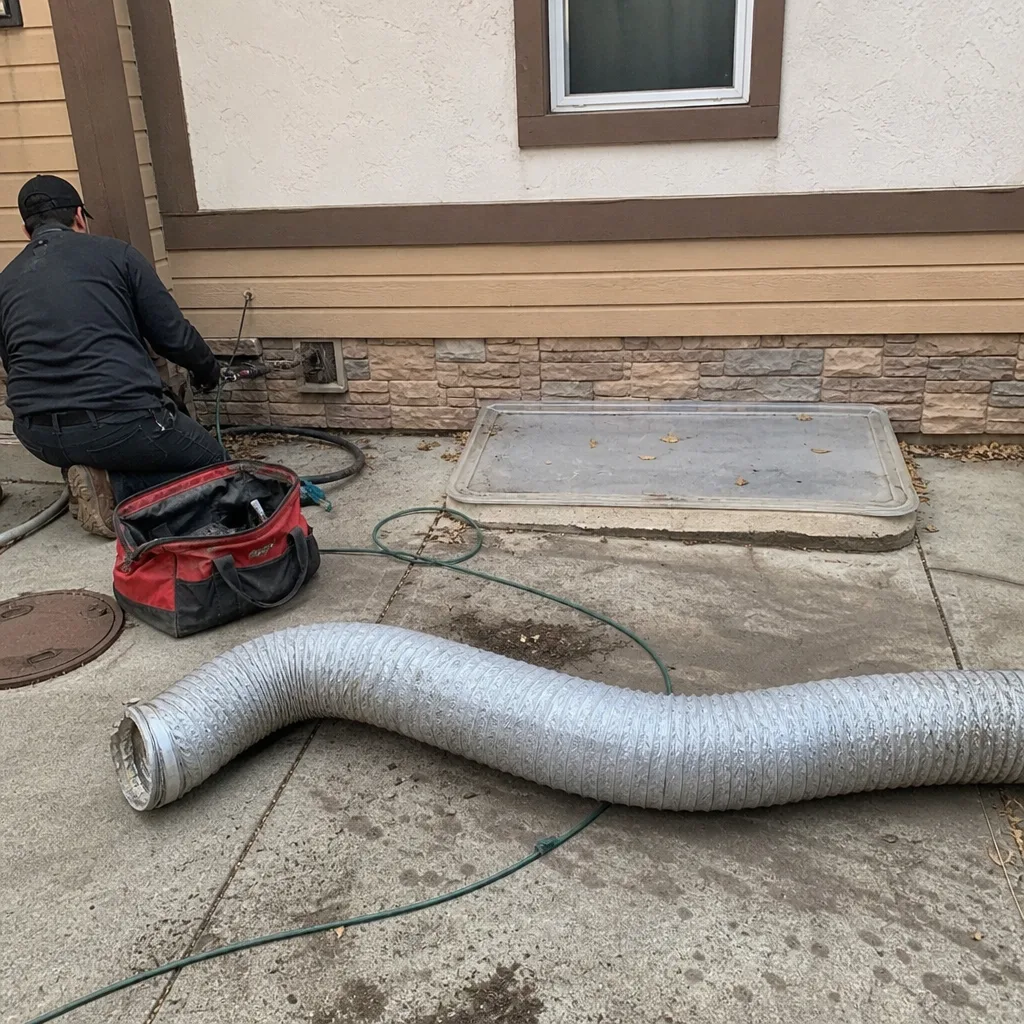 Before
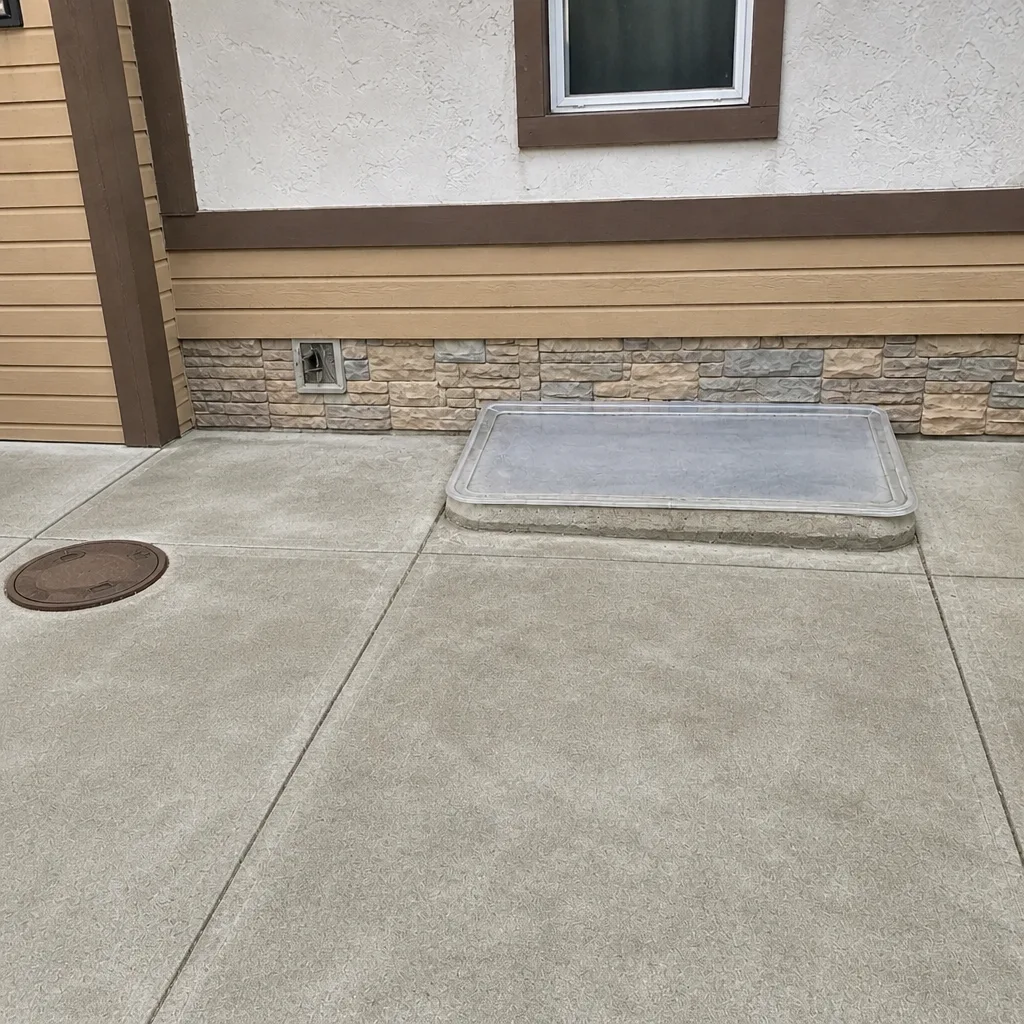 After
When to Call a Professional
Some findings are homeowner tasks and some aren’t. Call a professional when: dust streaks into a room from a supply register, a return grille darkens within a month of being wiped, there’s a musty smell on the return side, flex duct shows visible sag or disconnect in the attic or crawlspace, or the system hasn’t been inspected since the last smoke-heavy season. An inspection is also warranted if you’re moving into a new home and don’t know the duct history, or if you’ve been through a renovation and drywall dust found its way into the returns. Lakewood Air Duct Cleaning Co provides air duct cleaning, dryer vent cleaning, HVAC cleaning, duct repair and sealing, and air quality and sanitizing across Lakewood. Estimates are free. Call (877) 820-8391. We answer 24/7.
When we arrive, we use Abatement Technologies negative-air and HEPA filtration equipment, the same class of gear used in professional mold and contaminant abatement, so what comes out of the ducts gets captured rather than recirculated. That’s the standard we hold to on every job.
Frequently Asked Questions
There’s no single interval that fits every Lakewood home, and the 3-to-5-year figure often quoted is an average, not a rule. Homes within a mile of the hogback ridgeline, homes near the Colfax or Wadsworth construction corridors, and homes that haven’t been cleaned since the 2020 to 2022 wildfire smoke seasons should be inspected sooner. Use visible symptoms (return grille darkening, dust rings returning fast, dust blow-through at registers) and a dated log of what you’ve observed to decide. Call (877) 820-8391 for a professional inspection; estimates are free.
For most homes, a MERV-8 to MERV-11 filter balances filtration against airflow, and a MERV-13 is worth considering during the smoke season if your system can handle the pressure drop. Higher MERV catches more fine particulate but loads faster, so a MERV-13 needs checking every two to three weeks in spring and summer rather than monthly. If you’re unsure what your system can take, ask during an inspection. Call (877) 820-8391 for an exact recommendation.
Ask for before-and-after photos of your own ducts, taken inside the system, plus the documented cleaning process for each run. A proper clean includes the blower, the return plenum, and the supply runs, not just the visible register faces. Our technicians photograph the interior of the system before and after, and we review those with you before we call the job done. Call (877) 820-8391 to schedule; estimates are free.
The cheapest quotes almost always exclude the parts of the job that actually matter: the blower, the return plenum, or the interior of the supply runs beyond a few feet. A quote built around per-vent pricing can end up costing more once the technician is on site and adds “extras” to reach the work the system actually needs. We price the whole system as one agreed amount before work starts, so the number in the estimate is the number on the invoice. Call (877) 820-8391 for an exact quote on your system; estimates are free.
It’s worth an inspection, yes. Smoke particulate is fine enough to ride past a standard filter, and it settles on the blower wheel and the interior of supply runs. If a home was drawing outside air through a smoke event without a high-MERV filter, the interior likely collected material the filter didn’t catch. An inspection will tell you whether cleaning is warranted, and whether sanitizing makes sense based on odor. Call (877) 820-8391; estimates are free.
Vacuuming register faces and the visible return is a fine monthly home task and worth doing. It doesn’t address the interior of the duct system, the blower, or the plenum, and those are where the recirculating load actually lives. A homeowner vacuum can also pull dust further into a system with a weak seal. Think of the home vacuum as the first-aid step and the professional clean as the actual treatment. Call (877) 820-8391 to see if your system needs the full-service route.
The Bottom Line
Duct maintenance in Lakewood works better as a seasonal checklist than as a fixed interval. Inspect your filter by eye every month (more during spring and smoke season), wipe registers and returns and watch how fast they darken again, walk the flex duct runs each fall before the first heating cycle, and keep a dated log with photos so a technician can see the trend, not just the snapshot. Choose a professional who cleans, seals, and tests, rather than a quote built around per-vent pricing. When the checklist points to a problem, get a free estimate; a system that’s been through recent smoke seasons or a nearby construction corridor is worth a look even without visible symptoms.
Lakewood Air Duct Cleaning Co covers the full duct system through us: cleaning with Rotobrush and Nikro gear, Abatement Technologies HEPA capture, duct repair and sealing, dryer vent cleaning, and Honeywell and Aprilaire air quality products for the ongoing side of the job. Call (877) 820-8391 for a free estimate. We answer 24/7. Fast dispatch from 7am to 7pm, Sunday through Friday.
Written by the team at Lakewood Air Duct Cleaning Co.