
Last updated November 25, 2026
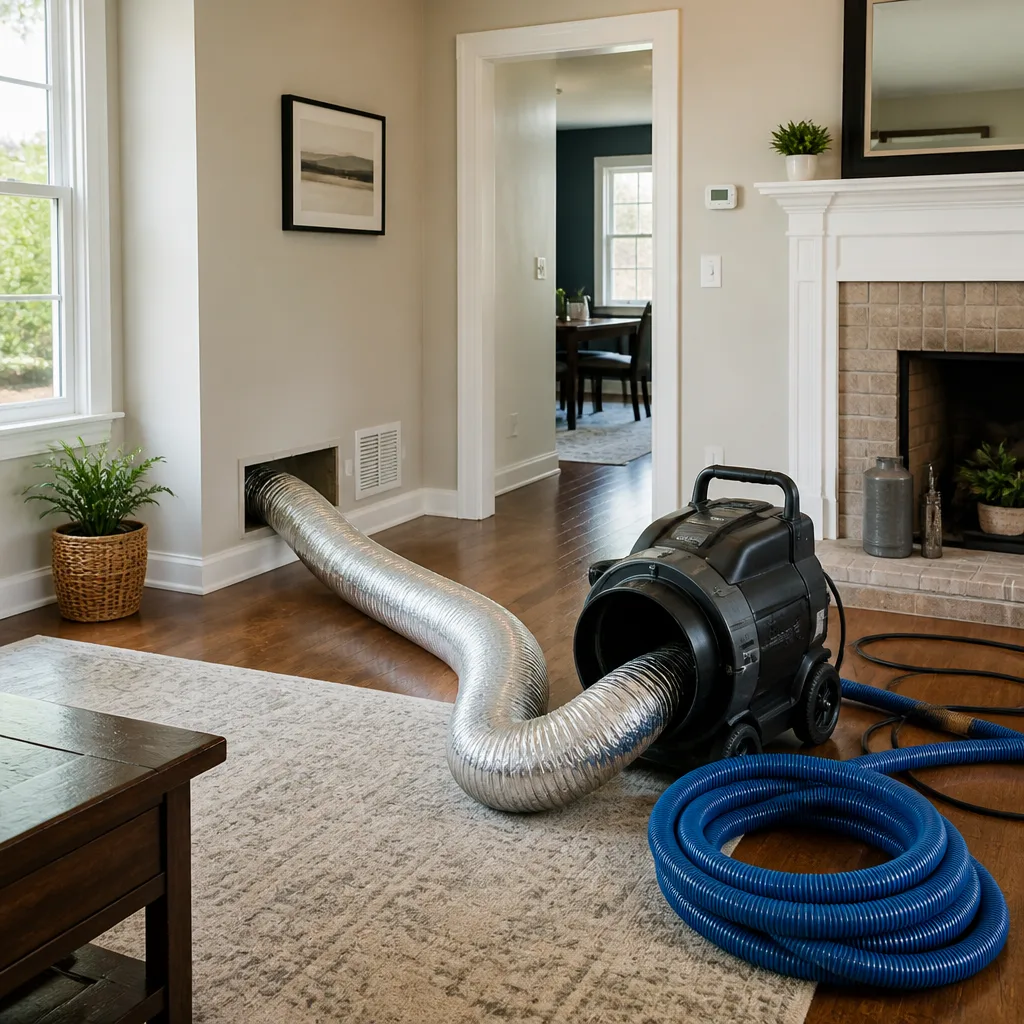 Whole-home duct cleaning
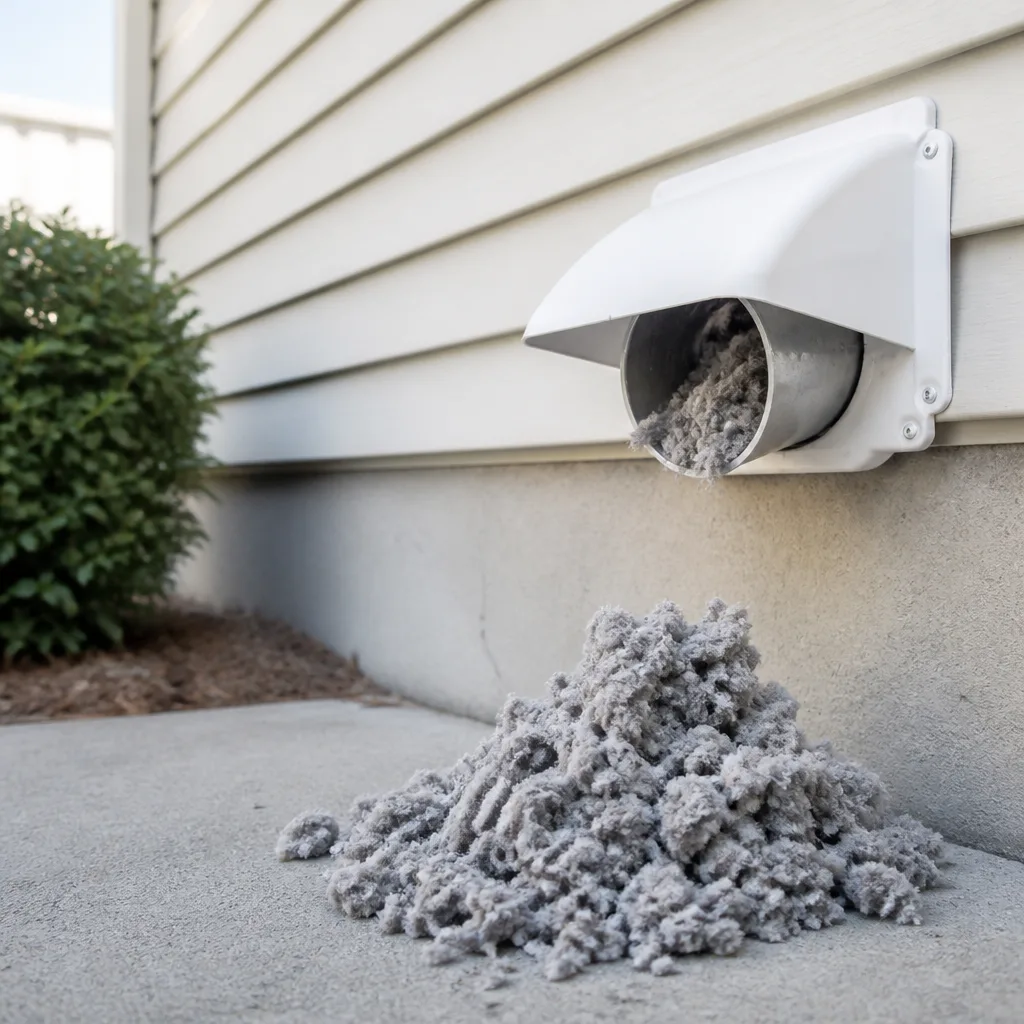 Dryer vent cleaning
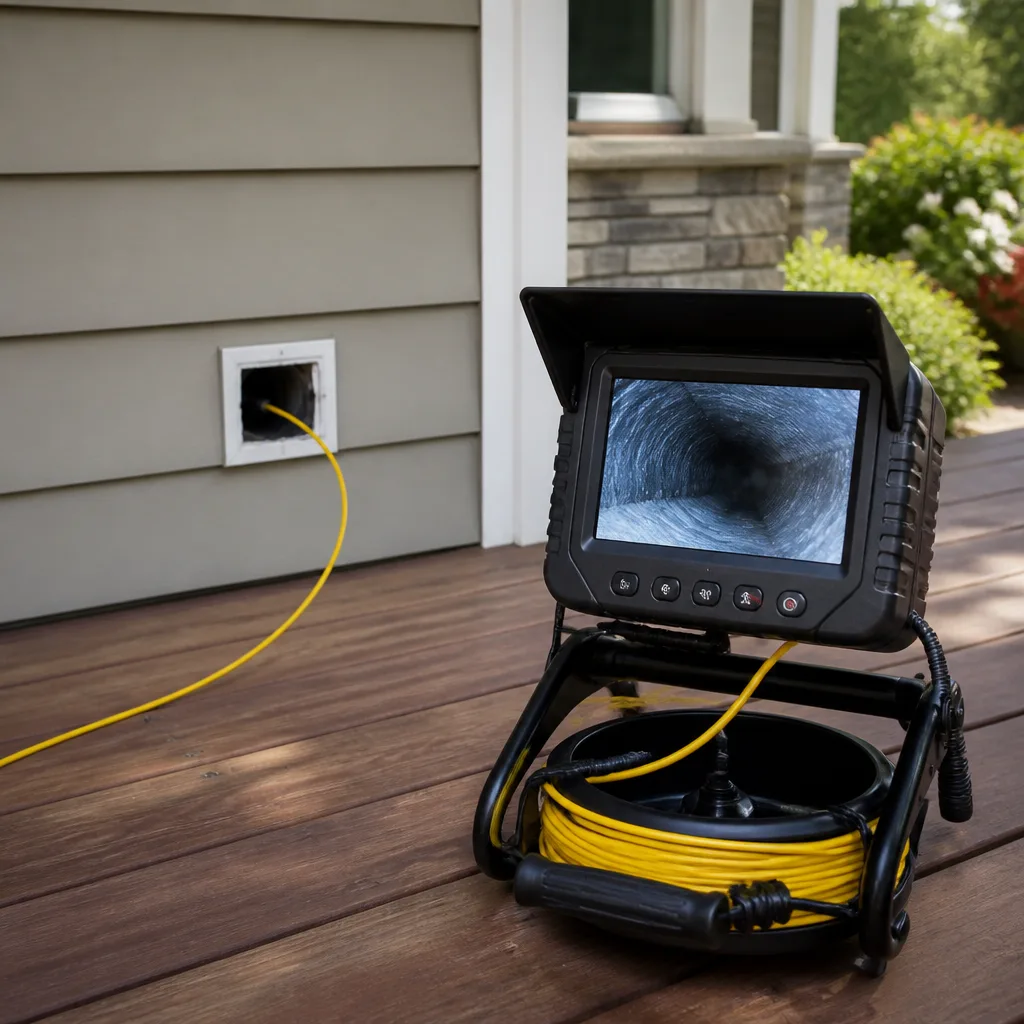 Camera inspection
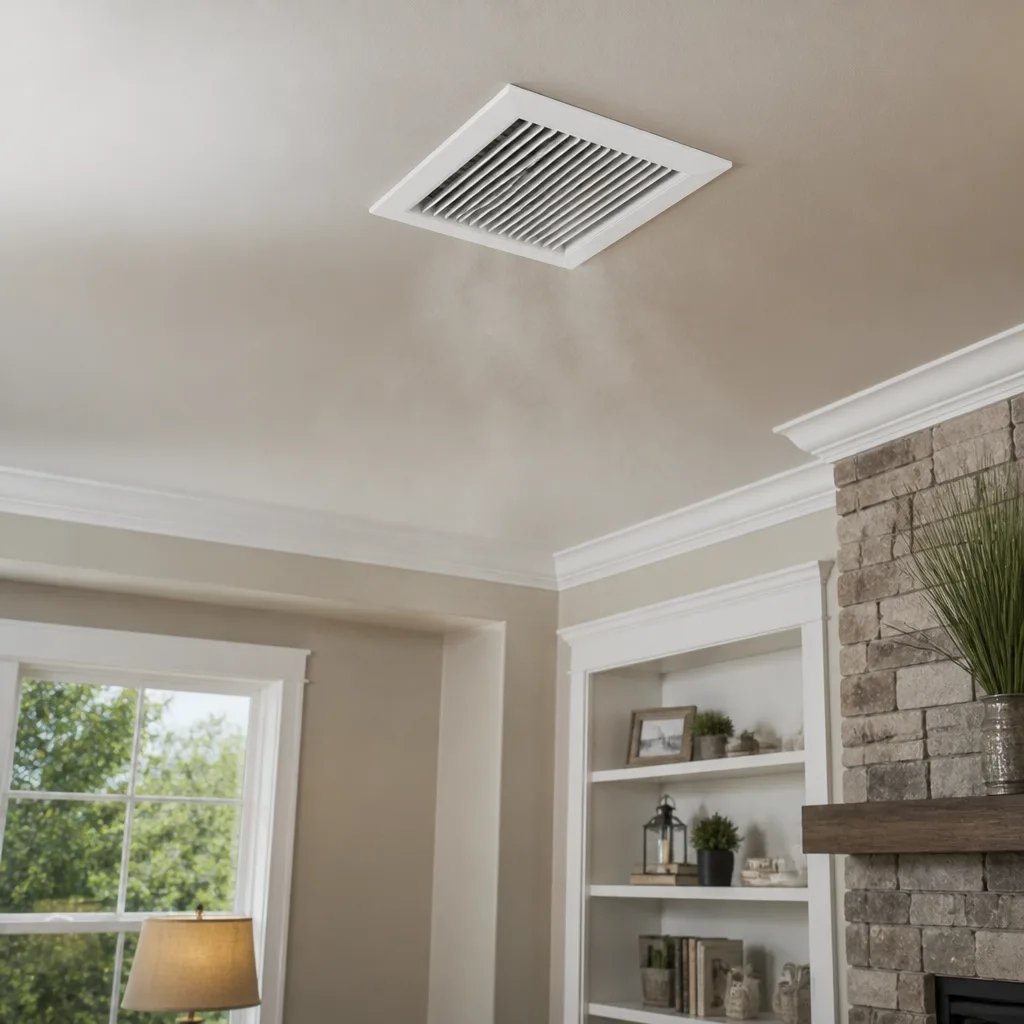 Sanitizing & deodorizing
Whole-system duct and dryer vent check with before-and-after photos - you see exactly what came out of your vents
That "$99 whole-house special" is a bait ad - the real number appears once they are in your hallway, or the "clean" is a shop-vac at the register. We photograph the inside of your ducts before and after instead.
Air Duct Cleaning Cost Breakdown: The Lakewood Homeowner’s Reference for 2026
Three quotes for duct cleaning land in a Lakewood homeowner’s inbox, and they differ by hundreds of dollars. The natural assumption is that one contractor is gouging and another is hungry. The real reason is stranger: the three quotes are describing three completely different scopes of work using identical language. “Whole-house duct cleaning” can mean a technician waving a shop vac at six registers, or it can mean a documented, negative-air HEPA job with brush agitation and before-and-after photos of every run. This guide takes the quote apart line by line so you can read what’s actually being sold, spot padding, and know what a fair total looks like in Lakewood for 2026.
Quick Answer
For a typical 1,800 to 2,400 sq ft Lakewood home with one HVAC system, expect a whole-system duct cleaning quote in roughly the $450 to $900 range in 2026, with most single-system homes landing between $550 and $750. That figure should cover every supply and return run, the plenum, the blower compartment, and a documented before-and-after record. Legitimate add-ons like dryer vent cleaning, sanitizing, and duct sealing sit on top of that base, priced separately and explained before work starts.
Styles & brands we work with
- Whole-home duct cleaning
- Dryer vent cleaning
- Camera inspection
- Sanitizing & deodorizing
Table of Contents
- Why Lakewood Duct Cleaning Quotes Land So Far Apart
- Flat-Rate Pricing vs. Per-Vent Pricing: Which Is Fairer?
- The Anatomy of a Duct Cleaning Quote, Line by Line
- Legitimate Add-Ons Worth Paying For, With Realistic Ranges
- Red-Flag Line Items That Inflate Invoices
- How Your Lakewood Home’s Size, Duct Material, and System Age Move the Price
- What a Fair 2026 Range Looks Like, and When to Ask Questions
- What the Work Itself Should Look Like, Step by Step
Why Lakewood Duct Cleaning Quotes Land So Far Apart
The biggest variable in duct cleaning pricing isn’t the market rate. It’s scope. Two companies can use the phrase “full duct cleaning” and mean entirely different things, and the gap between them is where the confusion lives.
At the low end, you get what the trade sometimes calls a “blow and go” job. A technician connects a consumer-grade vacuum to one or two registers, runs a whipping tool briefly through the main trunk line, and leaves. Branch runs to individual rooms are never touched. The blower compartment stays sealed. Nothing is documented. That scope has a low price because it’s a low-scope job, and the dust settles back into the branches within weeks.
At the high end, you get a full-scope job: negative-air containment running throughout, a rotary brush system agitating every run, a high-capture vacuum pulling material out rather than pushing it around, and a written record of what was found and removed. In Lakewood, where many homes sit on a mix of original 1950s-1970s construction and newer infill, the difference between these two scopes is dramatic because older duct systems often have decades of settled debris in the branch runs, not just the trunk.
Here’s what a scope comparison actually looks like:
- Low-scope job: main trunk only, no branch runs, consumer vacuum, no containment, no documentation.
- Mid-scope job: trunk plus accessible branch runs, professional vacuum, limited containment, verbal report.
- Full-scope job: every supply and return, plenum, blower compartment, negative-air containment, rotary brush agitation, high-capture vacuum, before-and-after photos.
That stair-step is why you can’t compare duct cleaning quotes by dollar figure alone. Compare the scope first. The number only means something once you know what’s being cleaned.
Flat-Rate Pricing vs. Per-Vent Pricing: Which Is Fairer?
There are two basic pricing models in the duct cleaning trade, and the model a company uses tells you something about how the invoice will behave once the technician is in your house.
Per-vent pricing
A per-vent price starts low to get you on the phone, then scales with every register. A “starting at” per-vent figure looks attractive until you count up the twenty-plus registers in a typical Lakewood home and realize the final number depends entirely on how many vents the technician decides to count. It also creates a strange incentive: the more vents on the invoice, the higher the total, whether or not every one needed the same level of attention.
Whole-system flat-rate pricing
A flat rate is quoted per system, not per register. You know the number before anyone arrives, and it doesn’t shift based on a register count done on the day. For most Lakewood homes (single HVAC system, twenty-ish registers), flat rate is structurally more transparent because the incentive lines up: the company’s job is to clean the whole system properly, not to maximize the vent count on the invoice.
We price per system, flat, agreed in writing before work starts. That’s not a marketing line, it’s structurally harder to pad. There’s no per-vent multiplier to inflate and no access-fee line item waiting at the end. When we quote a Lakewood home, the number you see is the number you pay, and if we find something that genuinely needs extra work (a torn flex run, a disconnected joint), we tell you before touching it and quote that separately.
The practical takeaway: if a quote is built on a per-vent figure, ask the company to convert it to a whole-system price for your specific house before you agree. If they can’t or won’t, that tells you what the invoice will look like.
The Anatomy of a Duct Cleaning Quote, Line by Line
A well-built quote should be readable. You should be able to see, at a glance, what’s included in the base price and what’s being added on. Here’s the structure a fair quote usually follows.
- Base whole-system cleaning. All supply runs, all return runs, the main plenum, the trunk lines, and the blower compartment. This is the core of the invoice and typically runs 60 to 75 percent of the total.
- Equipment disclosure. What kind of vacuum and agitation tool is being used. Professional-grade rotary brush systems and high-capture HEPA vacuums sit in a different cost tier than consumer equipment, and the quote should say which it uses.
- Containment and filtration. Negative-air setup with HEPA filtration to keep disturbed dust out of your living space during the job. This is standard in remediation work and should be standard here.
- Documentation. Before-and-after photos of the runs, a written summary of what was found and removed, and a register-by-register record if you want one.
- Add-ons, priced separately. Dryer vent cleaning, sanitizer application, duct sealing, coil cleaning. Each should carry its own line and its own justification.
- Written estimate and scope agreement. The final number, signed off before work starts, with any photos or access notes about your specific system.
A quote that skips straight from “total” to a handshake, with none of the above broken out, is a quote you can’t actually evaluate. Ask for the breakdown. A company that does honest work will have no trouble producing it.
One more thing worth understanding about what “cleaning” means at the equipment level. Consumer shop vacuums and light-duty cleaners remove surface dust. Professional systems built for high-capture work pull the heavier particulate that’s settled into the duct walls and joints over years. That’s why we run Rotobrush rotary brush systems alongside Nikro high-capture units, and why the resulting debris load in a Lakewood home often surprises the homeowner when they see the before-and-after photos.
Legitimate Add-Ons Worth Paying For, With Realistic Ranges
Add-ons are where honest quotes and padded quotes diverge most sharply. A legitimate add-on has a real, explainable cost behind it. Padding is a line item with a scary word and no underlying work. Here’s how to tell them apart, with typical 2026 ranges for each.
- Dryer vent cleaning (typical $125 to $225). A dedicated service, separate from the HVAC ducts, and one of the genuinely important ones. Lint buildup in a dryer vent is a leading cause of residential fires, and the vent run is often long and hidden in a Lakewood home’s wall cavity. Covered as part of our dryer vent cleaning service, priced on its own because it’s real, separate work.
- Sanitizer application (typical $100 to $200). Applied after cleaning, not instead of it. Makes sense when there’s visible microbial growth, smoke odor, pet odor, or post-rodent activity. Makes no sense as an automatic add-on on every job; if a company pushes it before looking at your system, that’s a red flag.
- Duct sealing (typical $400 to $1,200, depending on scope). Sealing and repair address the root cause of energy loss and recontamination. If your ducts are leaking into unconditioned space, cleaning them without sealing them means you’ll be doing it again sooner. This is one of the more legitimate upsells in the trade, and we offer it as a named service precisely because it changes the long-term math. If you’re combining this with a full air duct cleaning, the two jobs pair naturally.
- Coil cleaning (typical $150 to $350). The evaporator coil and blower assembly collect the same dust the ducts do. Cleaning the ducts without touching the coil is like washing the pipes and leaving the filter clogged. Reasonable to include when the coil is genuinely dirty, which is often.
What these four have in common: each one has a verifiable cost, a visible outcome, and a reason tied to your specific system. If an add-on can’t be explained that way, it belongs in the next section.
Red-Flag Line Items That Inflate Invoices
Some line items exist purely to raise the total. They sound technical and they carry a price, but they don’t correspond to work you can see or verify. Here’s what to watch for.
- Vague “system decontamination” fees. Naming something decontamination without specifying what’s being removed, with what equipment, and how it’s documented is a way to charge for cleaning that was already part of the base scope. Ask what the base scope actually covers before you agree to an add-on that duplicates it.
- Per-pound mold treatment charges. Mold is not priced by weight in any legitimate duct cleaning scope. This line item is a way to build in an open-ended charge with no ceiling. Real mold remediation is scoped on inspection, not on a scale.
- “Access cut” fees on accessible systems. A genuine access cut is a real, sometimes-necessary job: cutting a small service panel into a duct so the technician can reach a section that has no register nearby, then sealing it back. On accessible systems, that work isn’t needed and shouldn’t be billed. If you’re charged an access fee, ask where the cut was made and get a photo.
- Per-vent surcharges on the same system. Once the system-level cleaning is priced, additional per-register charges on the same system are usually padding, not scope.
- Pricing “activation” fees or “pre-treatment” fees. If a company needs to charge to begin work it already quoted, the quote wasn’t the quote.
The pattern across all five: they add price without adding verifiable work. Every legitimate line item on a duct cleaning invoice should have an answer to the question “what will I be able to see or hold at the end of this?” If there’s no answer, don’t pay for it.
How Your Lakewood Home’s Size, Duct Material, and System Age Move the Price
Two Lakewood homes on the same street can quote $200 apart, and the difference is usually architectural, not arbitrary. Three variables do most of the moving.
Home size and register count
Bigger homes mean more duct, more branch runs, and more time. A 1,800 sq ft home with a single system and a compact layout sits at the low end of the range. A 2,400 sq ft home with a split-level layout and a longer trunk run toward a rear addition sits higher. Two HVAC systems (common in larger Lakewood homes, and increasingly common in homes that added a finished basement or second story) double the scope, but they don’t double the price; the second system usually runs at a discount to the first because setup time is shared.
Duct material
Duct material affects both the cleaning approach and the realistic time on site.
- Sheet metal ducts respond well to rotary brush agitation and are the fastest material to clean thoroughly. Common in older Lakewood homes and generally the most straightforward.
- Flex duct requires gentler agitation because the inner liner can tear if handled roughly. More care, more time. Common in retrofits and additions.
- Fiberboard (duct board) is the trickiest. The material itself can be damaged by aggressive brushing, and if the board is deteriorating, cleaning can release fibers rather than remove debris. A technician should look at the fiberboard condition before quoting, and sometimes the honest answer is that cleaning won’t help and replacement in a section is the better move.
System age and contamination level
An older system with more accumulated debris takes longer to clean than one that’s been serviced recently. In Lakewood’s mix of mid-century housing and newer construction, older systems are often the ones where the branch runs have real buildup, not just the trunk. That’s not a reason to charge more on principle; it’s a reason the written estimate should be built on what the technician actually sees at your house, not on a phone-book standard rate.
If your system has a mix of materials (metal trunk, flex branches, a fiberboard section in a finished basement), tell the company up front. It affects both equipment choice and time.
What a Fair 2026 Range Looks Like, and When to Ask Questions
Here’s the reference point most Lakewood homeowners actually want: a fair 2026 range for a standard job, and a clear signal for when a quote falls too far outside it to trust.
- 1,800 to 2,400 sq ft, single HVAC system, metal and flex duct mix: around $550 to $750 for a full-scope job including dryer vent.
- Larger home or two-system home: around $750 to $1,200.
- Base cleaning only, no add-ons, one system: around $450 to $650.
That’s the middle of the market for a job done at full scope. A quote far below that floor is a scope question, not a savings opportunity: at that price, something inside the scope is being cut. A quote far above the ceiling warrants a conversation about what specifically justifies the number. A legitimate high quote will have a real reason behind it (a second system, fiberboard that needs careful handling, a heavy-contamination situation, a duct repair bundled in). If it doesn’t have one, keep asking.
Two things should always accompany the written estimate on a job in this range: a confirmation that the local pro is licensed and insured as their state requires, and a clear statement that the price is agreed before any work starts. If either is missing, the quote isn’t finished.
What the Work Itself Should Look Like, Step by Step
Understanding the process tells you what you’re paying for, and it gives you a way to check whether the job went as described. Here’s how a full-scope cleaning should run in a Lakewood home.
- Assessment. A walkthrough of the system to map register locations, identify duct material, check for leaks or disconnected joints, and photograph the current condition.
- Setup and containment. Negative-air equipment with HEPA filtration positioned to capture what’s disturbed during cleaning, so it doesn’t end up in your living space. Abatement-grade filtration is the standard here, and it’s what we use.
- Agitation. Rotary brush systems working through the trunk lines and branch runs, loosening the bonded material that a vacuum alone won’t lift.
- High-capture vacuum pull. Dislodged material pulled out of the system rather than pushed through it, through professional-grade cleaning units built for this purpose.
- Blower and coil check. The blower compartment and evaporator coil inspected and cleaned as warranted.
- Post-clean documentation. Before-and-after photos, a written summary of what was removed, and any findings that need follow-up (a torn flex run, a leaky joint, a section needing replacement).
- Sanitizing, when appropriate. Applied after cleaning, not instead of it, and only when there’s a reason.
Notice what’s covered along the way: your ducts, your HVAC cleaning, and your air quality in one relationship. If you’re looking for a full picture, the Lakewood Air Duct Cleaning Co team handles all four services together so you don’t need to source separate contractors for the duct cleaning, the dryer vent, the coil, and any air quality products afterward.
Common Mistakes to Avoid
- Comparing quotes by total price without comparing scope. A $350 quote for a “whole-house cleaning” and a $750 quote for the same phrase are rarely the same job. Ask each contractor to describe exactly what they clean and how they document it, then compare.
- Accepting a per-vent starting price as if it’s the final number. Per-vent quotes can look low on the phone and grow once the technician starts counting registers. Convert to a whole-system price for your house before agreeing.
- Buying mold treatment priced by the pound. This isn’t a legitimate way to scope duct work in any home. Real remediation is scoped on inspection, not on a scale.
- Skipping the dryer vent because it feels unrelated. It’s a separate system, but it’s one of the more genuinely important safety items in a Lakewood home, and it’s worth cleaning on the same visit rather than pushing it off.
- Cleaning without addressing leaks and disconnected joints. If the ducts leak into unconditioned space, cleaning them without sealing them means the debris comes right back. Duct repair and sealing are often the difference between a job that lasts and a job that doesn’t.
- Approving work before seeing the written estimate and scope. A verbal price on the day is not a written estimate. Get the number and the scope in writing, with the add-ons itemized separately, before any work begins.
- Assuming a newer home doesn’t need attention. Flex duct in newer construction can be a source of contamination too, sometimes more so when installed in a way that creates poor airflow and lets debris collect in low points.
See the difference
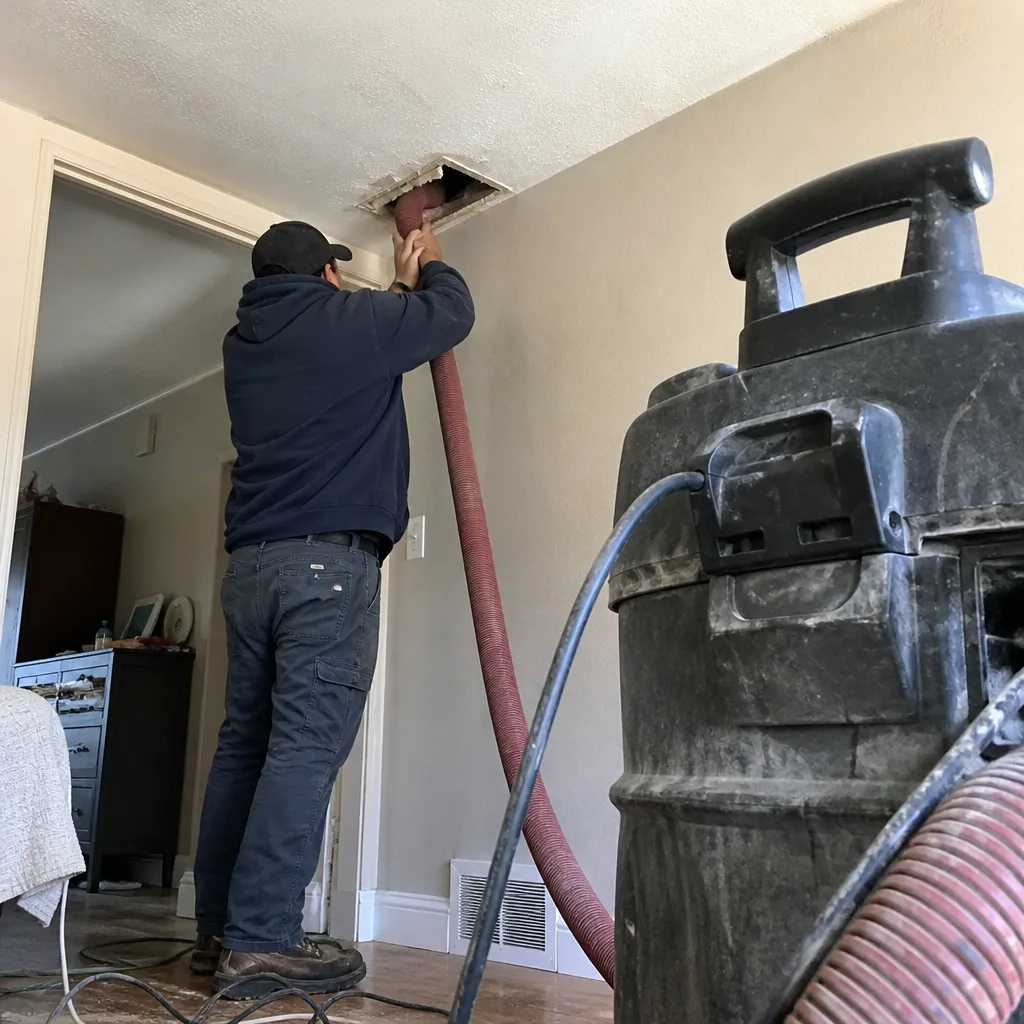 Before
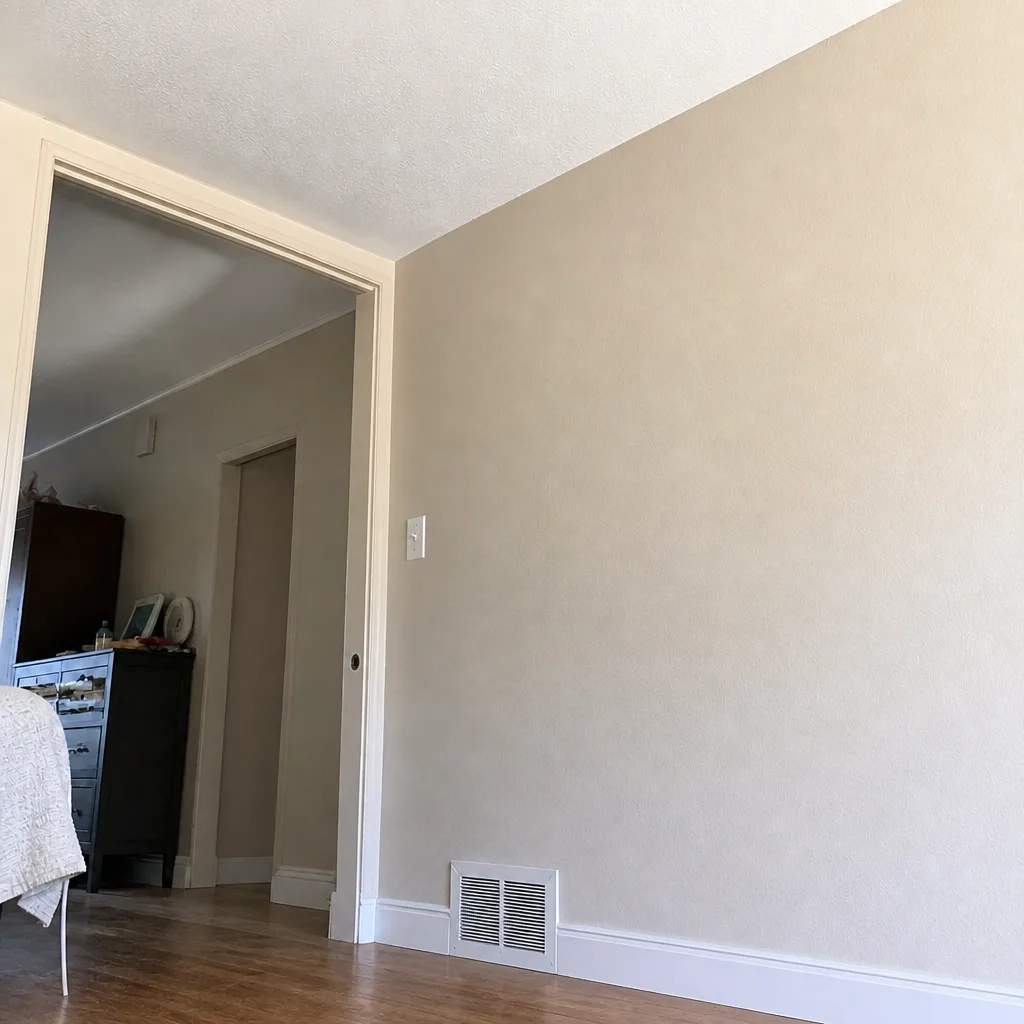 After
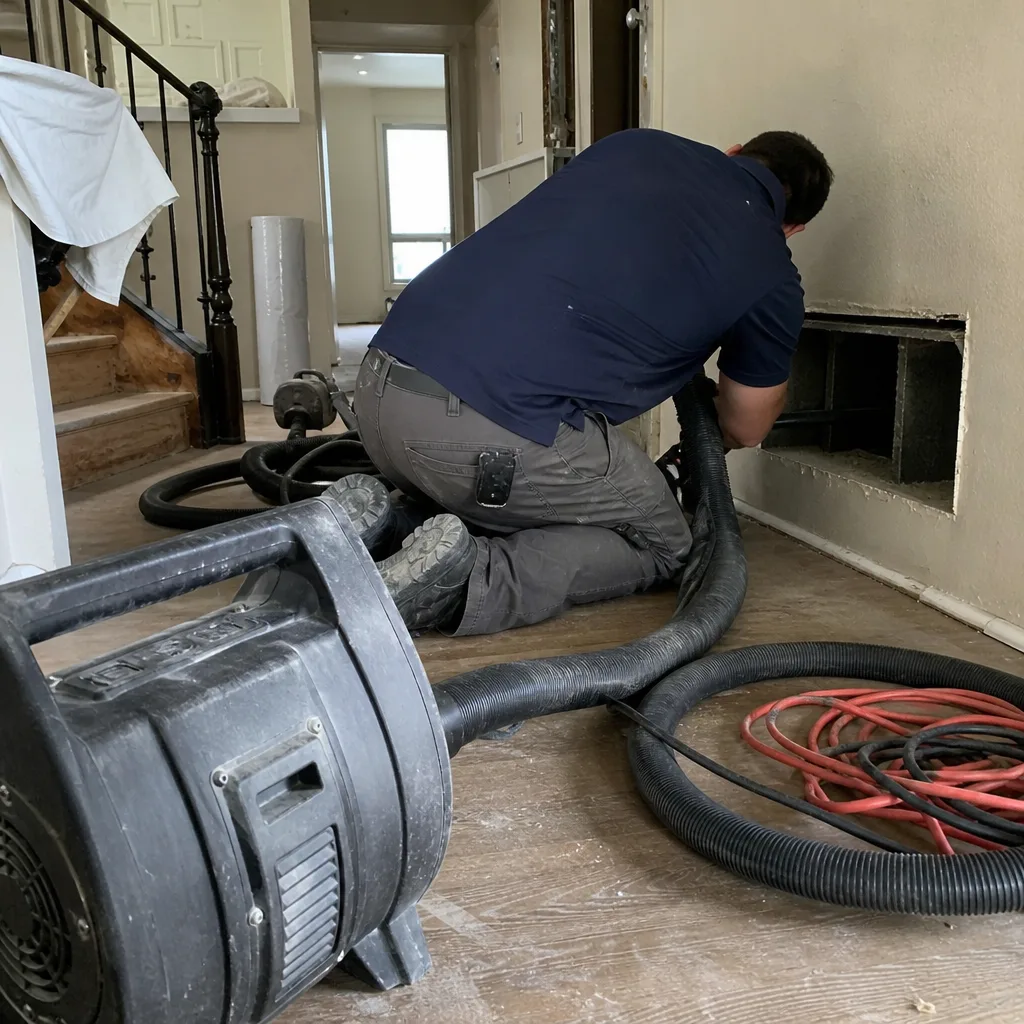 Before
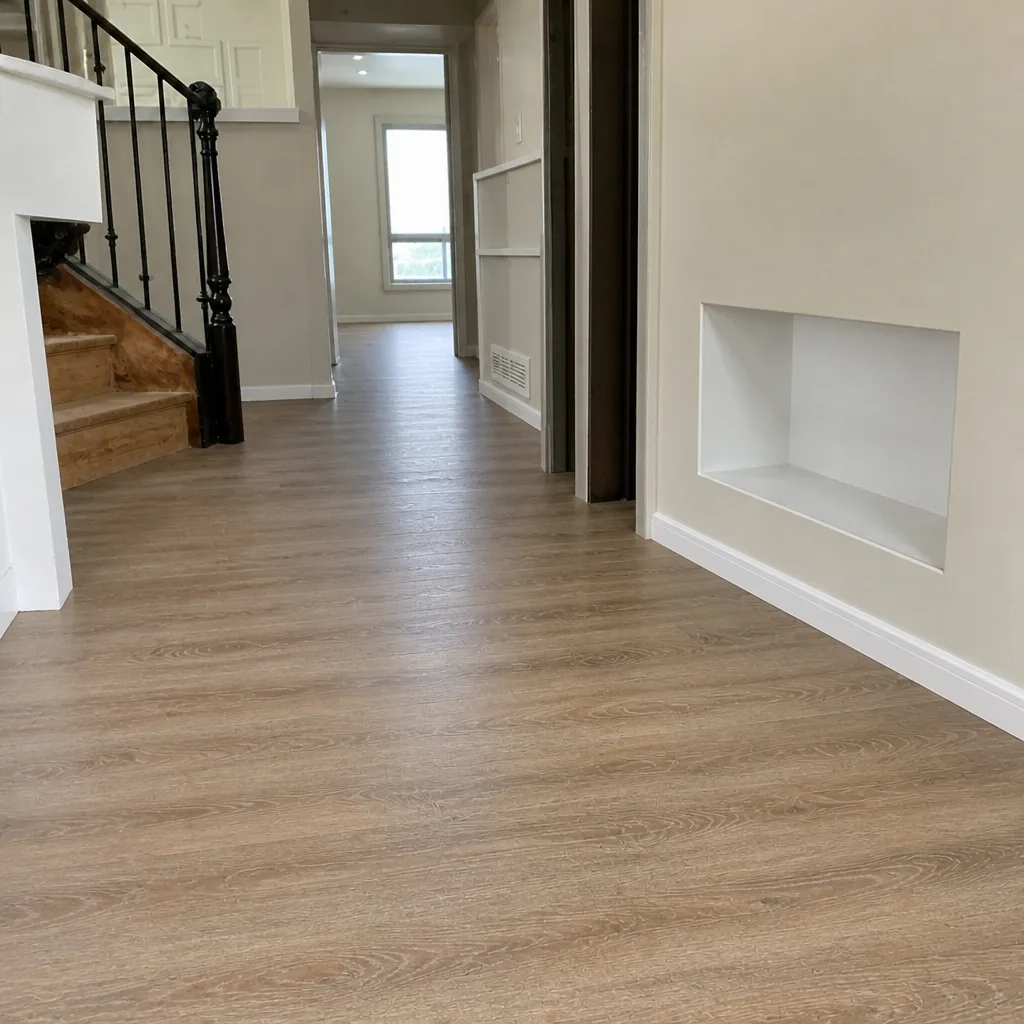 After
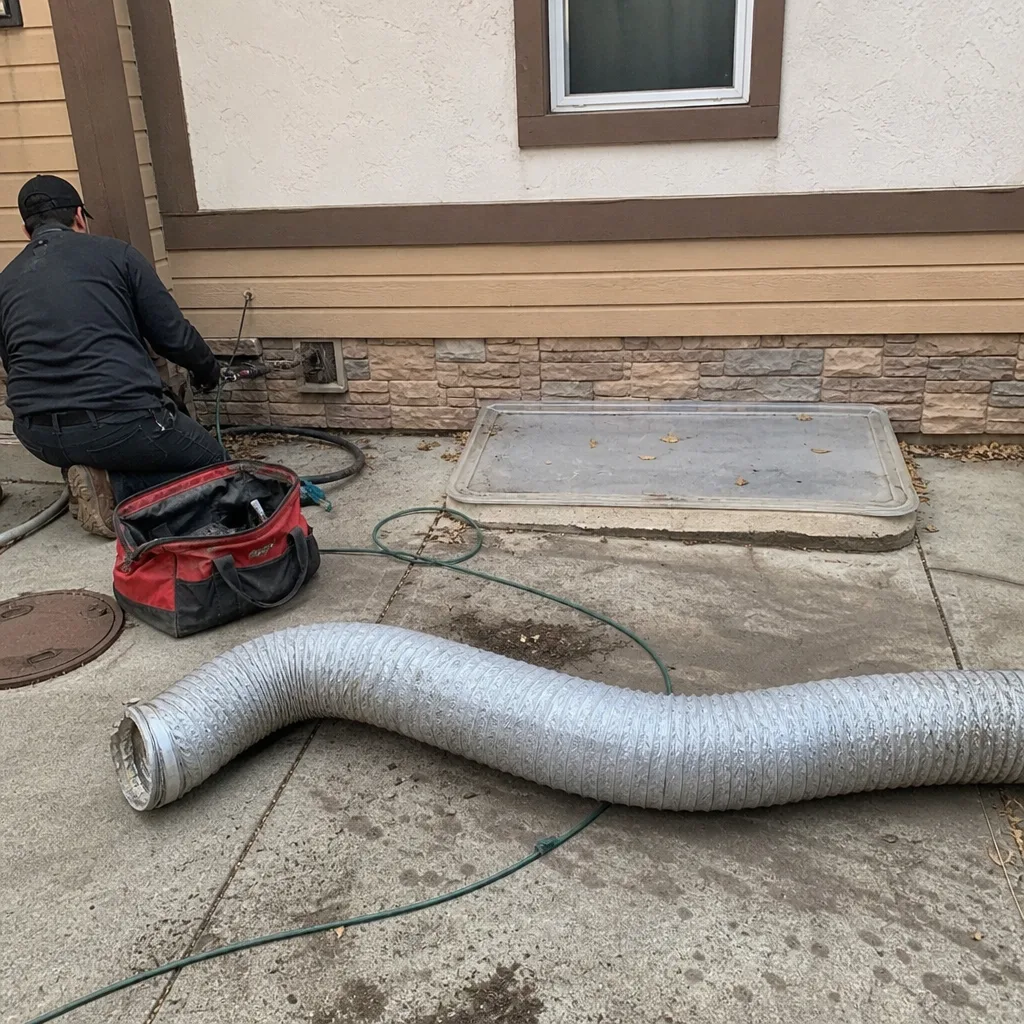 Before
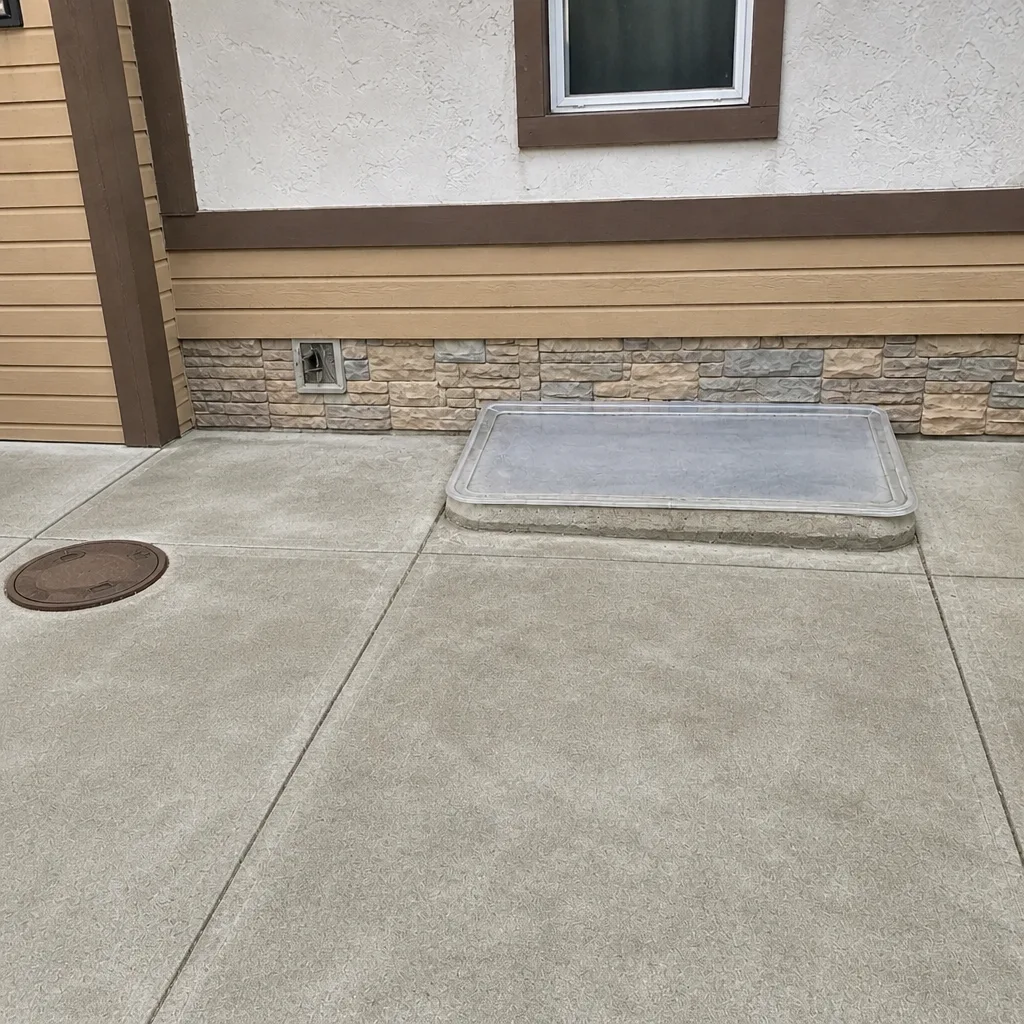 After
When to Call a Professional
Not every duct system needs service on a schedule. Some signs are worth a professional look. If you’re seeing visible dust puffing from registers when the system kicks on, or if the return grille is coated with a layer of dust that returns within weeks of cleaning, the system is telling you something. Persistent musty or stale odors, especially in a Lakewood home with a finished basement, often trace back to contamination in the ducts or the coil. Rising energy bills with no change in usage habits, uneven heating and cooling between rooms, or a noticeable uptick in dust on every surface are all worth diagnosing. Dryer vents that take longer than one cycle to dry a load are their own signal, separate from the HVAC system. Lakewood Air Duct Cleaning Co offers free estimates in Lakewood. Call (877) 820-8391. We answer 24/7. Fast dispatch from 7am to 7pm, Sunday through Friday.
Frequently Asked Questions
For a standard 1,800 to 2,400 sq ft Lakewood home with one HVAC system, expect a full-scope duct cleaning to run around $550 to $750 in 2026, with larger or two-system homes falling in the $750 to $1,200 range. Base cleaning without add-ons sits around $450 to $650. Call (877) 820-8391 for an exact quote; estimates are free.
Cheap quotes are usually cheaper because less of the system is being cleaned, not because the company is running a leaner business. A low-scope job that cleans the main trunk and skips the branch runs will always cost less than a full-scope job that cleans every run with professional equipment and documentation. Compare scope before comparing price. Call (877) 820-8391 for a written estimate with the scope itemized.
Insist on before-and-after photos of your own ducts, with the register locations identified. On a full-scope job, the photos should show the condition inside the runs before cleaning and again afterward, plus a written summary of what was removed and any issues found. If a company can’t produce that, ask why. Call (877) 820-8391 to schedule a job that comes with documentation.
Most Lakewood homes don’t need duct cleaning on a fixed schedule. Every three to five years is a reasonable guideline for homes with pets, recent renovations, or a family member with respiratory sensitivity. A home with no pets, no recent renovation, and clean registers can go considerably longer. If you’re seeing visible dust or smells between cleanings, that’s a better trigger than the calendar.
Often, yes. If your ducts leak into unconditioned space, cleaning without sealing means the dust comes back sooner, and you lose energy every time the system runs. Sealing and repair address the root cause. It’s worth having a technician assess the leak situation before deciding; if the ducts are tight, sealing isn’t necessary, and we’ll tell you that.
You can remove and clean the register covers, and that’s worth doing. What you can’t reach is the interior of the duct runs, the trunk, the plenum, and the blower compartment, and that’s where most of the accumulated debris sits. Register cleaning is a small, useful chore; duct cleaning is a separate, equipment-heavy job.
The Bottom Line
Duct cleaning pricing in Lakewood looks opaque for one structural reason: quotes use identical language for wildly different scopes of work. The counter to that is scope-first comparison. Ask each contractor what they clean, what equipment they use, and what documentation you’ll receive. A fair 2026 total for a standard single-system Lakewood home sits around $550 to $750 at full scope, with legitimate add-ons like dryer vent cleaning and duct sealing priced separately and justified line by line. Watch for the padding: vague decontamination fees, per-pound mold charges, and access fees on systems that don’t need access cuts. A flat price per system, agreed in writing before work starts, is the model that keeps the invoice honest.
Call (877) 820-8391 for a free estimate. We answer 24/7. Fast dispatch from 7am to 7pm, Sunday through Friday.
Written by the team at Lakewood Air Duct Cleaning Co.