
Last updated November 25, 2026
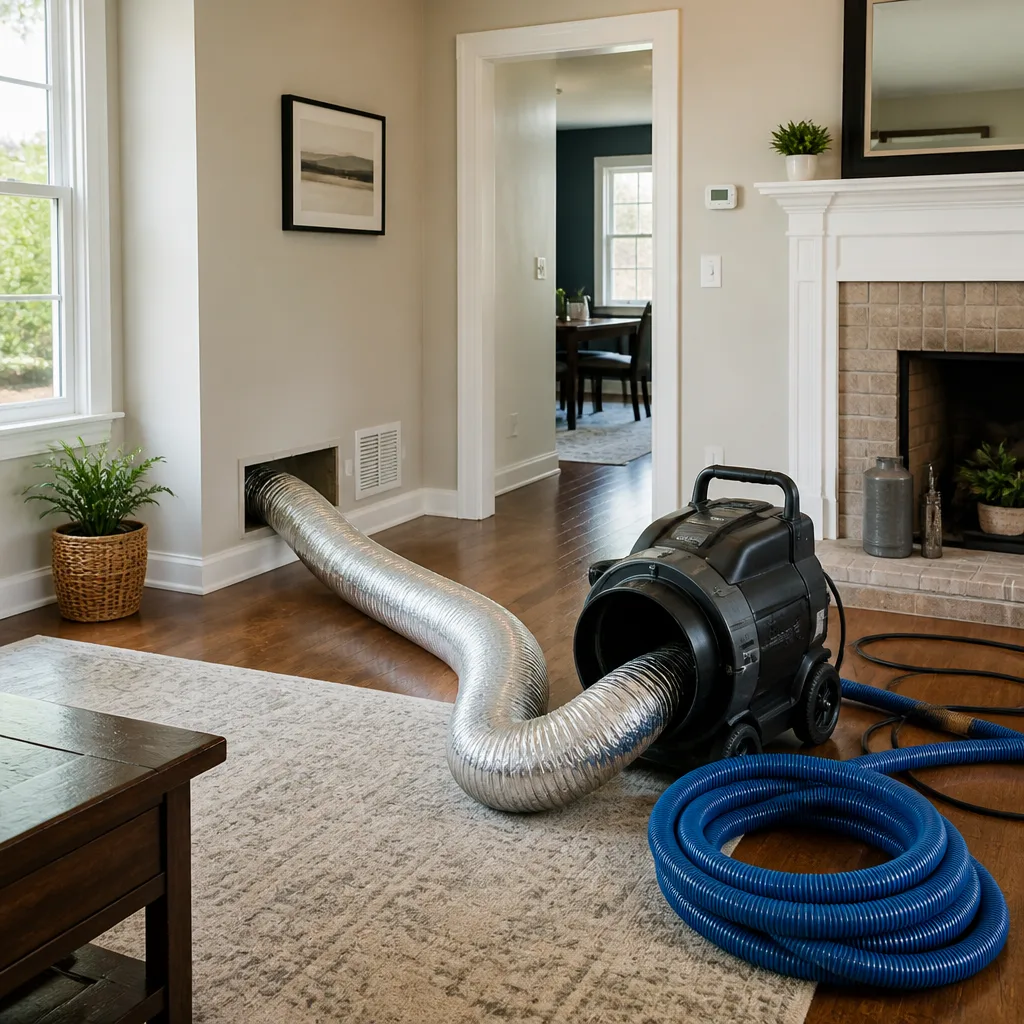 Whole-home duct cleaning
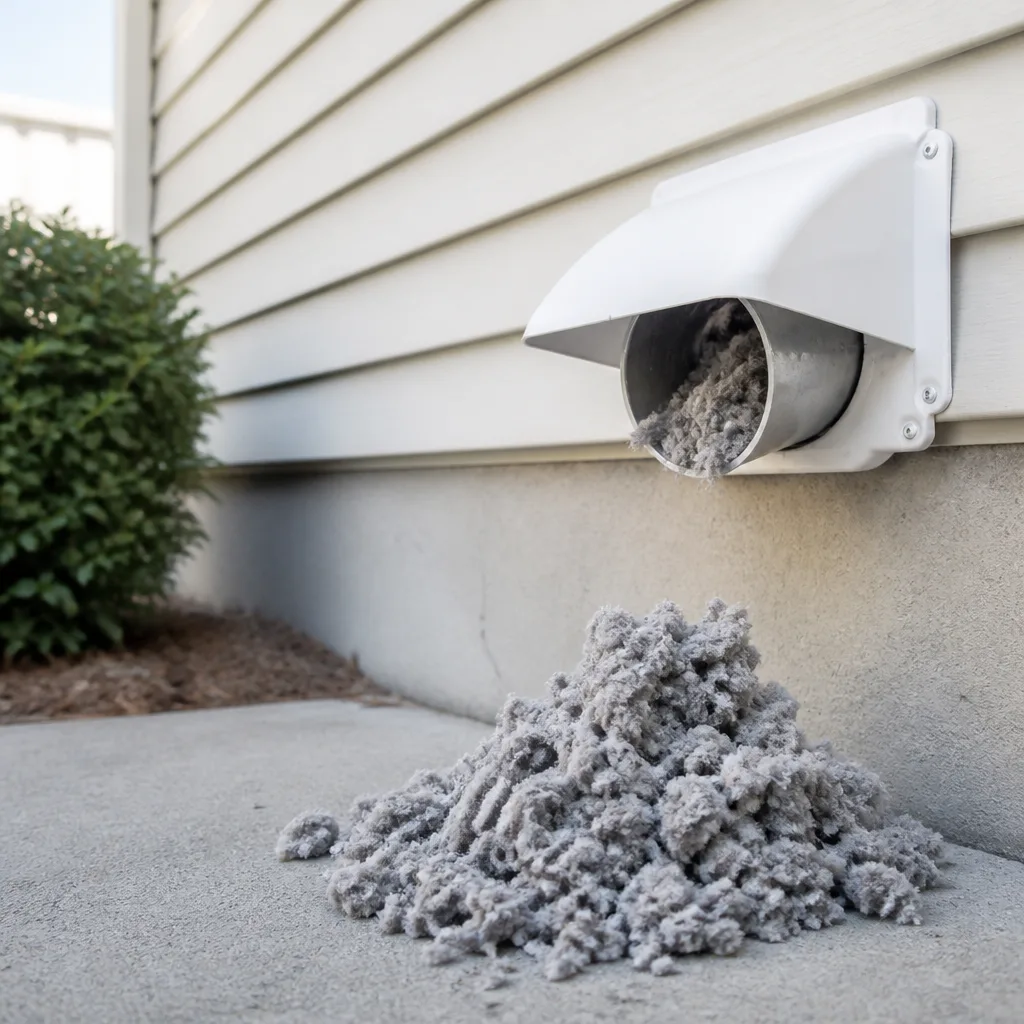 Dryer vent cleaning
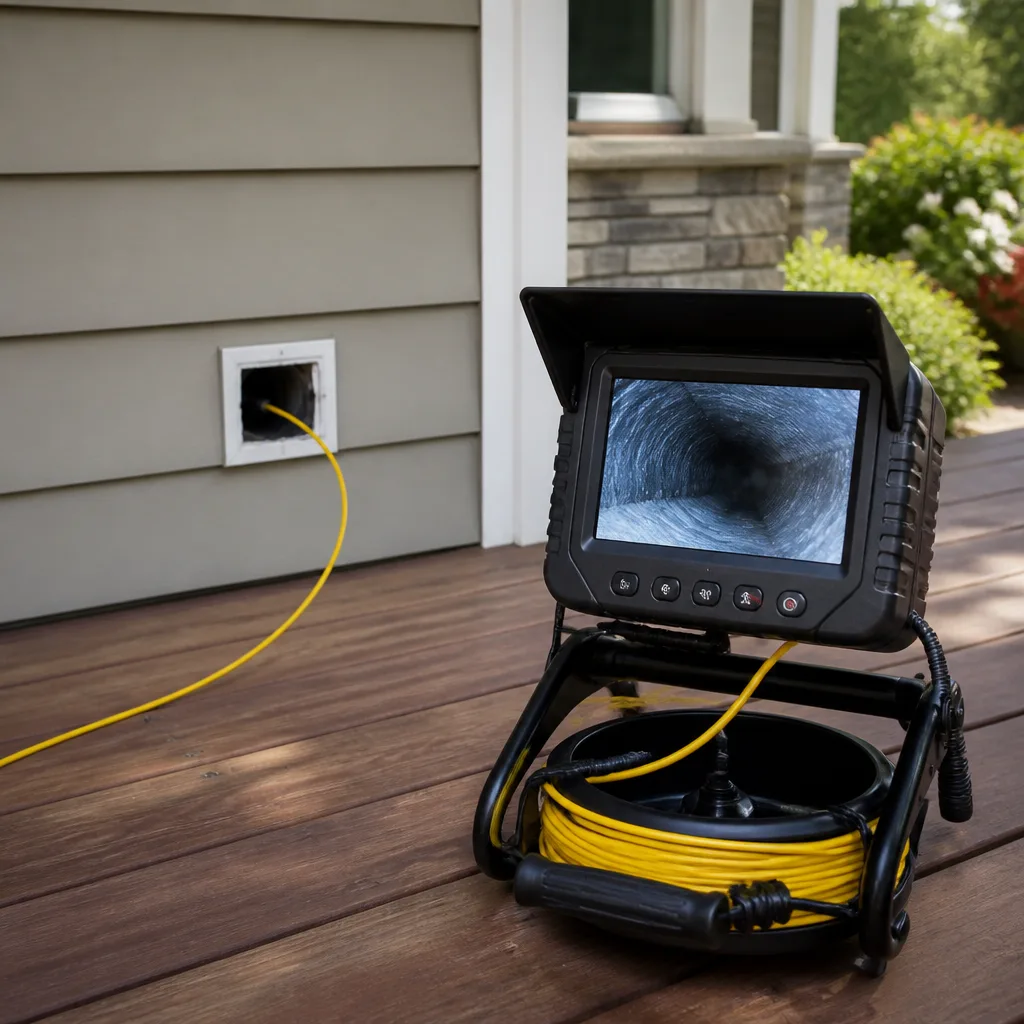 Camera inspection
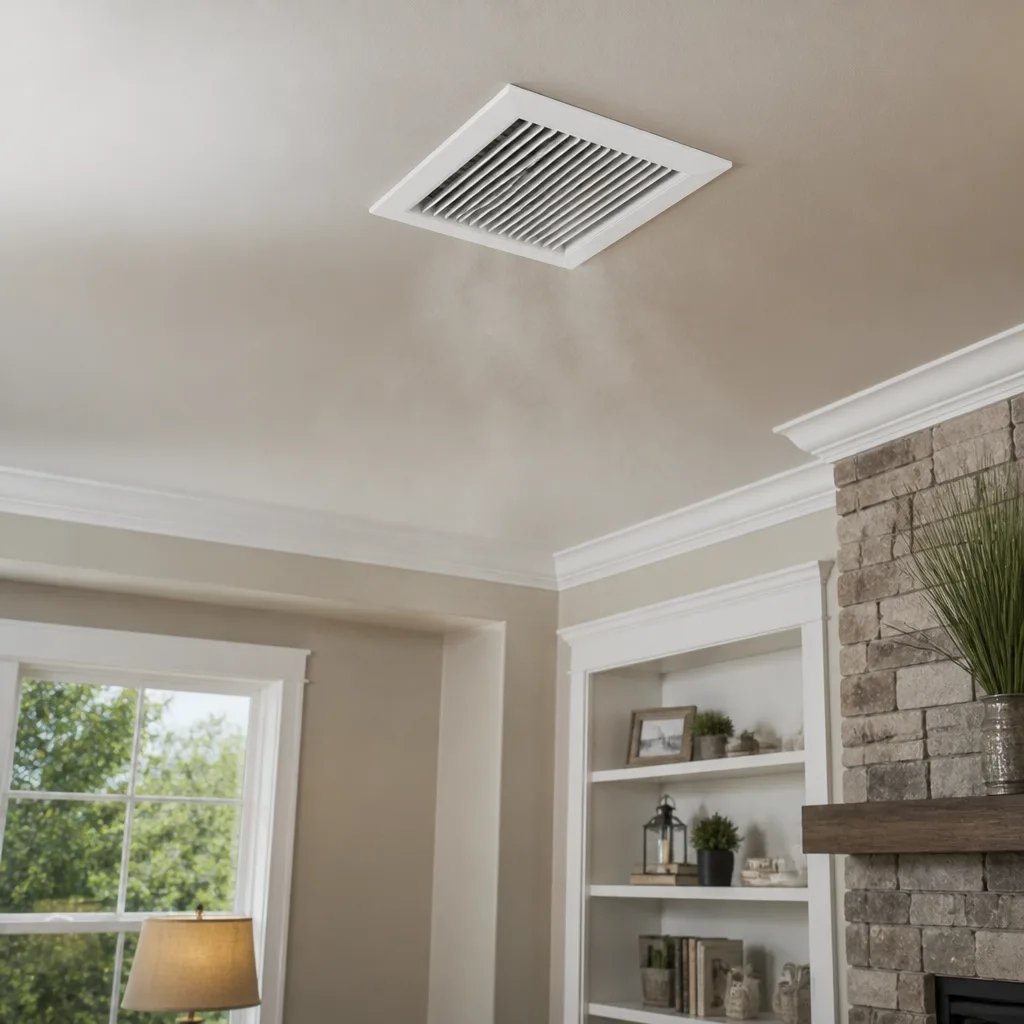 Sanitizing & deodorizing
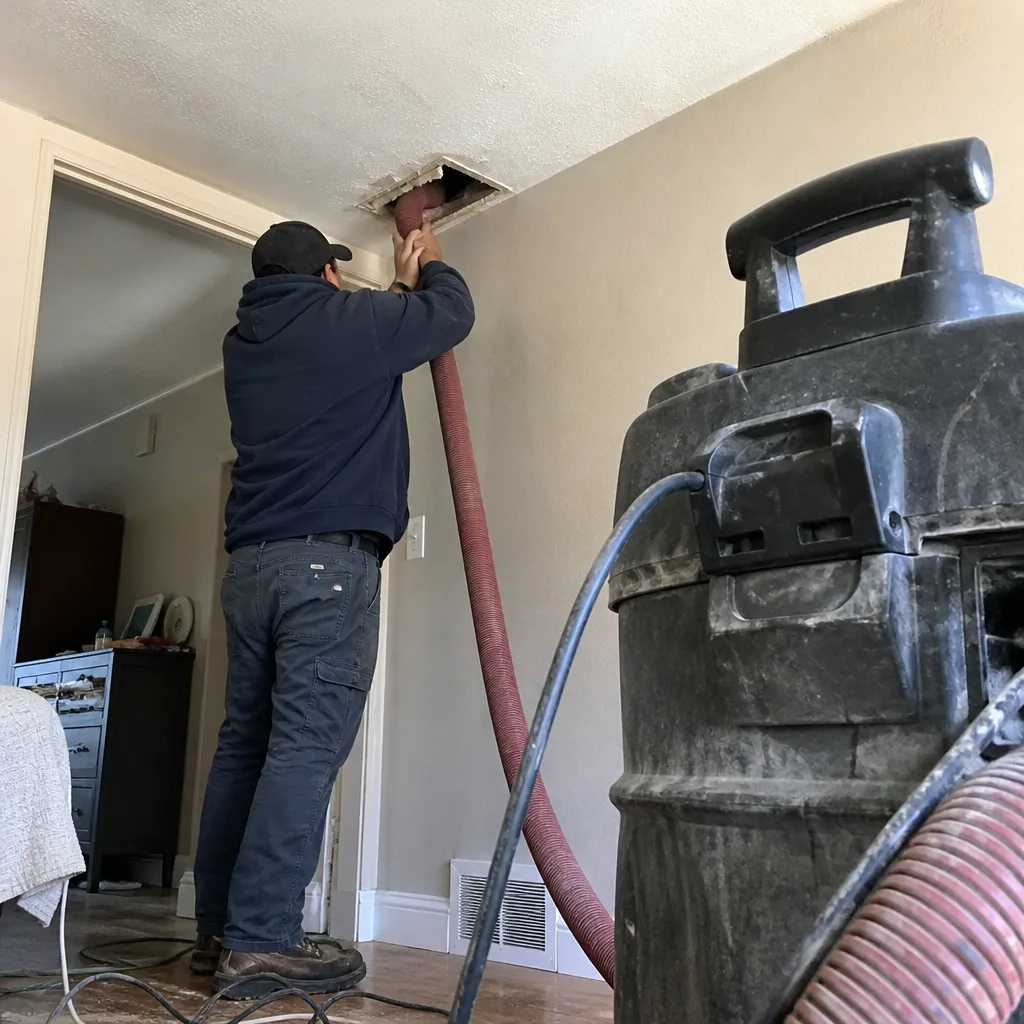
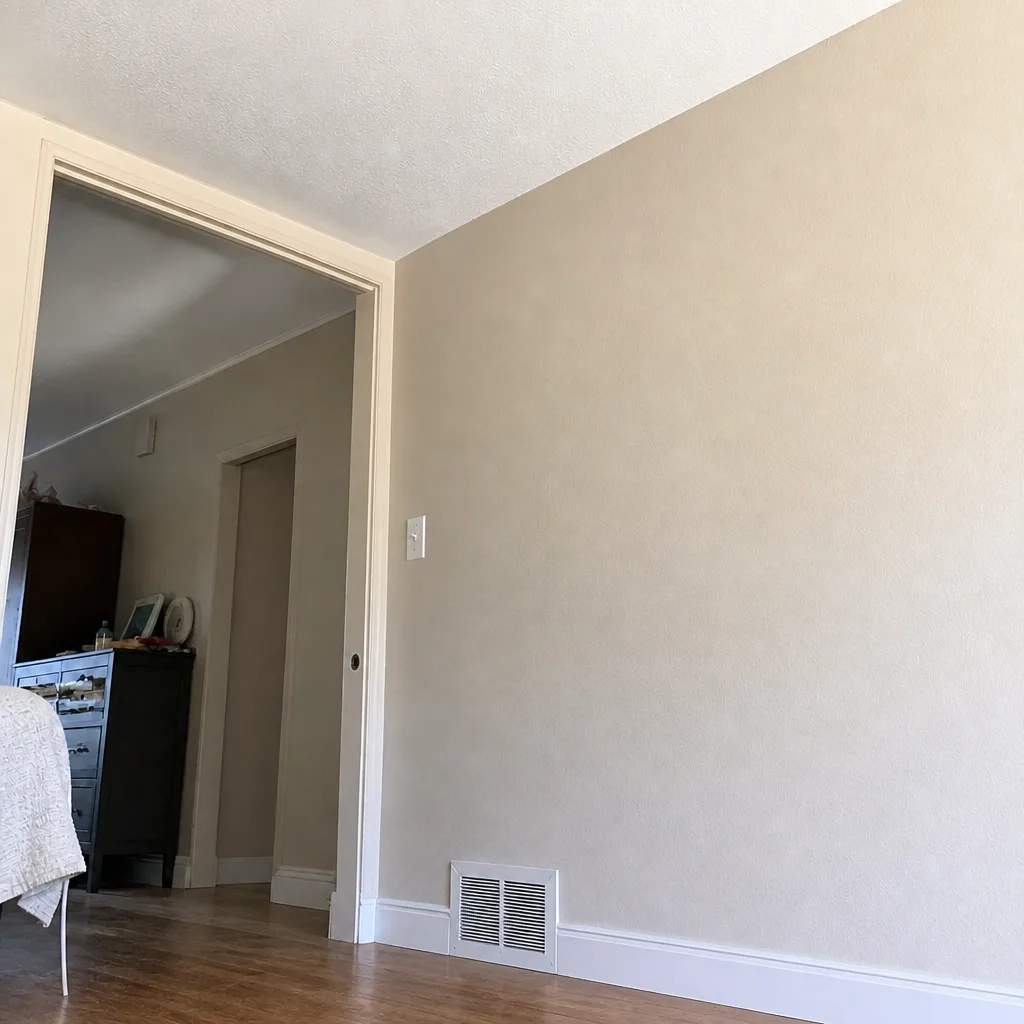
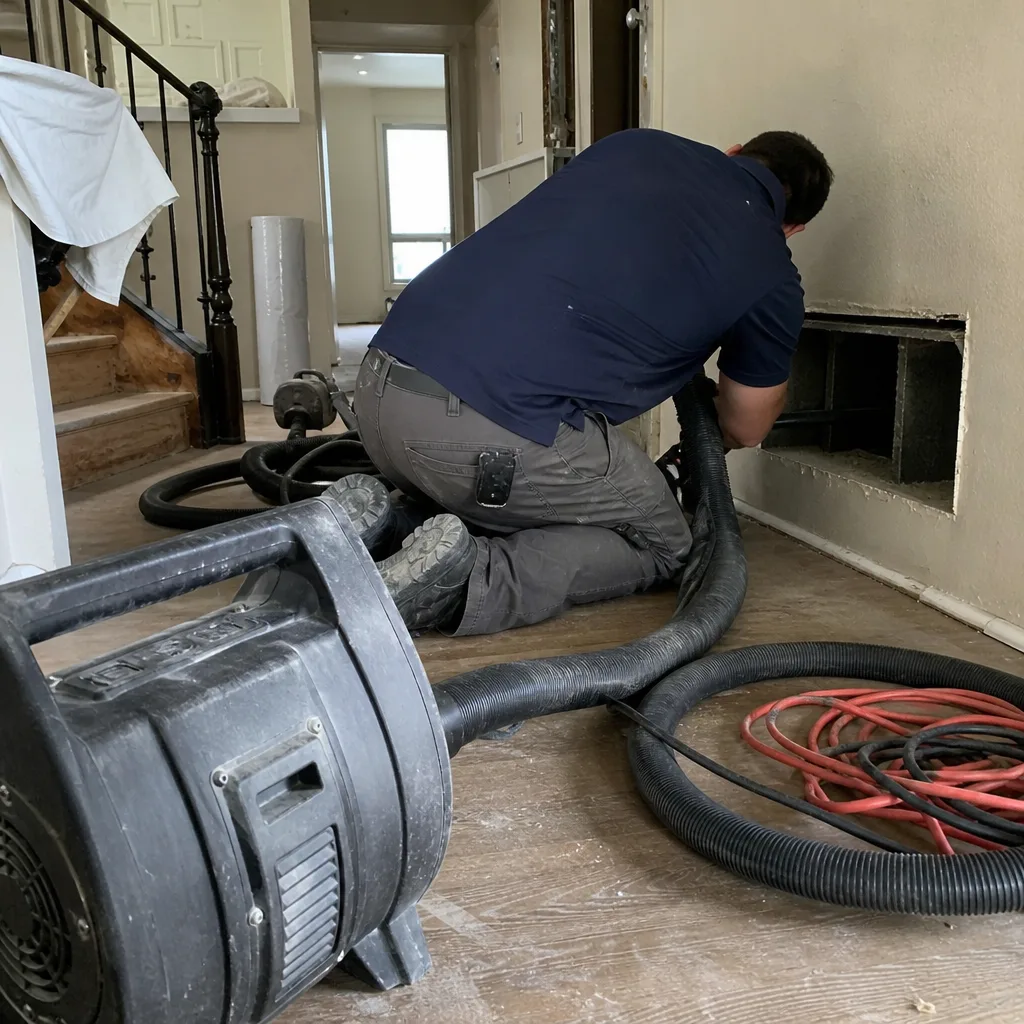
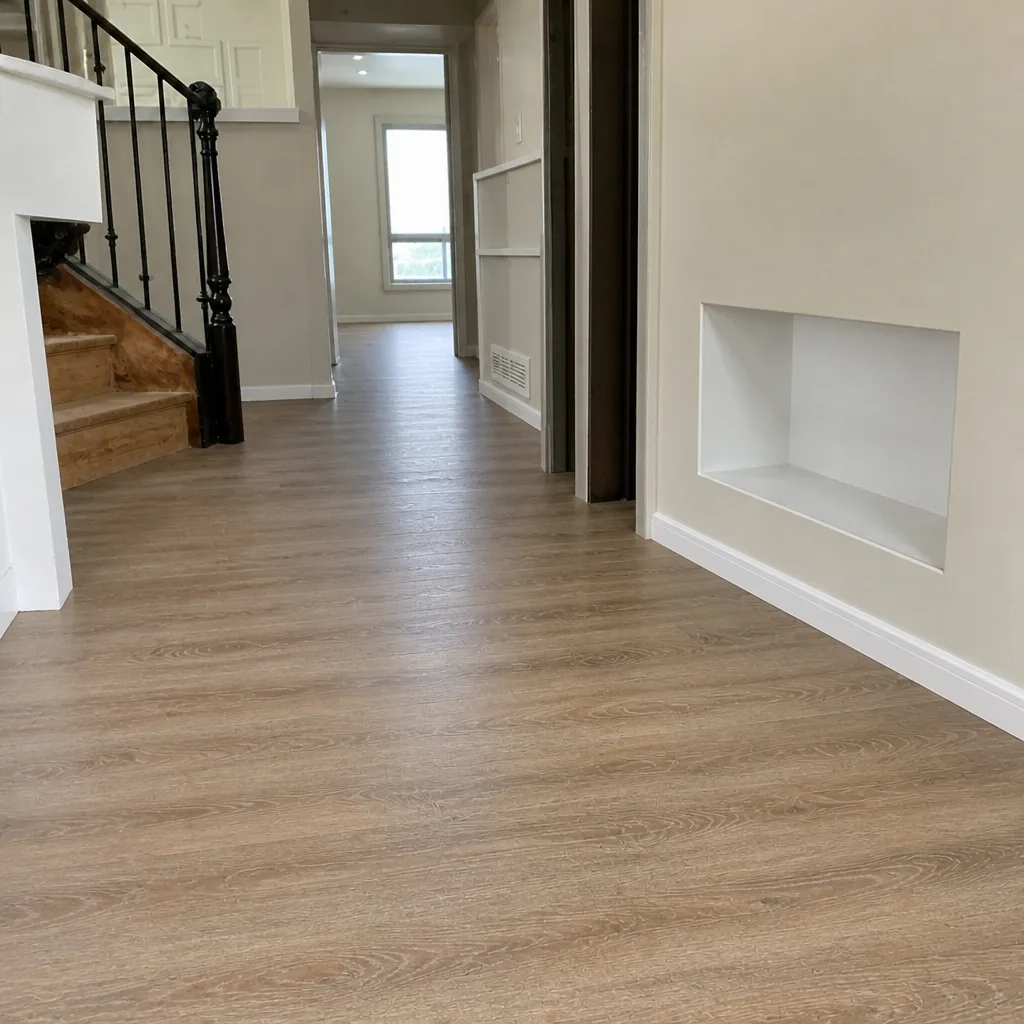
Whole-system duct and dryer vent check with before-and-after photos - you see exactly what came out of your vents
That "$99 whole-house special" is a bait ad - the real number appears once they are in your hallway, or the "clean" is a shop-vac at the register. We photograph the inside of your ducts before and after instead.
Air Duct Cleaning Permits, Codes & Inspections in Lakewood, CO: What You Need to Know
Here’s the part that surprises most homeowners: having your ducts cleaned usually requires no permit at all in Lakewood. But the repair that often turns up during a cleaning – a crushed flex run, a disconnected trunk, a sealed joint that failed – can absolutely require one. The line between routine maintenance and permitted mechanical work is thin, and it’s rarely explained upfront. When a technician finds a problem and fixes it quietly without ever mentioning the permit, you can end up with unpermitted work on your home’s record, and that can stall a sale or complicate an insurance claim years later. This guide walks through how the rules actually work in Lakewood: what needs a permit, what doesn’t, how to check whether work was done legally, and what to ask before anyone touches your system.
Quick Answer
Cleaning an air duct system in Lakewood generally does not require a permit, because it’s classified as maintenance rather than construction. Mechanical repairs, duct replacement, and changes to the layout or sizing of ductwork typically do require a mechanical permit, which in most of Lakewood is issued through Jefferson County’s building department. Simple sealing with mastic usually falls under maintenance; structural changes, or sealing systems tied to a mechanical alteration, may require a permit. Always ask the contractor whether their scope triggers a permit and verify it yourself before work begins.
Styles & brands we work with
- Whole-home duct cleaning
- Dryer vent cleaning
- Camera inspection
- Sanitizing & deodorizing
Table of Contents
- Cleaning vs. Repair: Where the Permit Line Actually Falls
- Does Duct Sealing Require a Permit in Lakewood?
- How to Verify a Contractor Pulled a Permit (Jefferson County Lookup)
- EPA Section 608 Certification: Why It Matters Near Duct Chases
- Unpermitted Work and Colorado Home Disclosure
- What Actually Gets Inspected, and When
- Why Lakewood’s Climate and Housing Stock Make This Matter
- Common Mistakes to Avoid
Cleaning vs. Repair: Where the Permit Line Actually Falls
Every duct job starts with a decision: is this maintenance, or is it construction? That single question determines whether the work needs a permit. The code system doesn’t treat all “duct work” the same way, and neither should you.
In general, the split runs like this:
| Type of Work | Permit Usually Required? | Why |
|---|---|---|
| Cleaning debris, dust, and biological buildup from existing ducts | No | Classification: maintenance, not construction |
| Sanitizing after cleaning | No | Follows cleaning; no change to system |
| Dryer vent cleaning | No | Maintenance |
| Reconnecting a single loose fitting with mastic or tape | Usually no | Maintenance-level repair |
| Replacing a section of damaged duct with same-size material | Sometimes | Depends on scope; often treated as repair, sometimes permitted |
| Replacing entire trunk lines or branch runs | Yes | Mechanical permit territory |
| Rerouting or resizing ductwork | Yes | Alteration of the mechanical system |
| Adding supply or return registers where none existed | Yes | New mechanical installation |
| Modifying the duct system to accommodate a new furnace or A/C | Yes | Mechanical system changes |
The nuance that catches people is that a small repair during a cleaning can look like maintenance but trigger permit requirements once the scope grows. A single re-taped joint: no permit. Cutting out and replacing three feet of collapsed duct on a main trunk: probably permit. When the scope shifts mid-job, a contractor should stop and tell you the permit requirement has changed. That’s the honest sequence. In our experience, the reputable crews lay out the scope before arriving, flag anything likely to cross the permit threshold, and give you a written estimate that clearly states whether a permit is included.
For a fuller look at what a professional cleaning actually covers and what it doesn’t, see our page on air duct cleaning.
Does Duct Sealing Require a Permit in Lakewood?
Sealing is the grayest area of the whole discussion, and it’s where Lakewood homeowners ask the most questions. The short answer: it depends on how the sealing is done and why.
There are three common sealing methods, and they sit in different places relative to the permit line:
- Mastic and foil tape on accessible joints. This is hand-applied sealing at joints, boots, and connections you can actually reach. It’s almost always treated as routine maintenance. No permit.
- Aerosol-based sealant from inside the ductwork. Systems that spray a sealant from inside the ducts to close small leaks across the whole system. This is more nuanced. On its own, applied as a leak-sealing measure without changing duct sizing or layout, it’s frequently treated as maintenance. But when the sealing is part of a larger mechanical change (for example, ductwork modification tied to a system upgrade), it’s more likely to fall under the permit requirement.
- Structural changes to enable sealing. If the system has to be cut open, sections removed, or registers relocated to make sealing possible, that crosses the line into permitted work.
Our practical advice is to ask two questions before any sealing job: (1) Is the sealant going to be applied to ducts that are staying in their current configuration, or is the crew going to cut and reconfigure anything? (2) Does the scope include any system changes beyond sealing? If the answer to either question involves structural change, expect a permit. If it’s strictly applying a sealant to existing ducts, you’re usually in maintenance territory.
We use HVAC cleaning and sealing as a combined scope because we’ve found that most homeowners calling about sealing have a recontamination problem underneath it. Cleaning first, then sealing, then verifying airflow is the sequence that actually resolves the symptom. Sanitizing and post-clean filtration with Abatement Technologies negative-air equipment is often part of the same visit.
How to Verify a Contractor Pulled a Permit (Jefferson County Lookup)
Asking a contractor “Did you pull the permit?” is useful. Verifying it yourself is better. Here’s the process we recommend to any Lakewood homeowner who’s had duct repair done and wants to confirm the paperwork exists:
- Get the address and permit number from the contractor in writing. Not verbally. An email or a line on the invoice.
- Identify the jurisdiction. Lakewood is largely in Jefferson County, but there are pockets of the city that touch other jurisdictions. If the contractor isn’t sure which jurisdiction issued the permit, that’s already a red flag. Ask them to confirm.
- Contact the Jefferson County building department. Ask for the permit lookup or online portal. Most jurisdictions now offer a web search for permits by address.
- Search by property address. The result should show the permit number, the scope of work, the date it was issued, the contractor of record, and inspection status.
- Match the scope to the actual work. “Mechanical” permit with the address showing an inspection on file: good. No permit found for the repair that clearly happened: problem.
- If a permit was pulled but never inspected, follow up. A pull without a final inspection is incomplete. You can request that the contractor schedule the inspection, or contact the county directly.
One more note: if the work was done under a permit but the contractor never called for inspection, the permit can stay open. An open permit is a red flag to a future buyer’s inspector and can slow a sale. Better to find out now than at closing.
EPA Section 608 Certification: Why It Matters Near Duct Chases
If the ductwork passes near, through, or around refrigerant lines (which is common in split-system setups in Lakewood homes), the technician working on the system should be EPA Section 608 certified. This is a federal credential that covers the safe handling of refrigerants. It isn’t a duct-cleaning license. It’s a refrigerant-handling credential. But it becomes relevant the moment a duct job turns into something that touches the refrigerant circuit.
Where the two overlap in practice:
- Duct chases containing refrigerant lines. If a repair involves opening a chase or moving ductwork around refrigerant lines, any technician handling the refrigerant side needs Section 608 credentials.
- Sealing that affects airflow across the coil. Significant changes to return or supply duct sizing can affect airflow across the evaporator coil. That’s an HVAC system effect, not just a duct effect, and a technician holding 608 certification is better prepared to catch it.
- Reconnection after a system change. When a duct job follows a refrigerant component replacement, the contractor connecting ductwork back to the air handler should understand how the refrigerant side interacts with the air side.
You don’t need to ask every duct cleaner for 608 proof for a basic cleaning. You do want to ask if the scope includes anything around the refrigerant circuit. A contractor who can’t tell you whether their team is certified for refrigerant handling is a contractor you should think twice about before letting them open a chase. We coordinate with technicians certified on the system side when a job crosses that line, and we say so upfront if the scope needs it.
Unpermitted Work and Colorado Home Disclosure
Here’s where the paperwork catches up with you. Colorado requires sellers to disclose material facts about the property that affect its value or condition. Unpermitted mechanical work, discovered during the buyer’s inspection or during a permit search, becomes a material fact. If you’ve owned the home and had unpermitted duct repairs done, you may be obligated to disclose what you know.
The practical consequences:
- Buyer’s inspection finds it. An inspector checking mechanical systems will note ductwork that doesn’t match what’s on file, and they may flag a disconnected or badly reconnected duct section as an alteration without permit.
- Appraisal or insurance complication. An insurer reviewing a claim from a mechanical failure (for example, water damage originating near an unpermitted duct change) can question coverage. An appraiser may note the issue.
- Retroactive permit. Unpermitted work can sometimes be brought into compliance after the fact. The process usually involves a permit application, an inspection, and possibly opening up the work to verify it. It’s not always cheap or fast, and it’s much harder to do after the drywall is back up.
- Closing delays. Open permits on a property often delay closing while the seller and buyer negotiate who resolves it. Sometimes it’s a small fix. Sometimes it’s a re-inspection of the entire system.
Lakewood homeowners who plan to sell in the next few years should look at any recent duct repair work with fresh eyes. If the contractor can’t produce a permit for the repair that clearly happened, ask them what their permit process was. If they don’t have one, you may want to have the work inspected by a third party before it becomes somebody else’s negotiation.
What Actually Gets Inspected, and When
A mechanical permit comes with inspection steps. Knowing what gets inspected, and at what point, helps you understand whether a contractor completed the job properly or just cut the check for the permit.
- Rough-in inspection. After the ductwork is installed or altered but before it’s covered by drywall, insulation, or finishes. The inspector verifies duct sizing, routing, material, sealing at joints, and support. This is the step most commonly skipped by contractors in a hurry.
- Final inspection. After the system is fully installed and operating. The inspector verifies that the system as built matches the permitted scope and that nothing was added or changed without documentation.
- Pre-inspection verification (sometimes). Some inspectors request photographs or documentation of inaccessible areas – duct runs in chases, behind walls, or in tight attic spaces – before they’ll approve the work.
- Inspection on complaint. If a homeowner, buyer, or neighbor files a complaint, the jurisdiction can inspect without a permit being open. This is the mechanism that most often catches unpermitted work years after the fact.
For duct cleaning specifically, there is normally no inspection because there is normally no permit. For duct repair and replacement, a permit without inspection is as much of a problem as no permit at all. When you confirm with Jefferson County, don’t just ask “Is there a permit?” Ask “Is there a permit, and has it been finaled?”
Dryer vent work sits outside this whole discussion. dryer vent cleaning is maintenance, full stop, and doesn’t go through the mechanical permit process. It’s still one of the more important preventative services we run, because lint buildup is a leading cause of residential fires from dryer vents, and no permit is needed to prevent that.
Why Lakewood’s Climate and Housing Stock Make This Matter
Lakewood’s combination of dry winters, heavy spring snow loads, and a housing stock that runs from mid-century ranches to newer builds creates a specific set of duct considerations that other cities don’t face the same way.
The dry air in winter means ductwork in unconditioned spaces (attics, crawlspaces, garages) expands and contracts significantly between heating season and summer. Flex duct in particular dries out at joints and connections. When we open up a system in Lakewood, we’re often looking at flex duct that has pulled loose at a boot, or rigid duct that has separated at a fastened joint after a few seasons of that cycling. Those are the repairs that most often turn into permit territory because they’re rarely a one-joint fix. Once one joint has failed, adjacent joints are usually compromised too.
Older Lakewood neighborhoods have their own quirks. Homes built before the mid-1980s often have ductwork that predates modern sealing standards and modern flex duct materials. The junctions between original rigid trunk lines and later-added flex branches are where we find the most compromised connections. When the repair is confined to reconnecting one of those branch lines, it’s usually maintenance. When it involves rebuilding or replacing a whole trunk, it’s permitted work.
Snow load matters in a different way. Snow accumulation on roof-mounted duct runs and vents can force moisture into poorly sealed joints, and the resulting corrosion is often what triggers the repair that brings up the permit question. If a Lakewood homeowner has had a duct repair done after a winter season, it’s worth asking whether the scope was formally permitted.
One more note on equipment: when we bring in the full scope, we use Rotobrush and Nikro professional systems for the cleaning and capture work and Abatement Technologies negative-air and HEPA filtration for contaminant handling – the same class of equipment used in professional remediation. That level of equipment rarely comes into a cleaning-only job, but it matters when a duct replacement is on the table, because the contaminants that come out of an old system during a major repair are the reason we use it. We also stock and service Honeywell and Aprilaire products when a homeowners’ air quality goals extend past cleaning. If you’re starting from “where do I go next” with your home’s indoor air, the guide to Lakewood Air Duct Cleaning Co covers the full service picture.
Common Mistakes to Avoid
- Assuming duct cleaning requires a permit. It doesn’t. Confusing maintenance with construction is the most frequent mistake, and it leads homeowners to either skip a perfectly legal cleaning or pay for a permit they don’t need. Cleaning is maintenance; changes to the system are the permit trigger.
- Assuming duct repair doesn’t require a permit. The other side of the same mistake. A section replacement, a rerouted run, or a new register needs a permit, and skipping it creates a disclosure problem later.
- Accepting “we’ll take care of it” as a permit answer. Ask for a permit number in writing. “We’ll handle it” is not a permit. If the contractor can’t produce a number, the work likely wasn’t permitted.
- Never verifying with Jefferson County. A permit number on an invoice is one thing; the county record showing issue, inspection, and final status is what actually protects you. Verify the record, not the promise.
- Not asking about refrigerant line handling. If the crew is opening a chase or touching ductwork around the refrigerant circuit, ask about 608 certification before the work starts. Most duct-only jobs don’t need it, but the ones that do, need it clearly.
- Letting an open permit sit unresolved. If a permit was pulled but never inspected, and you’re planning to sell, resolve it now. An open permit on a Lakewood property can hold up closing for weeks.
- Skipping the written estimate. A verbal price is a verbal promise. Get the scope, the permit status, and the price in writing before any work starts, including whether a permit is included in the price or billed separately.
See the difference
 Before
 After
 Before
 After
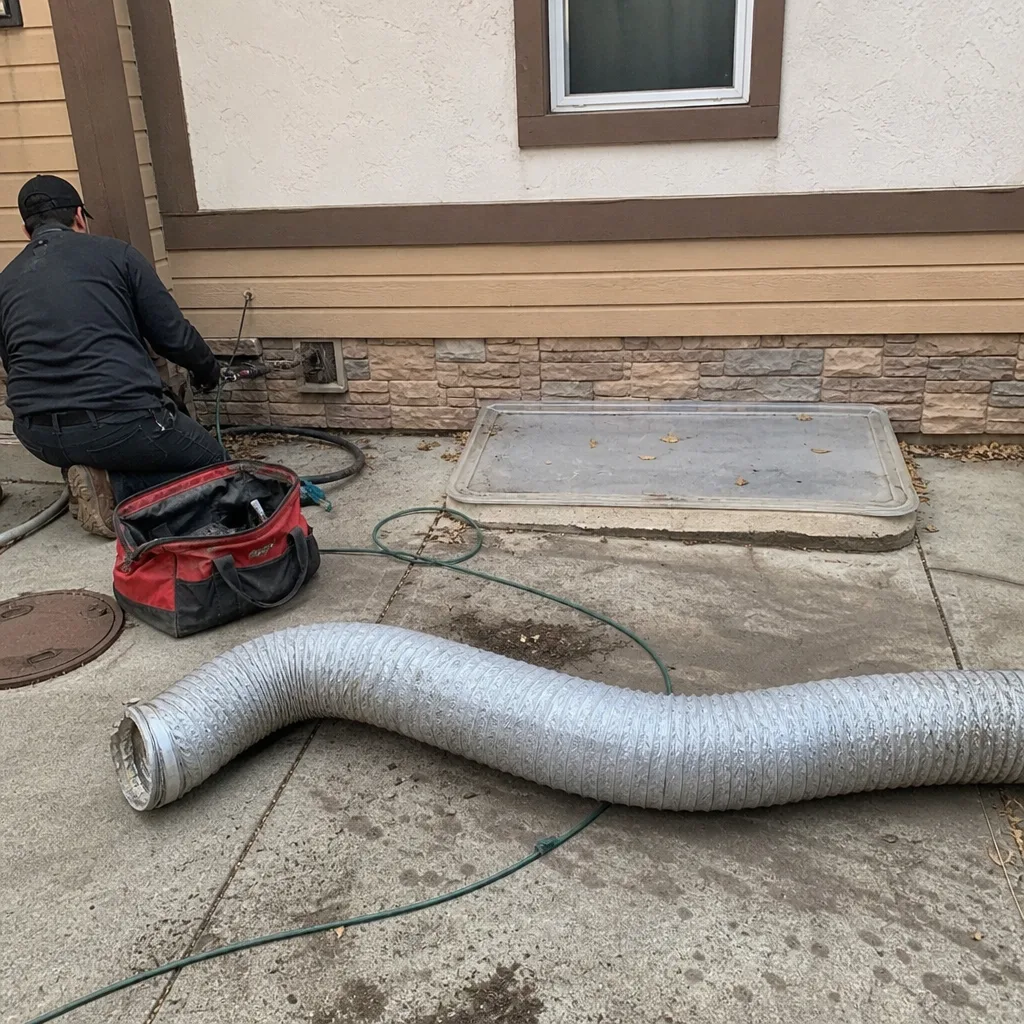 Before
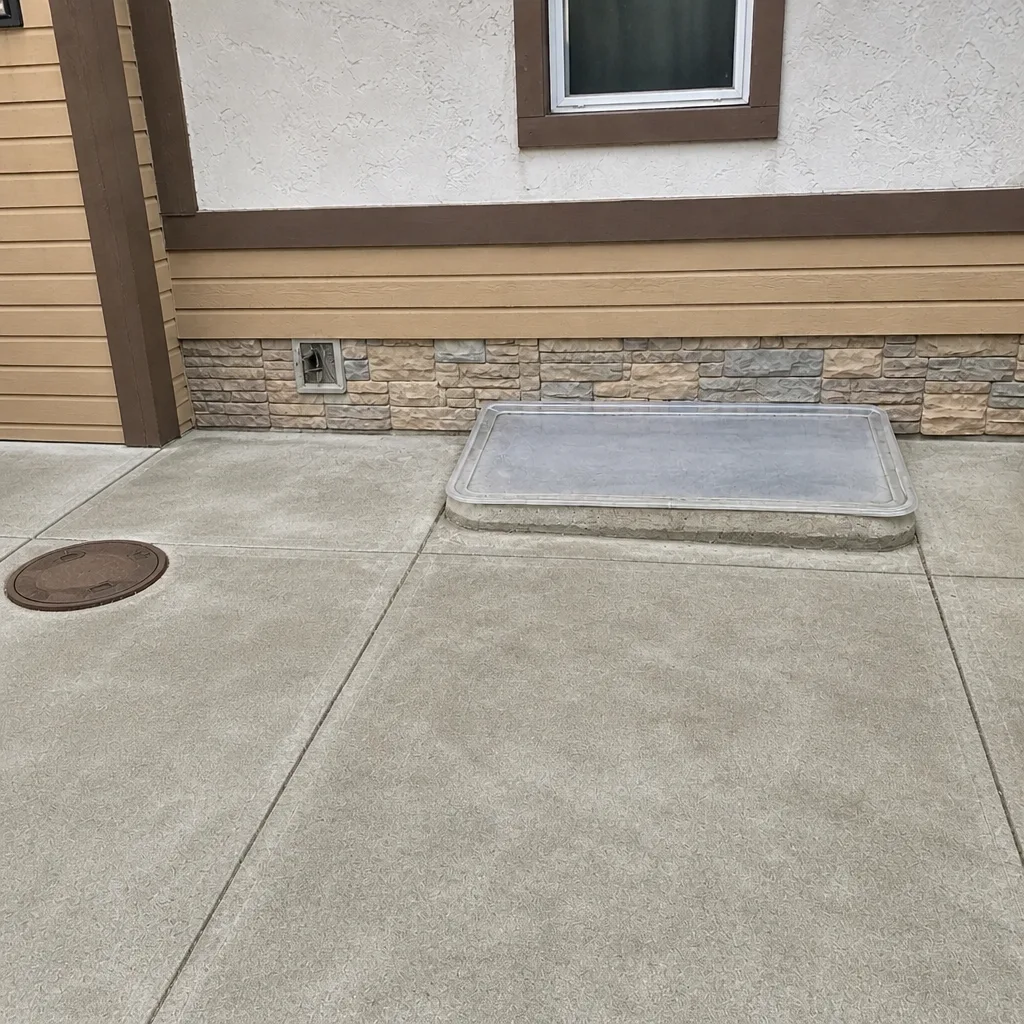 After
When to Call a Professional
Call a professional when you see ductwork that’s visibly disconnected, crushed, or taped with duct tape (as opposed to mastic), when you smell musty air at the registers, when airflow is noticeably uneven between rooms, or when you’re planning to sell and you’re not sure if previous duct work was permitted. Also call if you’ve had a contractor work on your ducts and you can’t find a permit record – it’s much easier to sort that now than during a closing. Lakewood Air Duct Cleaning Co offers free estimates in Lakewood – call (877) 820-8391. We answer 24/7. Fast dispatch from 7am to 7pm, Sunday through Friday. Our technicians have up to 11 years of experience and we’ll tell you upfront whether your scope needs a permit and how to confirm it.
Frequently Asked Questions
No. Air duct cleaning is classified as maintenance, not construction, and cleaning alone does not require a permit in Lakewood. Repairs, replacements, rerouting, or added registers do require a mechanical permit, usually through Jefferson County. Call (877) 820-8391 for an exact scope assessment – estimates are free.
Mechanical permits in most of Lakewood are issued through Jefferson County’s building department, though Lakewood has pockets that touch other jurisdictions. The contractor should confirm which jurisdiction applies to your address before work begins. If they can’t tell you, that’s a warning sign. Call (877) 820-8391 if you’d like us to walk through your specific address.
Ask the contractor for the permit number in writing, then look it up through Jefferson County’s building department by property address. The record should show the permit number, the scope, the contractor of record, and the inspection status. A permit pulled without a final inspection is incomplete. Call (877) 820-8391 if you want help interpreting what the record shows.
It depends on scope. Applied to existing ducts as a leak-sealing measure, aerosol sealing is usually treated as maintenance. When it’s part of a larger mechanical change – duct modification, resizing, or a system upgrade – it may require a mechanical permit. Ask the contractor to state in writing whether a permit is included. Call (877) 820-8391 for an exact quote on your scope.
Low quotes usually reflect a shorter scope: less equipment, less time, and often no verification of the work. The industry’s bait-and-switch reputation exists because coupons turn into larger invoices once the technician is on site. The answer is one flat price per system agreed before work starts, with before-and-after photos of your own ducts. Call (877) 820-8391 for a free, written estimate.
Colorado’s seller disclosure rules require disclosing material facts about the property that affect its value or condition, and unpermitted mechanical work generally qualifies. A permit search during the buyer’s inspection often surfaces it, and an open permit can delay closing. If you’re unsure whether prior work was permitted, have it checked before listing. Call (877) 820-8391 if you want us to review the scope.
The Bottom Line
Air duct cleaning in Lakewood doesn’t require a permit, but the repairs, sealing that changes duct configuration, and replacements that often follow do. Jefferson County handles the mechanical permit for most of the city, and the permit record is searchable – use it. The two habits that protect you are getting the contractor’s scope and permit status in writing before work starts, and verifying the permit yourself when the job is done. If a technician finds a problem mid-job, expect them to say so and to explain the permit consequence. We build every duct job in Lakewood around that clarity: cleaning, repair and sealing, sanitizing, and air quality all in one scope with the permit question answered upfront. Our technicians have up to 11 years of experience, and every job is quoted as one flat price per system before work starts.
Call (877) 820-8391 for a free estimate on your Lakewood duct system. We answer 24/7. Fast dispatch from 7am to 7pm, Sunday through Friday. We’ll tell you whether your scope needs a permit, what to expect from the inspection, and what to have in writing before anybody touches your ducts.
Written by the team at Lakewood Air Duct Cleaning Co.