
Last updated November 25, 2026
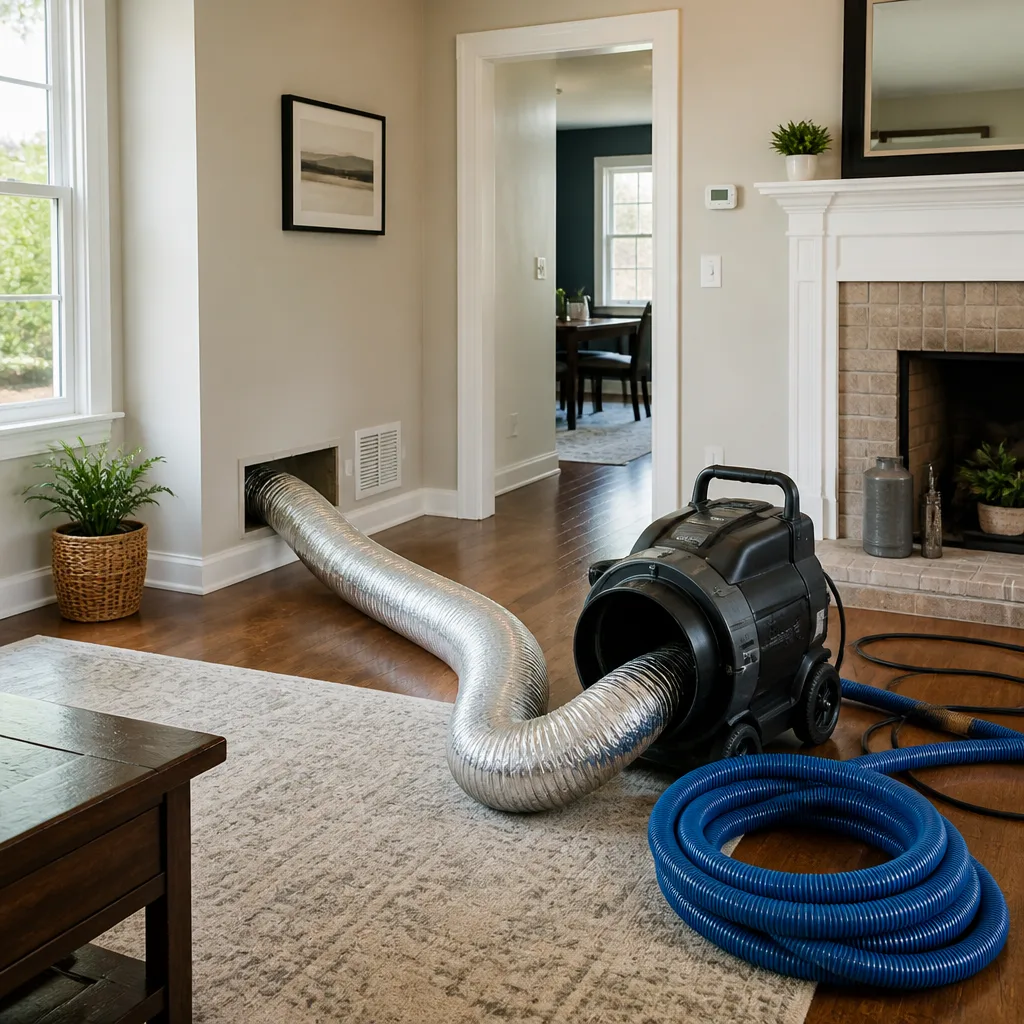 Whole-home duct cleaning
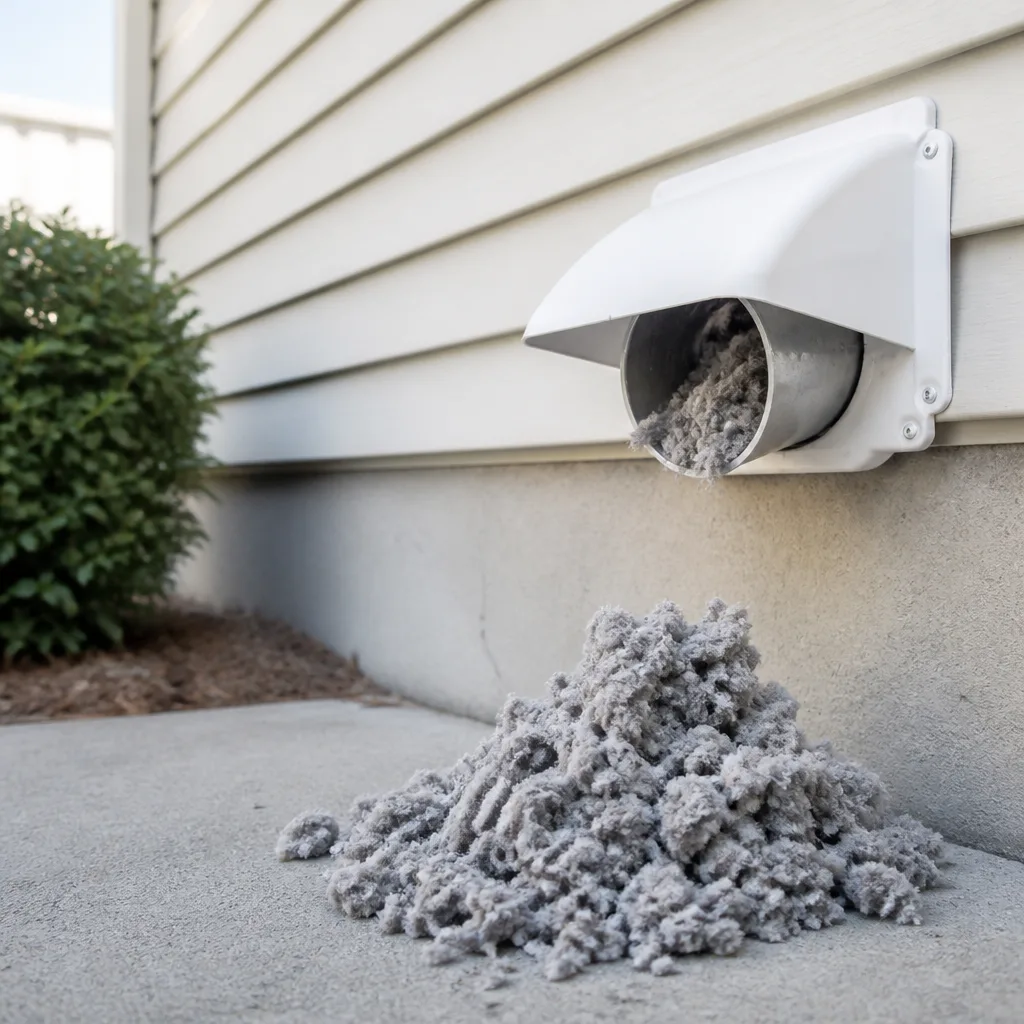 Dryer vent cleaning
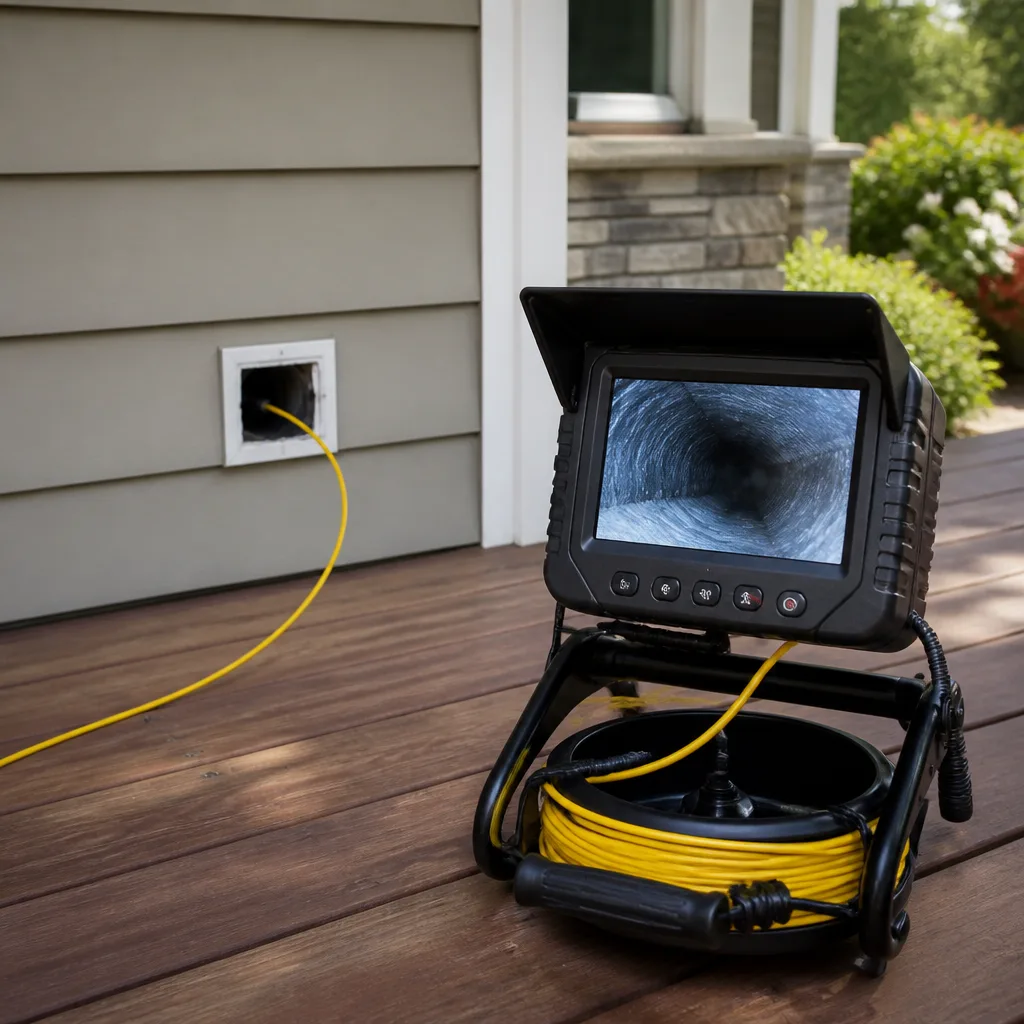 Camera inspection
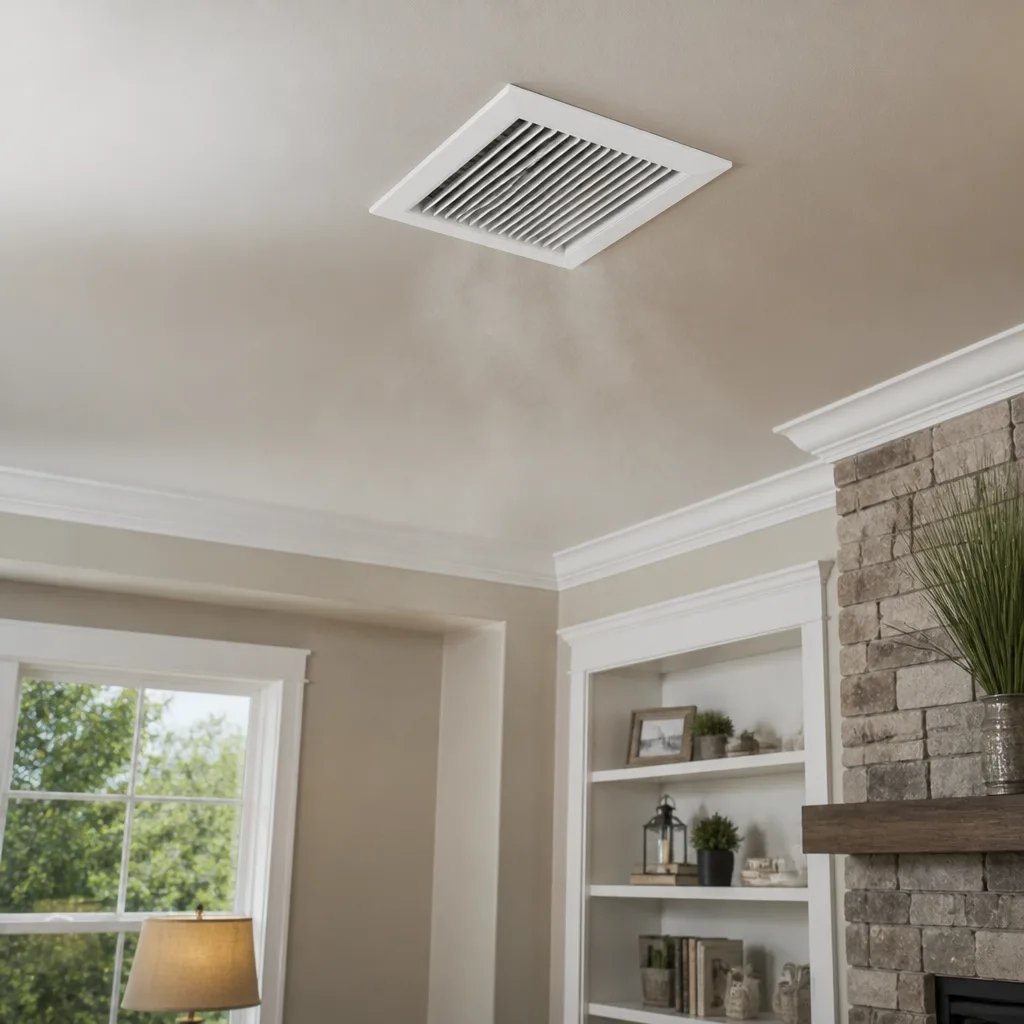 Sanitizing & deodorizing
Whole-system duct and dryer vent check with before-and-after photos - you see exactly what came out of your vents
That "$99 whole-house special" is a bait ad - the real number appears once they are in your hallway, or the "clean" is a shop-vac at the register. We photograph the inside of your ducts before and after instead.
DIY vs Professional Air Duct Cleaning: The Lakewood Homeowner’s Decision Guide
Most advice on this subject comes from one of two camps. The duct cleaning companies tell you DIY is pointless. The DIY blogs tell you a shop vacuum and an afternoon will do the job. Both are selling something. Here’s the honest version: a homeowner with the right tools really can clean register grilles, wash return grilles, and vacuum the first stretch of accessible branch duct. That’s a legitimate task worth doing. What DIY can’t reach is the main trunk line, the interior of the air handler, and everything past the first elbow, and those are usually where the actual buildup lives. This guide shows you exactly where that line falls in a Lakewood home, what to do on your own, and when to call in professional-grade equipment.
Quick Answer
DIY air duct cleaning works for register grilles, return grilles, and the first foot or so of accessible branch duct. It cannot reach main trunk lines, air handler interiors, or duct runs past the first elbow, and disturbing duct interiors without negative-pressure containment can temporarily worsen indoor air quality. Professional cleaning makes sense for post-renovation debris, visible mold, rodent evidence, pre-sale prep, or any system that hasn’t been cleaned in years.
Styles & brands we work with
- Whole-home duct cleaning
- Dryer vent cleaning
- Camera inspection
- Sanitizing & deodorizing
Table of Contents
- What DIY Duct Cleaning Can Actually Accomplish
- Where DIY Physically Stops Reaching
- The Displacement Problem: Why Disturbing Ducts Can Backfire
- When Professional Cleaning Isn’t Optional in Lakewood
- The Combined Approach: DIY Maintenance Between Professional Cleanings
- What a Professional Cleaning Actually Involves
- How to Choose a Duct Cleaning Provider in Lakewood
- How to Extend the Interval Between Cleanings
What DIY Duct Cleaning Can Actually Accomplish
The realistic DIY scope is narrower than the marketing claims and wider than most professionals admit. You can meaningfully clean register grilles and supply covers, wash return grilles, vacuum the return air box where it’s accessible, and reach the first 12 inches of branch duct with a flexible brush. That’s real work that removes real dust, pet hair, and construction grit.
Here’s the tool list that makes it worthwhile:
- A vacuum with a HEPA filter (standard shop vacs blow fine dust back into the room)
- A flexible vent brush or dryer vent brush kit sized for your register opening
- A screwdriver to remove grille screws without stripping them
- Warm soapy water and a microfiber cloth for grille washing
- Nitrile gloves, a dust mask (N95 or better), and safety glasses
- A drop cloth to protect flooring below each register
Time estimate for a typical Lakewood home with 10 to 15 registers: two to three hours if you’re thorough, plus drying time for washed grilles. Do it on a day when the HVAC isn’t running so you don’t fight the system’s own airflow. Remove each grille, wash it in a utility sink or outside with a hose, dry it fully, and then vacuum the visible duct throat behind it. Don’t fish the brush deep. If you feel resistance or hit a fitting, stop. That’s the boundary of what you can safely reach.
This register-and-throat cleaning is the maintenance layer that keeps dust from building up in the first place. It’s worth doing once or twice a year in most Lakewood homes, more often if you have shedding pets or recent remodeling dust. What it does not do is clean the ducts.
Where DIY Physically Stops Reaching
Three areas are simply out of reach for any homeowner tool:
- Main trunk lines. The large rectangular ducts running from the furnace through the basement or attic are wider than any consumer brush can agitate, and the access you’d need (cutting into the duct) isn’t something a homeowner should attempt.
- Air handler and coil housing interior. The blower compartment and evaporator coil sit behind panels you should not open on a live system. Removing those panels requires knowing what you’re doing with the electrical disconnect and the condensate drain.
- Branch duct interiors past the first elbow. Once the run turns a corner and drops down a wall cavity, a homeowner brush goes in a foot and stops. The dust and debris that accumulates at that far elbow never gets touched.
This is where professional-grade equipment makes the difference. Rotary brush systems like Rotobrush agitate the full duct interior while a high-capture vacuum unit (we run Nikro units) pulls the loosened material out under negative pressure. That’s not a consumer vacuum with a longer hose. It’s a different class of tool built for the job. When we do air duct cleaning in a Lakewood home, that combination is what reaches the trunk line and the deep branch runs your own equipment can’t touch.
The practical takeaway: DIY handles the visible surface. Professional equipment handles the interior. If your ducts have never been professionally cleaned, or it’s been more than three to five years, the DIY pass alone won’t reset the system.
The Displacement Problem: Why Disturbing Ducts Can Backfire
This is the one thing almost no DIY guide tells you, and it matters. When you agitate dust inside a duct without a containment system pulling air and particulate away, the loosened material has to go somewhere. Some of it comes back out through the register into the room you just cleaned. Some of it settles deeper in the system. Some of it gets pulled into the blower and redistributed to every other room the next time the heat or AC kicks on.
The professional solution is negative-pressure containment. Abatement Technologies negative-air and HEPA filtration equipment is the same class of tool used in professional mold and contaminant remediation. It creates a pressure differential that pulls contaminants toward the capture point instead of into the living space. That’s why professional cleaning is a contained operation, not just a cleaning operation.
For a homeowner, this means two rules:
- Don’t aggressively brush deep into a duct you can’t contain. Light vacuuming of the accessible throat is fine. Pushing a brush into the trunk and working it hard spreads dust rather than removing it.
- If you see visible mold or smell a persistent musty odor, stop and call someone. Disturbing mold spores without containment makes the situation worse, not better, and that’s a true health concern rather than a marketing line.
In our experience working Lakewood homes, the most common DIY mistake isn’t cleaning too little. It’s cleaning the wrong way in the wrong place and then wondering why the dusty smell got worse for a week. If the ducts haven’t been professionally cleaned and you’re not sure what’s inside, that’s the moment to bring in equipment with containment built in.
When Professional Cleaning Isn’t Optional in Lakewood
Some situations call for professional equipment by definition, not by preference. If any of the following describe your home, DIY won’t solve the problem:
- Post-renovation debris. Drywall dust, sawdust, and construction grit settle throughout the duct system during any significant remodel. A register-cleaning pass can’t reach what got pulled into the trunk and branch runs when the HVAC ran during the project. This is one of the most common reasons Lakewood homeowners call us, especially after a basement finish or kitchen remodel.
- Visible mold inside a duct or on a grille. Mold needs a moisture source, so the real fix is finding and correcting that moisture first. Cleaning mold without addressing the source guarantees it returns. Professional abatement-level filtration and post-clean sanitizing are the standard approach.
- Rodent evidence. Droppings, nesting material, or a persistent smell from a return duct means the system has been used as a highway. This is a contamination situation that requires containment, not a shop vac.
- Pre-sale home inspection prep. Buyers’ inspectors routinely flag dirty ducts, especially in older Lakewood homes. A documented professional cleaning before the inspection avoids a negotiating problem later.
- Recent wildfire smoke exposure or a long vacancy. Smoke particulate and long-settled dust throughout the system need full-scope cleaning and often sanitizing, which is more than surface vacuuming.
Lakewood’s housing stock ranges from mid-century ranches to newer builds, and each has its own duct layout. Older homes often have short, boxy trunk lines with a lot of accessible duct; newer homes tend to have longer branch runs with more elbows and hidden transitions. Which one you have determines how much DIY helps. The Lakewood Air Duct Cleaning Co team can explain what your specific layout allows when we do a free estimate.
The Combined Approach: DIY Maintenance Between Professional Cleanings
The right answer for most Lakewood homeowners isn’t DIY or professional. It’s both, on a sensible schedule. Think of DIY as routine maintenance and professional cleaning as the periodic reset.
Here’s a combined approach that works:
- Change your filter on schedule. This is the single most effective thing you can do. A quality pleated filter changed at the manufacturer’s interval keeps far more dust out of the duct system than any cleaning pass removes.
- Do a register-and-grille pass twice a year. Spring and fall are natural times. This handles the visible surface dust and keeps grilles functional.
- Vacuum return grilles when you notice visible dust. A dusty return grille means the return side is pulling material, which is worth paying attention to.
- Schedule professional cleaning every three to five years for most homes, more often after a renovation, a rodent issue, or if you notice uneven airflow or musty odors between cleanings.
- Keep your dryer vent on its own schedule. This is a separate safety issue from your HVAC ducts. dryer vent cleaning deserves its own dedicated attention, and it’s far more frequent in homes with heavy laundry loads.
The combined approach extends the interval between professional cleanings rather than replacing them. It also gives you a much better sense of what’s happening in your system, because you’ll notice changes in grille dust and airflow sooner.
What a Professional Cleaning Actually Involves
Understanding the process is how you judge whether a quote is legitimate. A proper professional cleaning covers the full system, not just the ducts you can see.
- System assessment. Before any cleaning, we inspect the layout, check for damaged duct sections, look for signs of moisture or mold, and identify what the system’s been through.
- Negative-pressure setup. HEPA filtration and negative-air equipment are positioned to contain the work. This is the step that makes the difference between cleaning and dispersing.
- Source removal. Rotary brush cleaning through the supply and return ducts, following each run end to end, with the main trunk line addressed directly.
- HVAC unit cleaning. Blower, coil housing, and accessible evaporator coil cleaning falls under HVAC cleaning, and it’s part of a full-scope job because the air handler is where a lot of buildup sits.
- Duct repair and sealing where needed. Loose joints and disconnected sections let dusty attic or crawlspace air into the system. We clean and seal those rather than cleaning around them.
- Post-clean sanitizing. An optional step once the system is clean and dry, using professional-grade products appropriate for residential HVAC.
- Documentation. Before-and-after verification so you know the work was actually done.
If a quote is based on a low headline price per vent, it’s not offering this scope. A flat price per system agreed before work starts is the honest way to price the work, because it doesn’t leave room to charge extra for the parts of the job you actually need done.
How to Choose a Duct Cleaning Provider in Lakewood
The duct cleaning industry has a reputation problem, and it’s earned. You’ve probably seen the low-price coupons that turn into far larger invoices once the technician is on site. Here’s how to avoid that trap:
- Ask for a flat price per system, not per vent. Per-vent pricing is how a quote grows after the fact. A flat price agreed before work starts is the standard you want.
- Ask what equipment they use. Professional rotary brush and high-capture vacuum equipment is the baseline. Equally important is the containment setup: negative-air and HEPA filtration is what separates a real cleaning from a disturbance.
- Ask about duct repair and sealing as a service. If a provider only cleans and can’t address disconnected or damaged duct sections, they’ll leave the root cause of recontamination in place.
- Ask for before-and-after documentation. Photos of your own system, not stock images from a website, are how you verify the work was done.
- Confirm they’re state-licensed and insured. Any legitimate provider operates with the appropriate credentials for their state.
Also ask about scope: does the job cover air ducts, dryer vent, HVAC unit interior, and post-clean sanitizing in one visit, or are those separate charges? One of our operating principles is that one call covers your ducts, vents, HVAC, and air quality. We stock and install Honeywell and Aprilaire products where they help solve a whole-home air quality issue. And our technicians are trained on the Abatement Technologies filtration equipment the job actually requires. Our technicians have up to 11 years of experience. Call (877) 820-8391. We answer 24/7. Fast dispatch from 7am to 7pm, Sunday through Friday.
How to Extend the Interval Between Cleanings
The most cost-effective strategy is simple: reduce the amount of dust that gets into the system, and the system stays cleaner longer. A few practical steps make a measurable difference.
- Upgrade to a quality filter and change it on schedule. The right filter for your system captures more particulate without restricting airflow. A Honeywell or Aprilaire filter system, sized correctly, is often the best first upgrade.
- Seal gaps at registers and duct joints. Small air leaks pull unconditioned dust from crawlspaces and attics into your living space. A tube of sealant and a bit of patience fixes most of these.
- Keep window screens and door sweeps in good repair. This reduces pollen, dust, and grit coming in from outside, which means less gets pulled into the return.
- Address moisture quickly. Any leak, humid basement, or crawlspace moisture problem feeds mold and biological growth in the duct system. Fix the water, keep the system clean.
- Attention to dryer vent. A clogged dryer vent is both a fire risk and an airflow problem. Annual inspection and cleaning in most homes is the responsible interval, with professional cleaning as needed.
None of this replaces a professional cleaning. What it does is make the professional cleaning last longer, which is the practical form of savings every homeowner should be after. That’s the combined approach, and it’s what we’d recommend to anyone in a Lakewood home.
Common Mistakes to Avoid
- Using a shop vacuum without a HEPA filter. Standard shop vacs blow fine dust straight back into the room. If you’re cleaning grilles, HEPA is mandatory, not optional.
- Pushing a brush deep into a duct you can’t contain. Disturbing the interior without negative pressure spreads dust into the living space instead of removing it.
- Cleaning mold without fixing the moisture. Cleaning a moldy duct without addressing the water source is guaranteed to be a temporary solution. The moisture is the problem; the mold is a symptom.
- Falling for per-vent teaser pricing. Low headline prices are how the invoice grows on site. Insist on a flat price per system agreed before work starts.
- Skipping the HVAC unit itself. Cleaning the ducts while leaving a dust-caked blower and coil housing is like cleaning a room without cleaning the fan. The system stays dirty.
- Ignoring the dryer vent as a separate safety item. Clogged lint buildup is a leading cause of residential fires. It’s not part of your HVAC system and it needs its own schedule.
- Cleaning without documentation. Without before-and-after photos of your own system, you have no way of knowing whether the work was done. Always ask.
See the difference
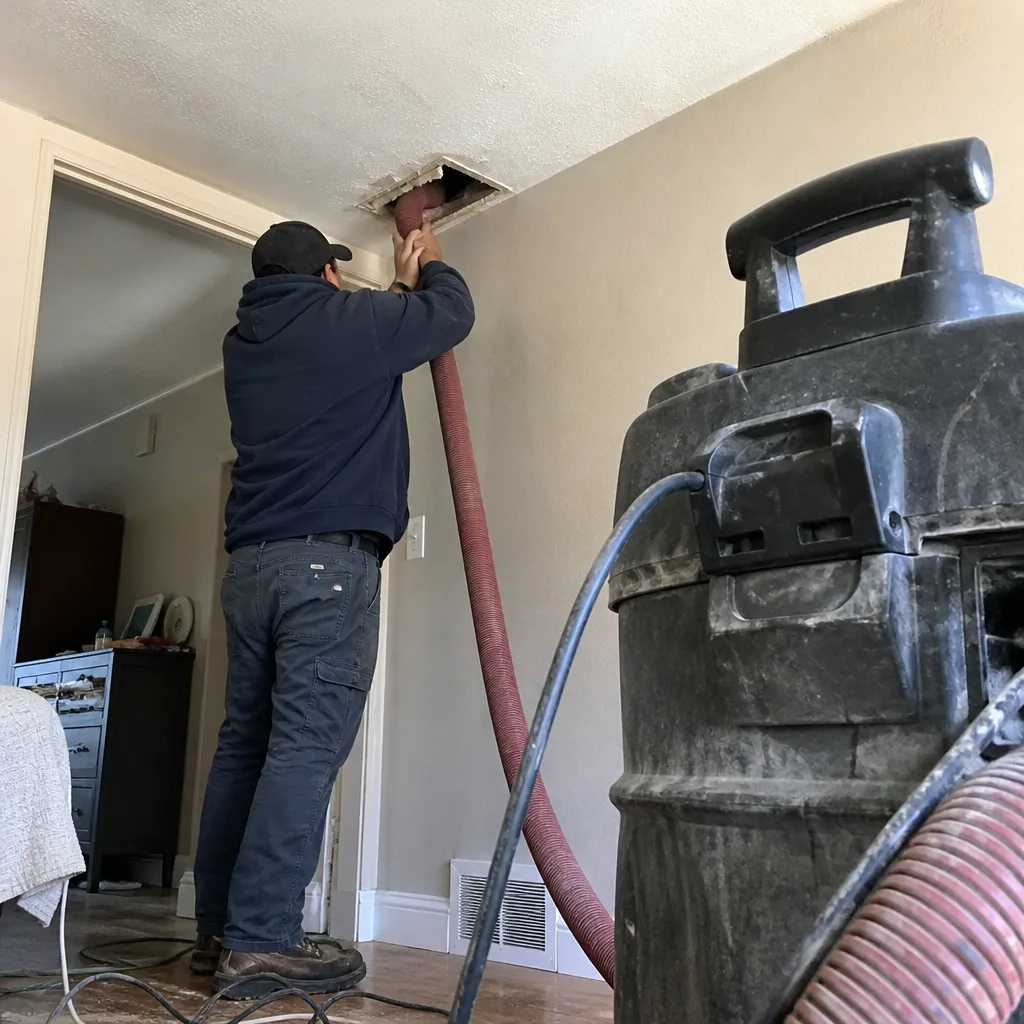 Before
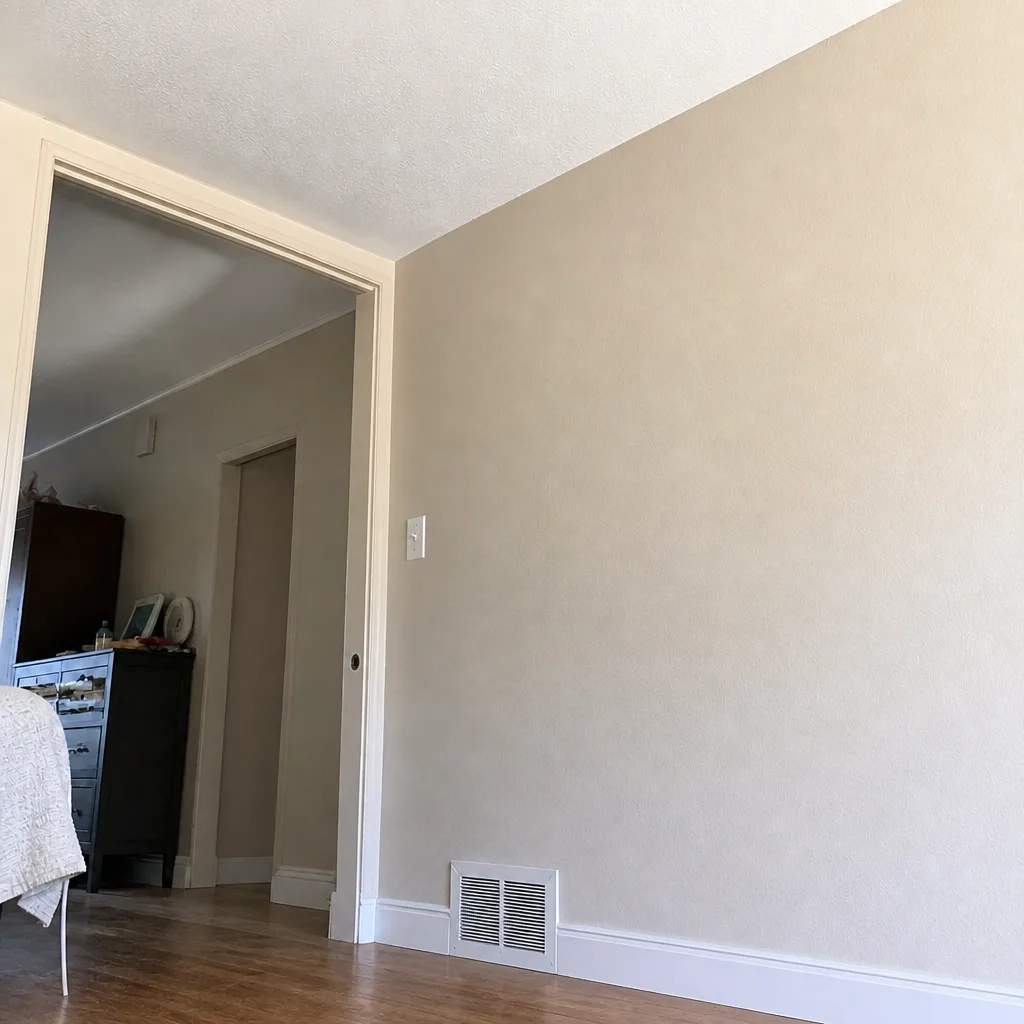 After
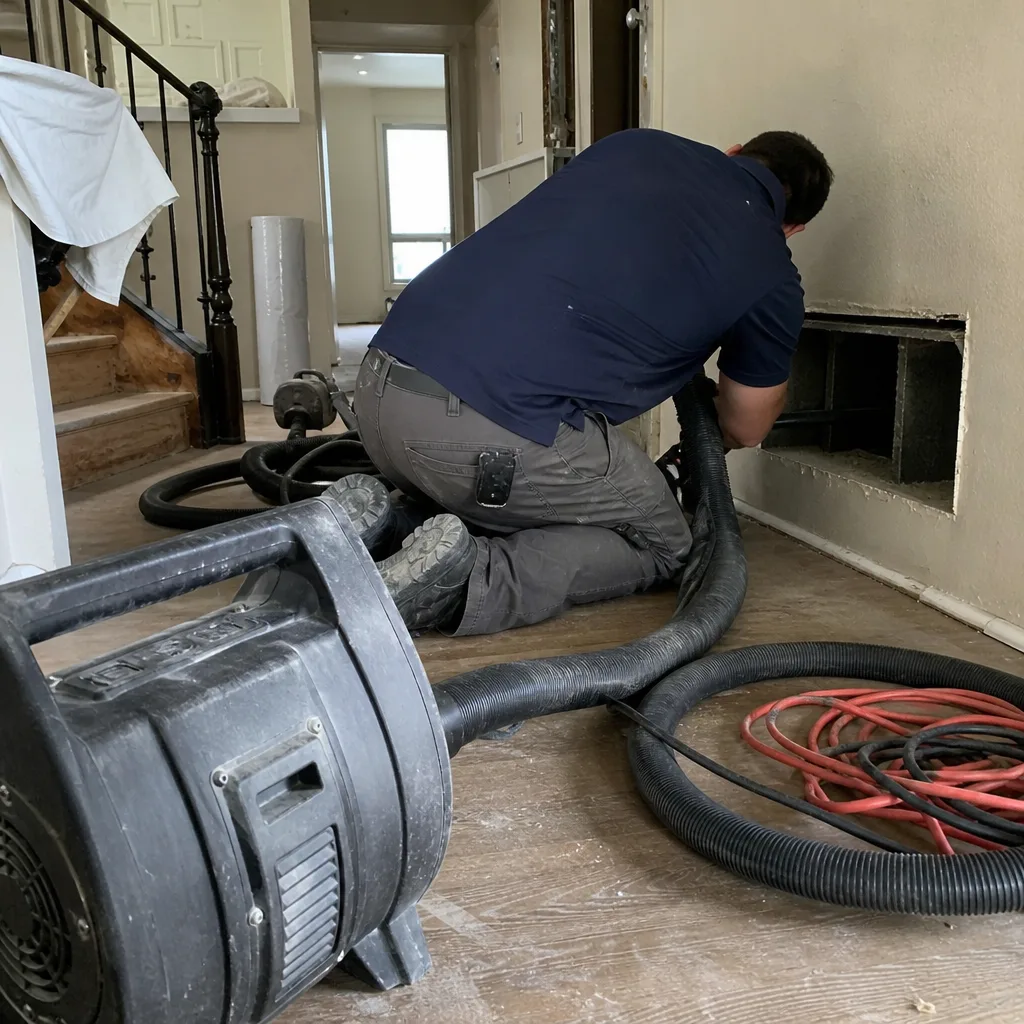 Before
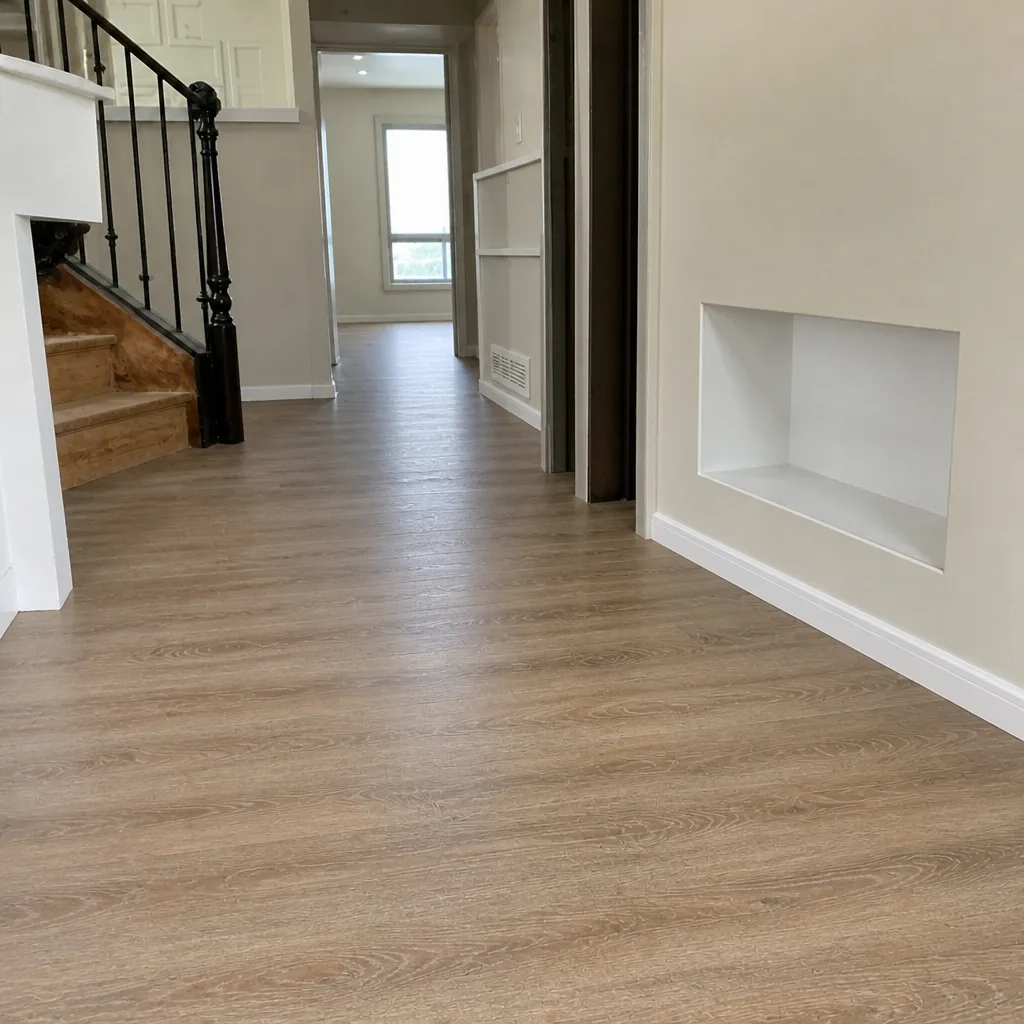 After
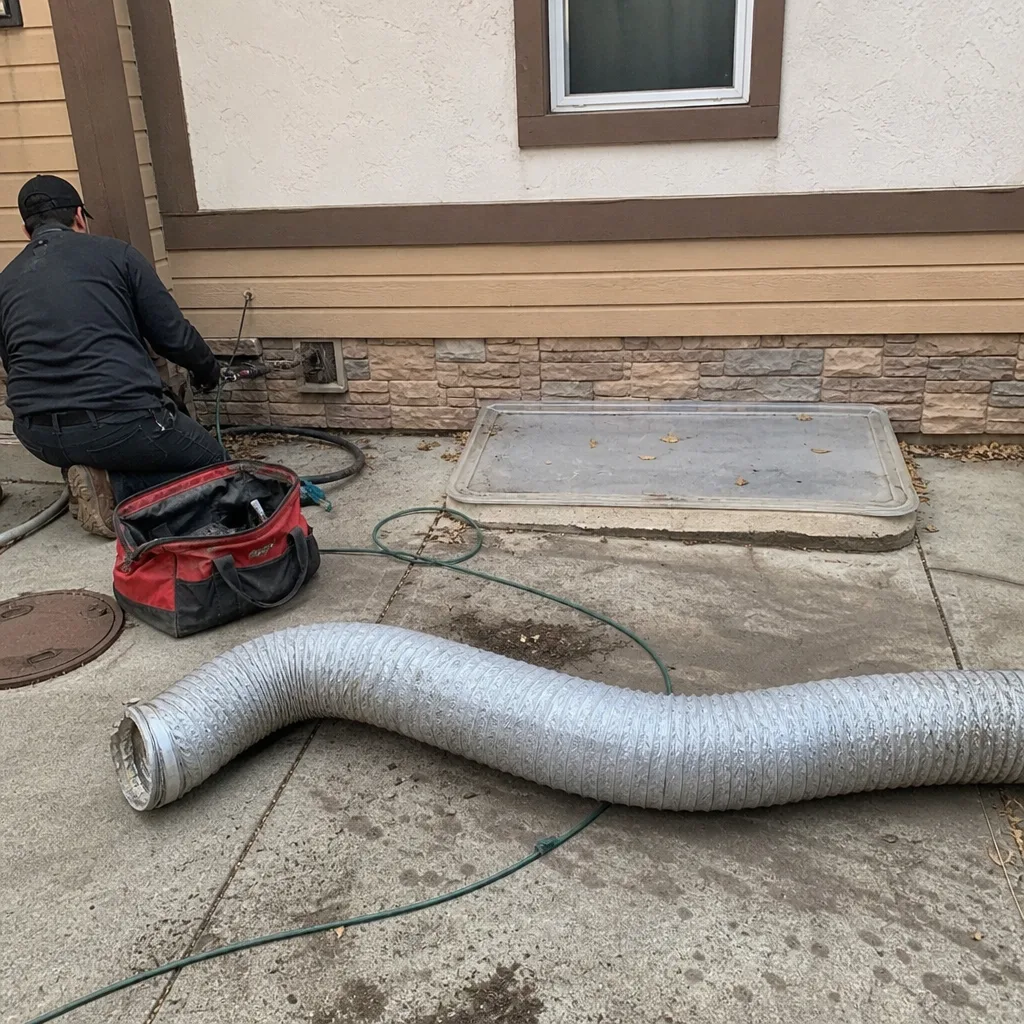 Before
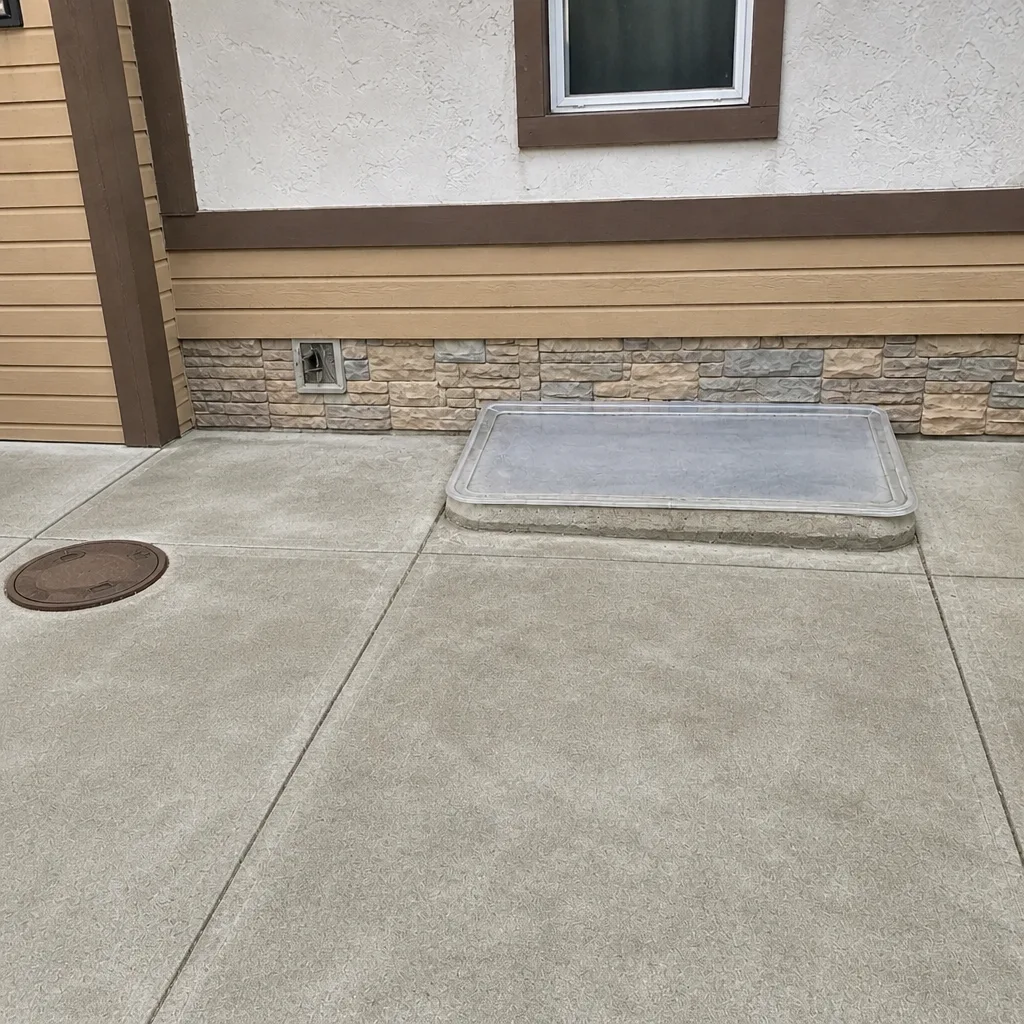 After
When to Call a Professional
Call a professional when the problem is beyond grille-and-throat cleaning. That means post-renovation debris, visible mold in a duct or on a grille, rodent droppings or nesting evidence, persistent musty odor, uneven airflow between rooms, a pre-sale inspection coming up, or a system that hasn’t been professionally cleaned in more than a few years. Those are all situations where DIY does less than what the job actually requires. In our experience, they’re also the situations where waiting doesn’t help. Lakewood Air Duct Cleaning Co offers free estimates in Lakewood. Call (877) 820-8391. We answer 24/7. Fast dispatch from 7am to 7pm, Sunday through Friday. The estimate is free, the price is set per job by the written estimate, and you’ll see before-and-after photos of your own ducts before we’re done.
Frequently Asked Questions
DIY is a bad idea only when you’re disturbing contamination you can’t contain. Aggressive brushing of deep duct interiors, mold, or rodent debris without negative-pressure equipment spreads the problem into the living space. Light grille cleaning and accessible-throat vacuuming with a HEPA vacuum are safe and worthwhile. Call (877) 820-8391 for an exact quote if you’re not sure which situation you’re in. Estimates are free.
Cost depends on the size of your system, the number of runs, and the scope (whether HVAC unit cleaning, sealing, or sanitizing is included). We don’t quote per-vent teaser prices because they don’t reflect the actual job. The honest approach is a flat price per system agreed before work starts, confirmed by a written estimate. Call (877) 820-8391 for a free estimate and a real number for your home.
Because they’re not quoting the same job. Low headline prices usually exclude the HVAC unit, the trunk line cleaning, sealing, and documentation. What looks cheap is often a surface pass, and the invoice grows once the technician is on site. Ask any provider what their flat price covers and whether it’s per system or per vent. Call (877) 820-8391 for a quote that’s all-in and agreed in writing before work begins.
Ask for before-and-after photos of your own system and a description of what was cleaned. That’s the standard you should hold any provider to. Stock photos on a website prove nothing. Call (877) 820-8391 and we’ll explain exactly what we document on every job.
For most homes, every three to five years is reasonable. That interval shortens after a renovation, a rodent issue, or if you notice uneven airflow or musty odors. Homes with shedding pets or heavy dust exposure benefit from the shorter end. DIY register cleaning between professional visits extends the interval but doesn’t replace it. Call (877) 820-8391 for a free estimate and we’ll help you figure out the right schedule for your home.
Yes, if done wrong. Disturbing duct interiors without negative-pressure containment temporarily increases airborne particulate in the living space, and some of it resettles deeper in the system. The solution is either light HEPA vacuuming at the register, which is safe, or a contained professional cleaning. Call (877) 820-8391 if you’ve already disturbed the system and want a professional assessment. Estimates are free.
The Bottom Line
DIY duct cleaning isn’t dangerous. It’s just structurally limited. Register and grille cleaning, return box vacuuming, and accessible-throat work are worth doing, and they extend the interval between professional cleanings. But the trunk line, the air handler, and the deep branch runs require equipment and training a homeowner can’t realistically own. The decision isn’t DIY or professional. It’s which fits the situation in front of you. For routine maintenance, DIY works. For post-renovation debris, mold, rodent evidence, pre-sale prep, or a system that’s overdue, professional cleaning is the answer. That’s a rational decision, not one made on price or pressure.
Get a Free Estimate in Lakewood
If you’ve read this far and you’re still not sure which path fits your home, that’s the right time to talk to someone who does this every day. Call Lakewood Air Duct Cleaning Co at (877) 820-8391 for a free estimate. We answer 24/7. Fast dispatch from 7am to 7pm, Sunday through Friday. You’ll get a clear scope of work, a flat price per system agreed before we start, and before-and-after photos of your own ducts when the job is done. One call covers your ducts, vents, HVAC, and air quality. No surprises, no bait-and-switch, no per-vent pricing games.
Written by the team at Lakewood Air Duct Cleaning Co.