
Last updated November 25, 2026
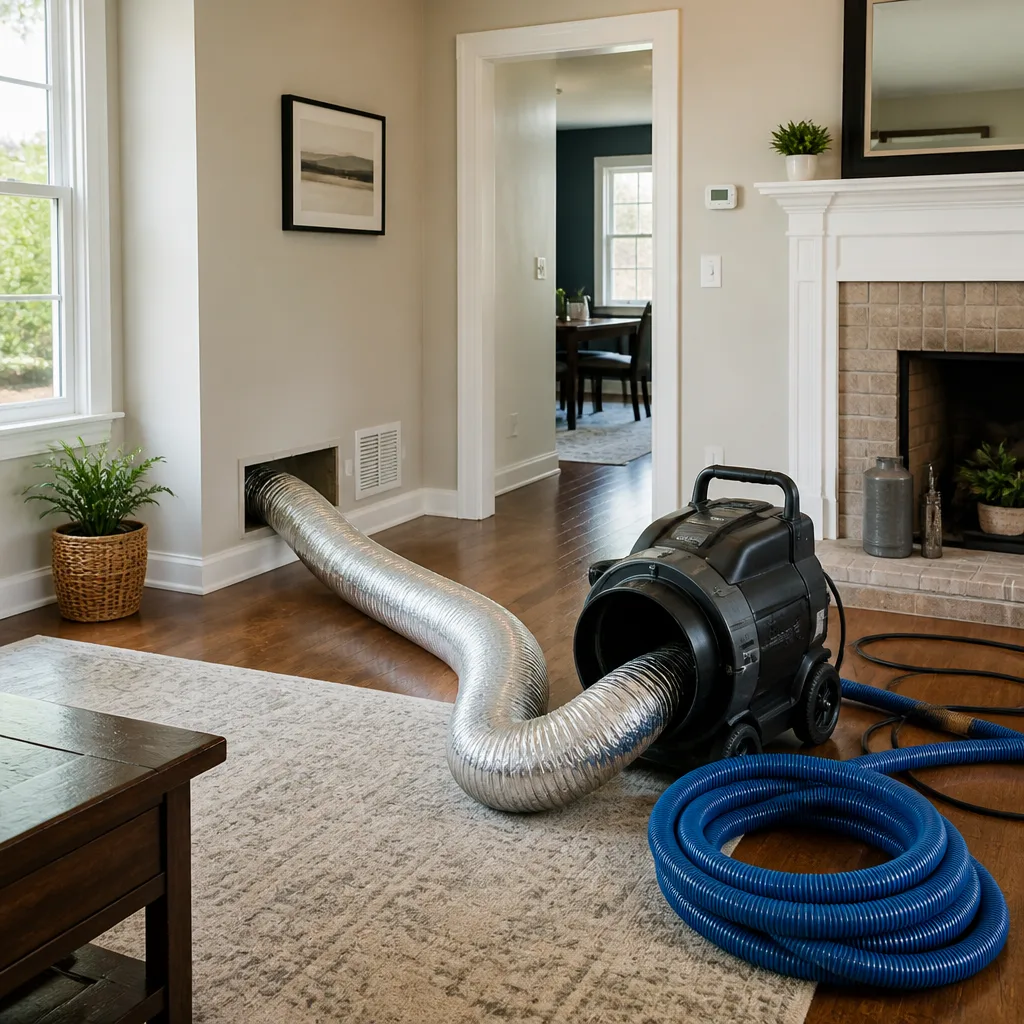 Whole-home duct cleaning
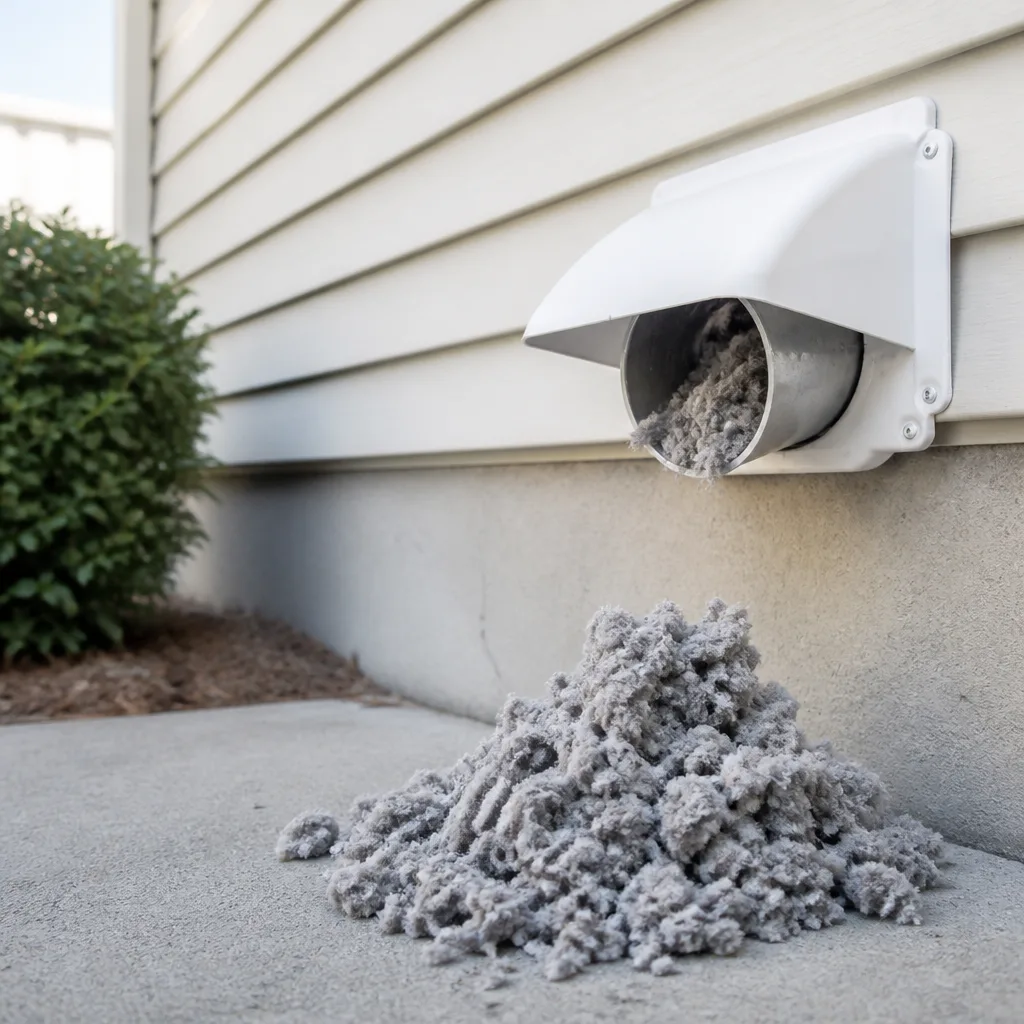 Dryer vent cleaning
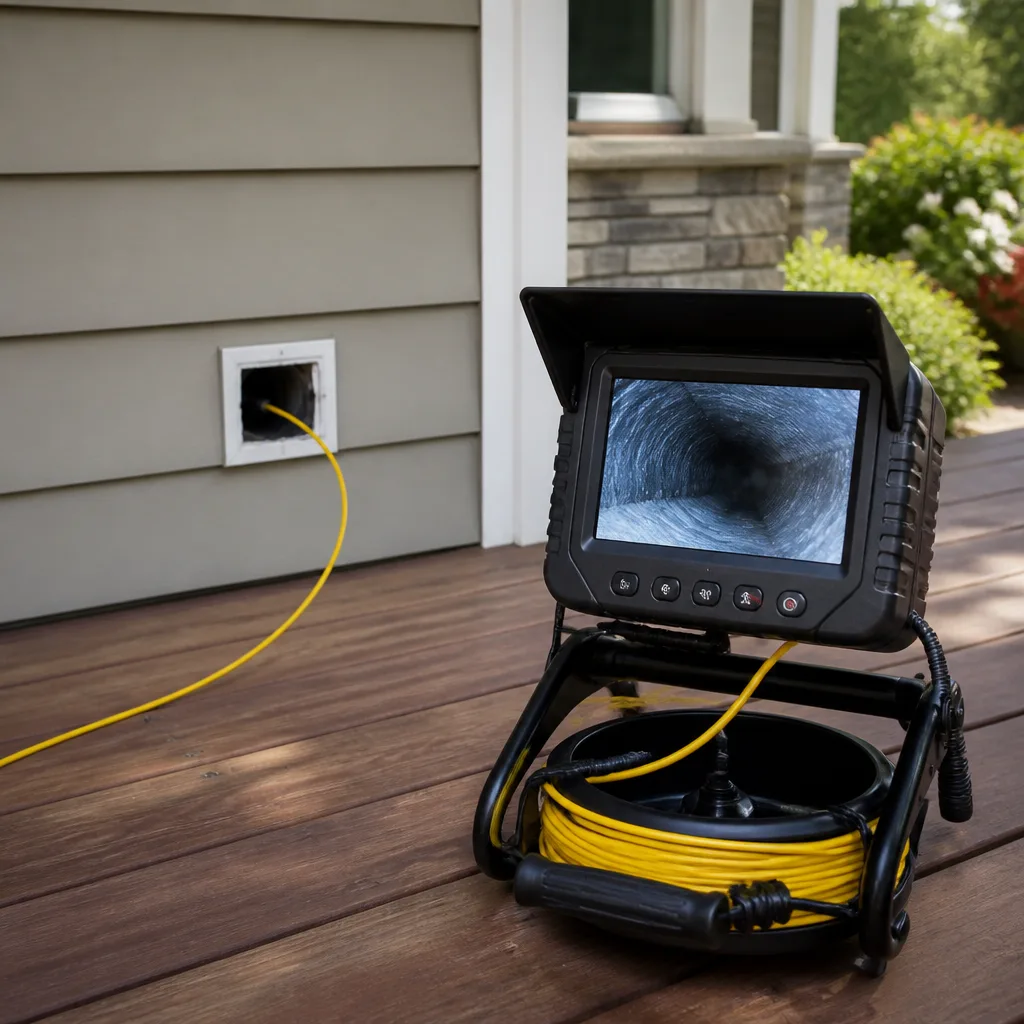 Camera inspection
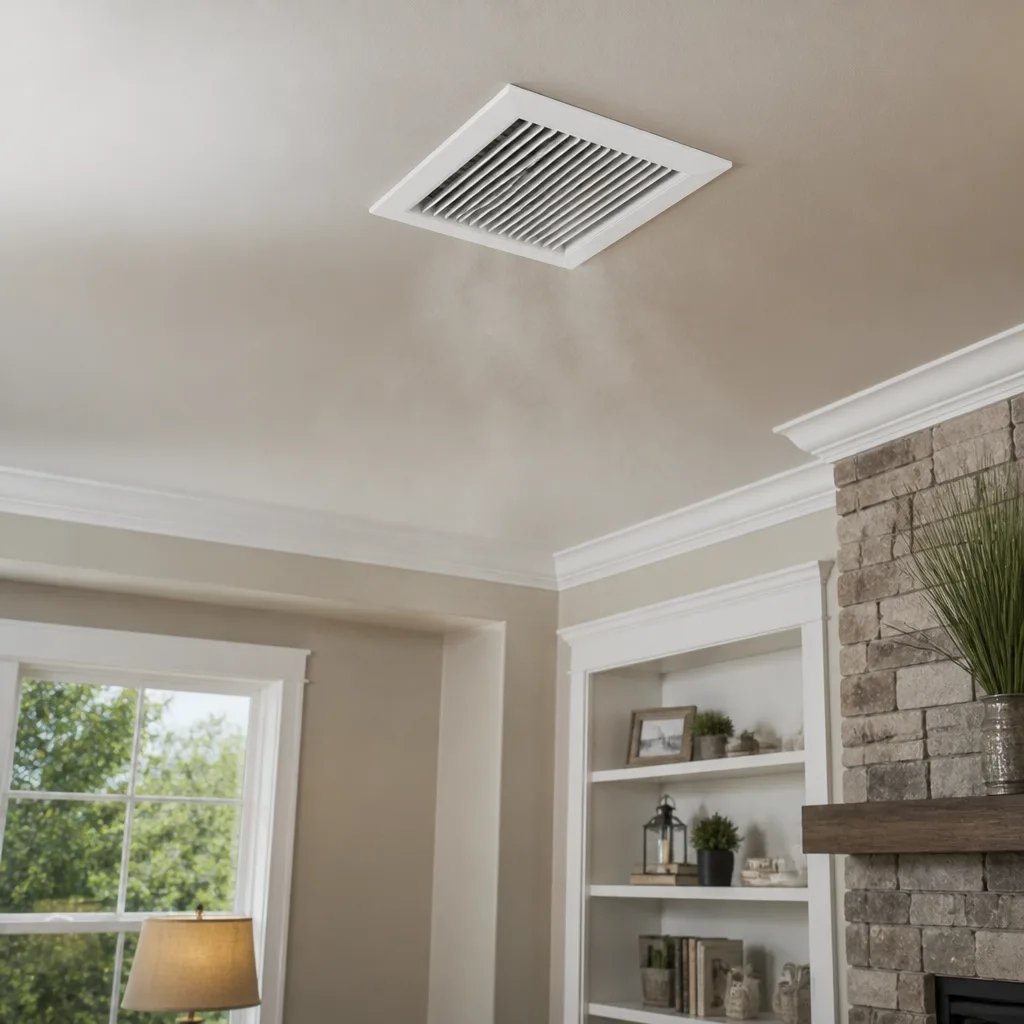 Sanitizing & deodorizing
Whole-system duct and dryer vent check with before-and-after photos - you see exactly what came out of your vents
That "$99 whole-house special" is a bait ad - the real number appears once they are in your hallway, or the "clean" is a shop-vac at the register. We photograph the inside of your ducts before and after instead.
Seasonal Air Duct Cleaning Care for Lakewood: Year-Round Homeowner’s Guide
Most homeowners treat duct cleaning as a once-a-decade chore, something to think about when the vents start looking grey. That framing misses what actually happens inside a Lakewood duct system over twelve months. Your ducts aren’t just moving conditioned air through the house. They’re collecting whatever the Front Range sends their way: spring pollen off the plains, summer smoke from mountain fires, autumn dust from the development corridors around town, and the concentrated indoor particulate that builds up when a house seals tight against a cold December night. Each season loads the system differently, and each one calls for a different response. This guide walks through all four, then shows you how to build a rolling 12-month duct calendar matched to your home’s age, filtration level, and how many people live in it.
Quick Answer
In Lakewood, air ducts should be inspected once a year and cleaned when the inspection shows real accumulation, which for most homes works out to every two to four years. The best times to schedule are early spring, before cooling season pulls pollen through the system, and early fall, before the furnace starts running daily. Wildfire smoke season and the sealed-winter months are when interim filtration steps matter most.
Styles & brands we work with
- Whole-home duct cleaning
- Dryer vent cleaning
- Camera inspection
- Sanitizing & deodorizing
Table of Contents
- Why Seasonal Care Beats One-Time Cleaning in Lakewood
- Spring: Pollen Infiltration and Post-Winter Return Grille Buildup
- Summer: Wildfire Smoke, PM2.5, and What Standard Filters Miss
- Fall: The First Furnace Run Is Your Best Diagnostic
- Winter: Sealed Homes and Accelerated Particulate Buildup
- Building a 12-Month Duct Health Calendar for Your Lakewood Home
- Common Mistakes to Avoid
- When to Call a Professional
Why Seasonal Care Beats One-Time Cleaning in Lakewood
Duct contamination isn’t a single substance that builds up at a steady rate. It’s a layered record of what your house breathed in over the year, and each layer arrives on its own schedule. A cleaning in June removes the pollen that came in during April and May, but by September the system has collected a fresh coat of smoke particles and construction dust that the June cleaning never saw.
That’s the argument for thinking seasonally rather than episodically. Lakewood sits where the plains meet the foothills, which means the local air carries different loads at different times. Spring wind off the east side brings fine dust and tree pollen. Summer westerly flow can carry wildfire smoke down from the mountains for days or weeks at a stretch. Fall is when the development corridors around the metro kick up construction particulate that finds its way into return air. And winter, when windows stay shut for weeks, is when whatever is already in the ducts gets recirculated most intensely.
The practical result is that a home in Lakewood gets more out of a light cleaning at the right moment than a heavy cleaning at the wrong one. A pre-season pass in early spring and another in early fall keeps the load from ever reaching the point where it affects airflow or air quality. Homes near active construction or with pets or allergy-sensitive occupants may need more frequent attention.
We’ve seen this pattern hold across every kind of Lakewood housing, from older bungalows near Belmar to newer builds out toward Green Mountain. The building changes how fast contamination accumulates, but the seasonal rhythm stays the same. That rhythm is what the rest of this guide is built around.
Spring: Pollen Infiltration and Post-Winter Return Grille Buildup
Spring is the season most homeowners overlook, even though it’s one of the two best windows to schedule a cleaning. The reason is simple: by the time the furnace stops running daily and the air conditioner takes over, the return side of your system has spent three months pulling every bit of indoor particulate through the same grilles. Pollen that enters through open windows and doors gets drawn into the return, and the fine fraction passes right through a standard filter.
What spring actually deposits
- Tree and grass pollen, which is small enough that many standard filters only partially capture it.
- Fine dust carried on spring wind off the plains, which settles in the return plenum and on the blower wheel.
- The residual pet hair, skin cells, and fabric lint that built up over the heating season and never got flushed out.
When to schedule a pre-season inspection
- Watch your calendar, not the weather. The right window is roughly two to four weeks before you expect to start running the air conditioner regularly.
- Do a visual check of every return grille in the house. A visible grey or brown film on the grille face and the first inch of duct behind it is a strong sign the deeper system needs attention.
- Note any change in airflow at supply registers, or any musty smell when the fan kicks on.
- Book the inspection, so the cleaning (if it’s needed) happens before cooling season starts pulling spring air through the system.
Spring is also the season to check your filter strategy. If you’re still running a basic fiberglass filter, upgrading to a pleated filter with a higher capture rating is a low-cost way to reduce what reaches the ducts. Just confirm the higher rating doesn’t choke airflow on your particular system. We’ll cover that balance in the summer section, because it matters even more once smoke season arrives.
If the inspection shows real buildup, professional air duct cleaning with rotary-brush equipment removes the pollen film and dust layer in one pass, which is far more effective than a shop-vac attempt at the grilles.
Summer: Wildfire Smoke, PM2.5, and What Standard Filters Miss
Summer on the Front Range brings a specific problem: wildfire smoke that can settle over the metro for days. The particles that matter most are PM2.5, which are small enough to travel deep into the lungs and small enough that most standard residential filters simply don’t capture them. That’s the part homeowners tend to get wrong. A filter that does a fine job on pet hair and dust can still let the bulk of smoke particulate pass through.
Why standard filters miss smoke
PM2.5 refers to particles roughly 2.5 microns and smaller. A typical pleated filter rated MERV 8 will capture a meaningful share of larger particles but lets a substantial fraction of the smallest ones through. Higher-MERV filters capture more, but they also create more airflow resistance, which can stress a system not designed for them. The right answer depends on your equipment, your duct design, and how tight the house is, which is why a blanket recommendation to “just buy a higher-MERV filter” can do more harm than good.
Interim steps to reduce smoke infiltration without a full cleaning
- Keep windows and exterior doors closed during smoke events, and run the system fan continuously on low so the filter keeps working.
- Check and replace the filter at the start of smoke season and again if a heavy event passes through.
- Seal obvious gaps around exterior doors and windows with weatherstripping, which cuts the volume of outside air the system has to handle.
- If your home has a whole-home air quality product, confirm it’s running and its media is fresh. We supply and install Honeywell and Aprilaire products for exactly this kind of ongoing filtration need.
When smoke season means cleaning, not just filtering
If a home has been through one or more heavy smoke events and the ducts haven’t been cleaned recently, filtration alone won’t remove what’s already deposited. Smoke particulate that settles on duct surfaces and the blower can get re-entrained into the airstream every time the fan runs. Professional cleaning with high-capture equipment, including HEPA filtration and negative-air containment like the Abatement Technologies systems we use, removes it at the source rather than pushing it around.
One more summer note: this is also the season to think about your HVAC cleaning, since the cooling coil and blower see their heaviest use now. A dirty coil and blower undermine every other air quality step you take.
Fall: The First Furnace Run Is Your Best Diagnostic
Fall gives you something no other season does: a clean read on your duct system’s condition. The first time the furnace runs for the season, the whole system wakes up at once, and whatever it’s been holding all summer gets pushed through the house. That first run is a diagnostic opportunity, and most homeowners miss it.
What to check on that first run
- Stand near a supply register when the heat first comes on. A musty, dusty, or slightly burnt smell is often the system pushing out accumulated dust and debris, and a persistent smell after the first run is a sign the ducts need attention.
- Listen for unusual noise at the registers. Whistling or rattling can point to a loose joint, a disconnected run, or a leak in the duct system.
- Check airflow at each register. Weak flow at one or two vents while others are strong often means a leak or a blockage on that branch.
- Look at the return grille after a few days of heating. Fresh dust on the grille face tells you the return side is pulling more particulate than the filter can handle.
- Note any rooms that stay cooler than the rest of the house. Uneven heating after the first run is a classic symptom of duct leakage or poor balance.
If any of those checks come back positive, fall is the ideal time to act, because the heating season is just starting and a cleaning or repair now means the whole winter runs on a clean system. It’s also the season when we most often find duct problems that cleaning alone won’t fix. Loose joints, disconnected runs, and gaps at the plenum let conditioned air escape into the attic or crawlspace, which drives up heating cost and pulls contaminated air back into the system. That’s why dryer vent cleaning and duct repair and sealing belong on the fall checklist too. Lint buildup in a dryer vent is one of the leading causes of residential fires, and fall is a natural time to get it cleared before the heavy laundry months.
Winter: Sealed Homes and Accelerated Particulate Buildup
Winter is when the duct system works hardest and the house gives it the least help. Windows stay shut, doors stay closed, and the same air recirculates through the system for weeks at a time. Every particle that enters the house, whether from cooking, pets, dust tracked in from outside, or the furnace itself, stays in circulation longer than in any other season.
Why sealed homes concentrate the load
In a well-sealed Lakewood home, the only fresh air the system sees is what leaks in through gaps and the filter. That means the particulate concentration in the airstream rises as the season goes on. The return grilles pull in whatever the filter misses, and the blower wheel and duct surfaces collect it. By February, a system that was clean in October can be carrying a noticeable dust load.
- Change or clean the filter on schedule, and don’t stretch the interval because the house “seems clean.”
- Keep interior doors open where you can, so return air can reach the system rather than pressurizing closed rooms.
- Run the system fan periodically between heating cycles to keep air moving through the filter.
- Pay attention to musty or dusty smells at the registers; a persistent smell in winter is a strong signal that the ducts are holding contamination.
When winter buildup means a cleaning
If you skipped fall, winter is still a workable time to clean, though scheduling is tighter because the system is in daily use. The bigger point is to not let a whole winter pass on a system that was already carrying a load from summer and fall. A cleaning in early winter sets the house up for the months when ventilation is at its lowest.
Winter is also when indoor air quality products earn their keep. A whole-home filtration or humidity product, like the Honeywell and Aprilaire lines we work with, helps the system handle the sealed-house months without the ducts becoming the filter.
Building a 12-Month Duct Health Calendar for Your Lakewood Home
No single schedule fits every Lakewood house. A 1950s bungalow with original ductwork, a 1990s build with a finished basement, and a new construction home on the west side all accumulate contamination differently. The calendar below is the framework; you adjust the intervals based on three factors: home age and duct condition, filtration level, and occupancy.
Step 1: Set your baseline
- Note your home’s age and whether the ductwork is original. Older systems often have more joints, more leakage, and more surface area for accumulation.
- Record your current filter’s MERV rating and how often you change it.
- Count occupants, pets, and any allergy or respiratory sensitivity in the household. Each one raises the load.
- Note whether you’re near an active construction corridor or a high-traffic road, both of which increase particulate entry.
Step 2: Build the monthly rhythm
- March: Visual check of return grilles; schedule the spring inspection.
- April: Spring cleaning if the inspection calls for it; confirm filter strategy before cooling season.
- May through August: Filter changes on schedule; watch for smoke events and run the fan on low during them; check air quality product media.
- September: First furnace run diagnostic; visual check of every register and grille.
- October: Fall cleaning and duct repair and sealing if leaks are found; dryer vent cleaning before heavy laundry season.
- November through February: Filter changes on schedule; watch for musty smells; keep interior doors open.
Step 3: Adjust for your home
Homes with pets, allergy-sensitive occupants, or a construction corridor nearby should shorten the interval between cleanings, often to every two years. Homes with newer ductwork, a high-quality filtration system, and low occupancy can often stretch to three or four years. The key is to let the visual checks and the first-furnace-run diagnostic drive the decision rather than a fixed number.
If you’d rather not build the calendar from scratch, we can do it with you during a free estimate. Call (877) 820-8391. We answer 24/7. Fast dispatch from 7am to 7pm, Sunday through Friday.
Common Mistakes to Avoid
- Waiting for visible dust before cleaning. By the time dust shows on a supply register, the return side and blower have usually been carrying a load for months. Visual checks at the grille and the first furnace run are better triggers than the register face.
- Assuming a cheap coupon price is the real price. Low-price duct cleaning offers in the Lakewood market often turn into a much larger invoice once the technician is on site. Ask for one flat price per system, agreed before work starts.
- Upgrading to a high-MERV filter without checking airflow. A filter that captures more but chokes the system can reduce airflow, strain the blower, and leave the house with poor distribution. Match the filter to the equipment, not to the marketing on the box.
- Cleaning the ducts but ignoring leaks. A disconnected run or a gap at the plenum pulls contaminated air back in and sends conditioned air into the attic. Cleaning without sealing means the system recontaminates faster than it should.
- Skipping the dryer vent because it’s not “air quality.” Lint buildup in a dryer vent is one of the leading causes of residential fires from clogged lint. It belongs on the same calendar as the ducts, not on a separate one nobody tracks.
- Assuming the first furnace smell is normal and will pass. A faint dusty smell on the first run of the season is common. A smell that persists for days, or returns every time the heat cycles, is a sign the system is holding contamination that needs to come out.
- Treating smoke season as a filter problem only. Filters help during a smoke event, but they don’t remove what’s already settled on duct surfaces and the blower. If the home has been through heavy smoke and the ducts are due, cleaning is the real fix.
When to Call a Professional
Some seasonal steps are homeowner work: changing filters, checking grilles, running the fan, sealing a drafty door. Others need equipment and training you don’t have in a garage. Call a professional when you see visible buildup beyond the grille face, when the first furnace run produces a persistent smell, when airflow is uneven between rooms, when you suspect a disconnected or leaking duct run, or when a heavy smoke event has passed and the ducts are due for cleaning. A dryer vent that’s been in service a long time and hasn’t been cleared is also a call-it-in job. Lakewood Air Duct Cleaning Co offers free estimates in Lakewood. Call (877) 820-8391 to schedule an inspection and get a written estimate before any work begins.
See the difference
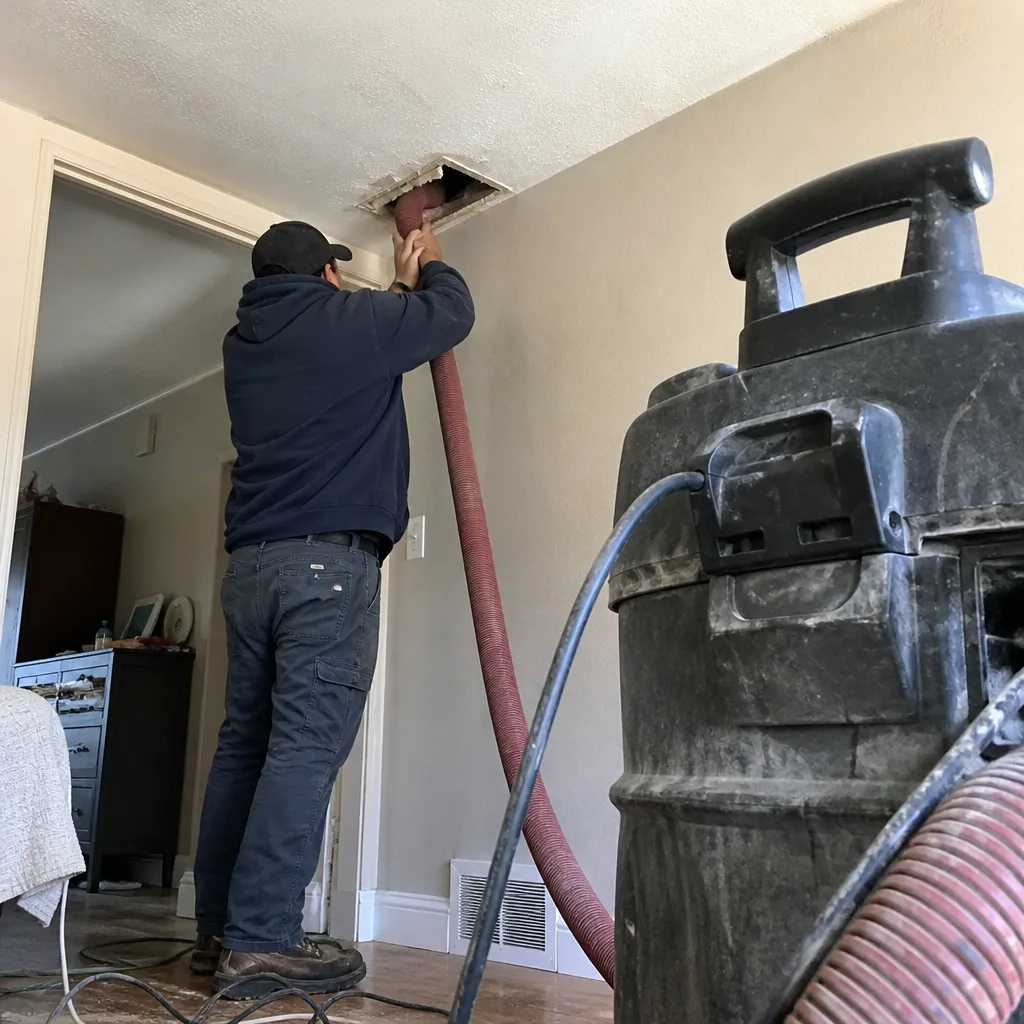 Before
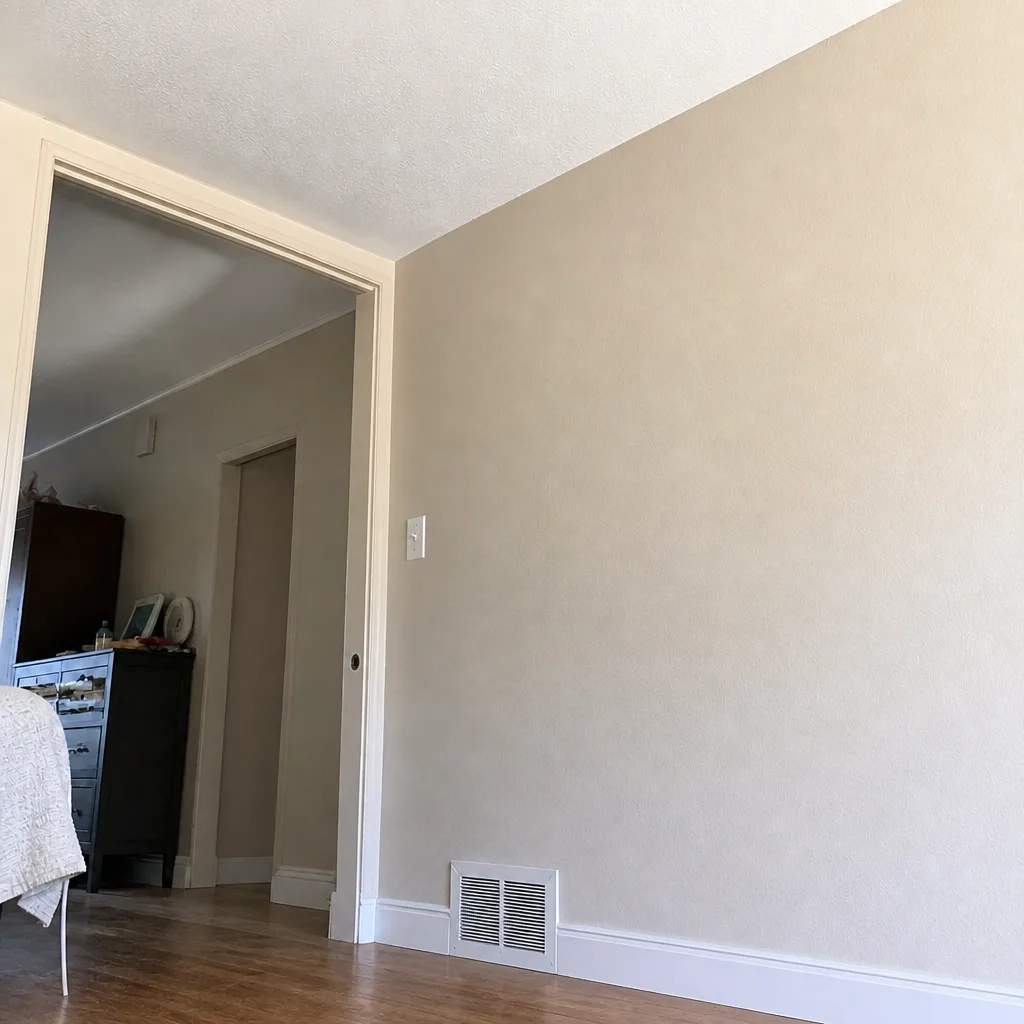 After
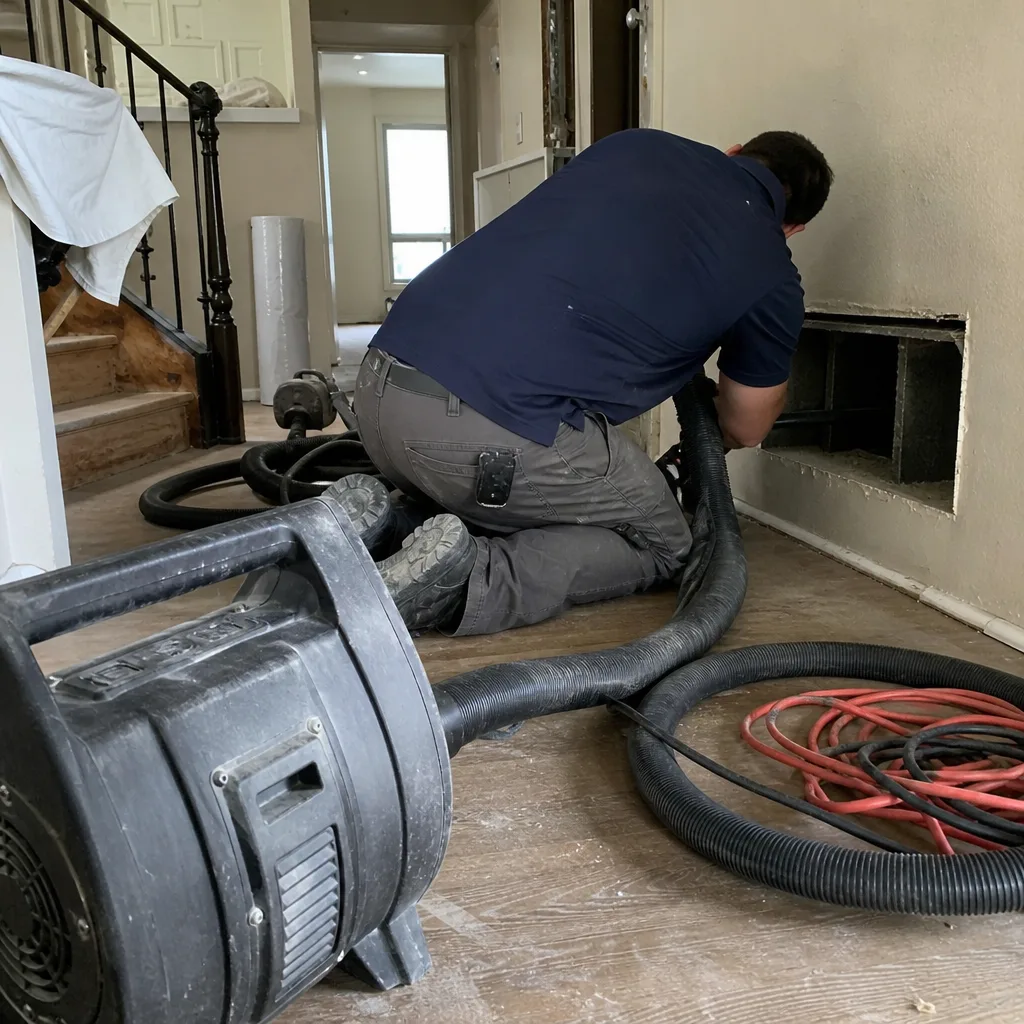 Before
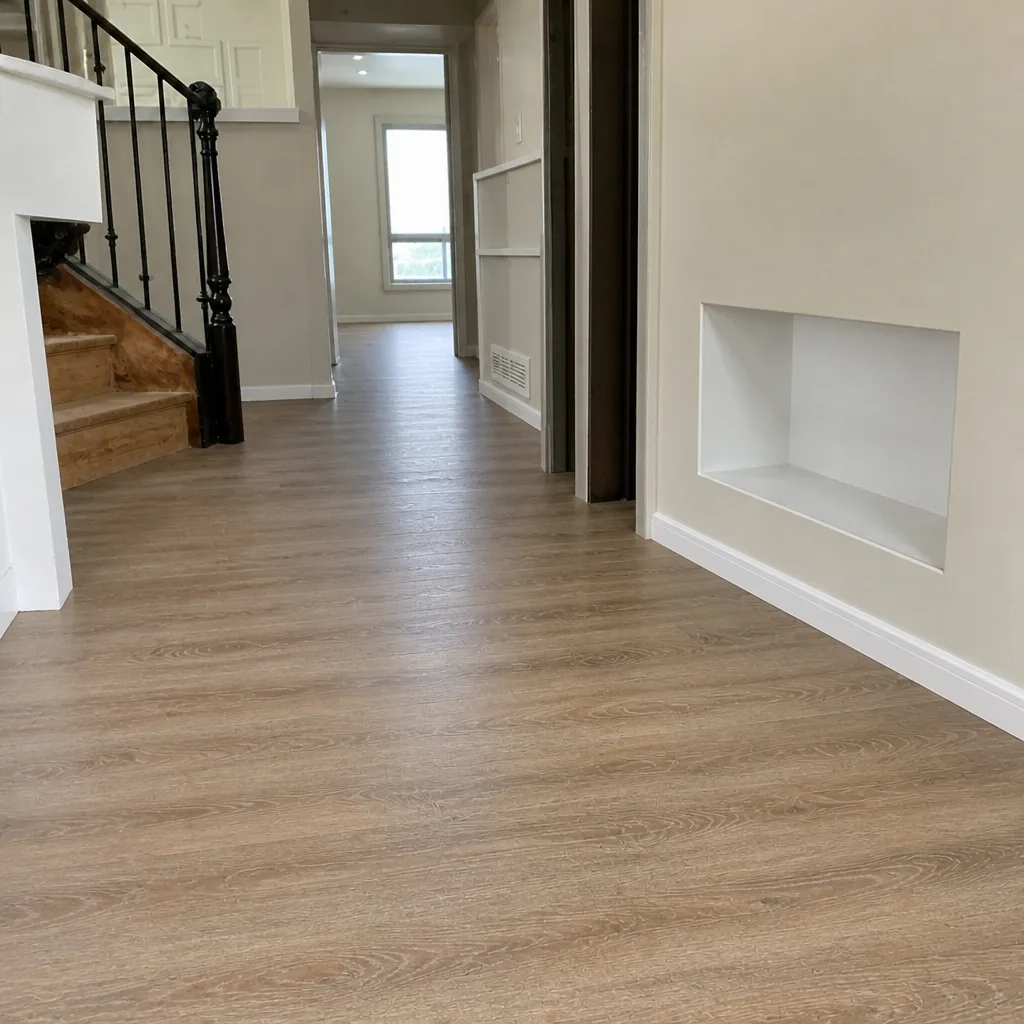 After
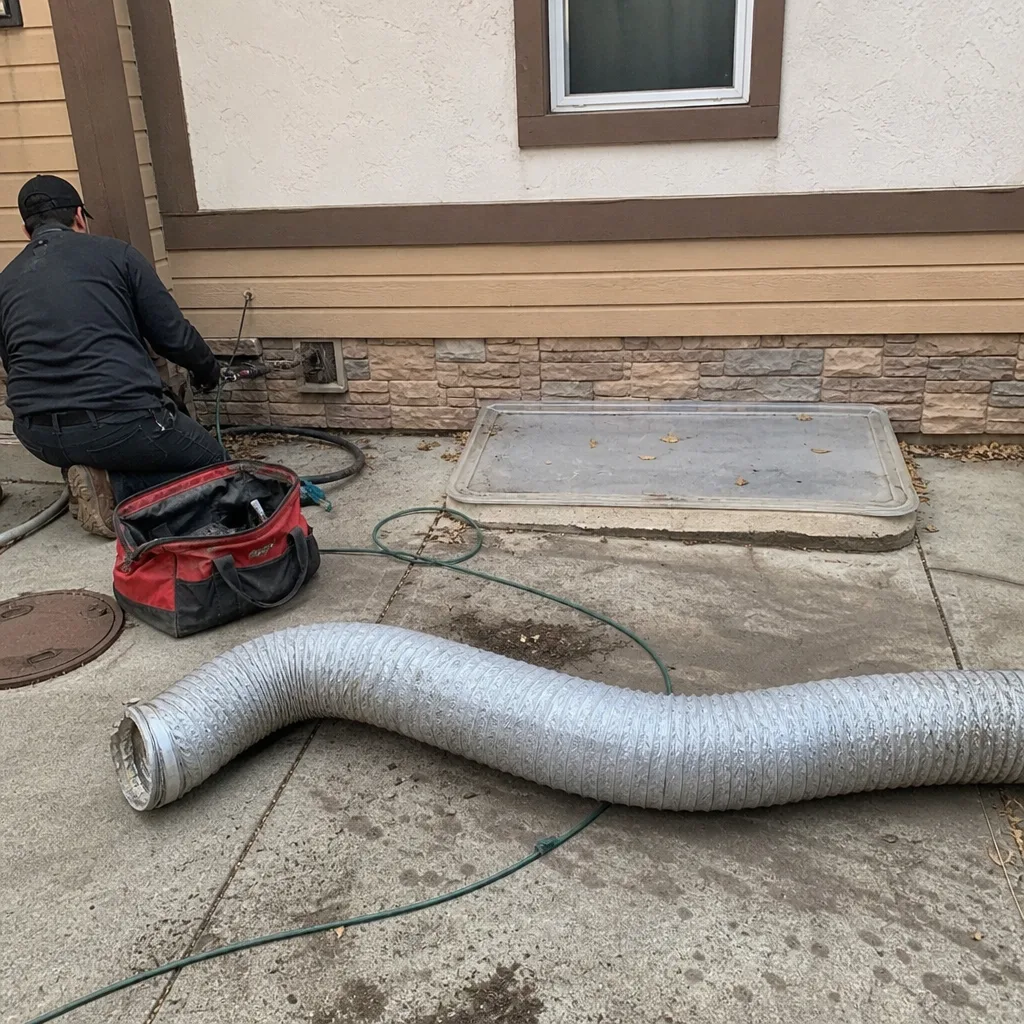 Before
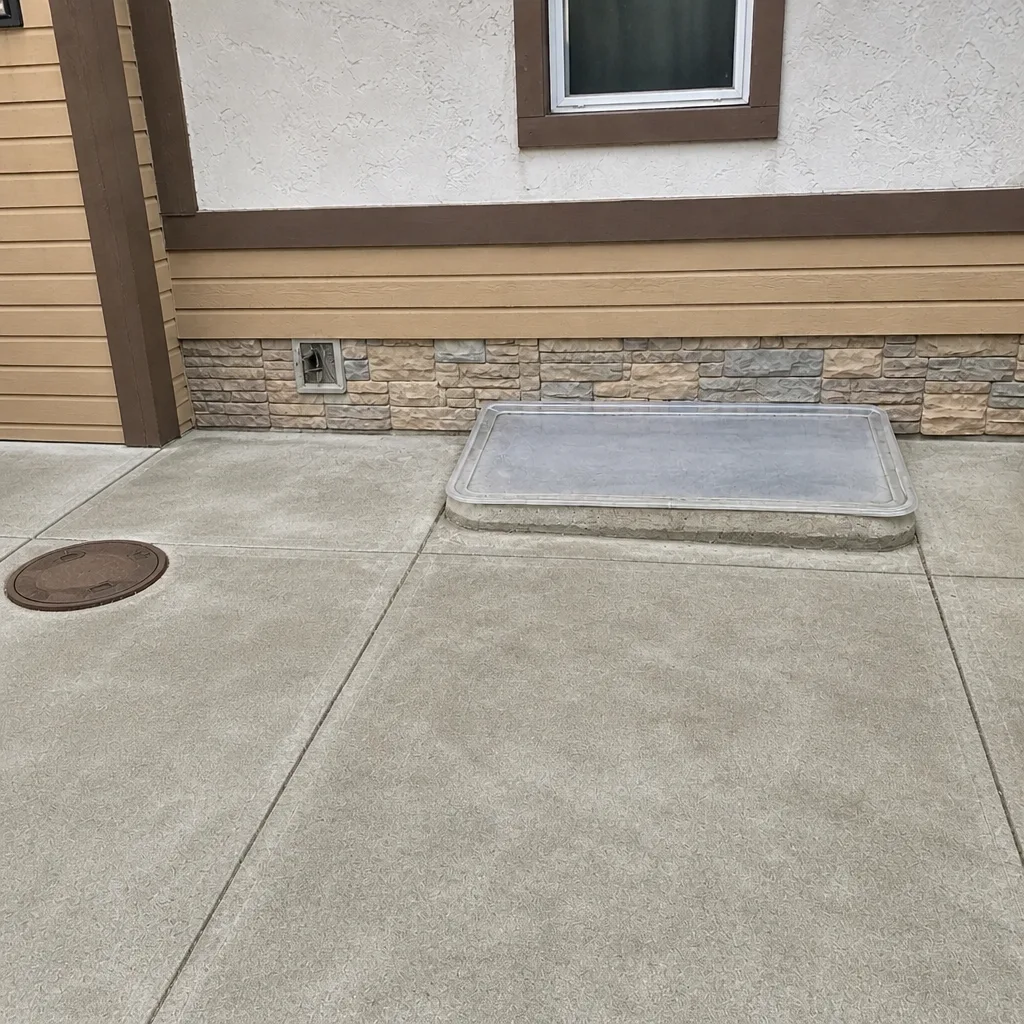 After
Frequently Asked Questions
Most Lakewood homes need a professional cleaning every two to four years, guided by a yearly inspection rather than a fixed number. Homes with pets, allergy-sensitive occupants, or proximity to construction corridors often need the shorter end of that range. Homes with newer ductwork and strong filtration can go longer. Call (877) 820-8391 for an exact quote, estimates are free.
Pricing is set per system, not per vent, and the written estimate you receive before work starts is the final price. Whole-system cleaning typically runs in the range you’d expect for a full-scope job that includes the return side, supply runs, blower, and sanitizing, and the exact number depends on your system’s size, layout, and condition. We don’t quote teaser coupon prices. Call (877) 820-8391 for a free estimate.
Low quotes usually cover surface-level work: a pass over the grilles and a vacuum at the main trunk, without the return side, blower, or containment equipment. The low price often becomes a much larger invoice once the technician is on site and “finds” problems. Ask every provider for one flat price per system, agreed before work starts, and before-and-after photos of your own ducts. Call (877) 820-8391 to compare an honest whole-system estimate.
Ask for before-and-after photos of your own system, not stock images, and ask what equipment was used. Professional cleaning uses rotary-brush and high-capture equipment, like the Rotobrush and Nikro systems we run, plus HEPA filtration and negative-air containment on heavier jobs. A provider who can’t show you photos of your ducts is a provider to question. Call (877) 820-8391 to book a cleaning you can verify.
Yes. PM2.5 from wildfire smoke is small enough that most standard residential filters capture only part of it, and the fraction that gets through settles on duct surfaces and the blower. Once it’s there, it can be re-entrained into the airstream every time the fan runs. If your home has been through heavy smoke and the ducts are due, cleaning removes what filtration can’t. Call (877) 820-8391 for an inspection.
No. A shop vac reaches the grille and the first few inches of duct but can’t touch the trunk lines, the blower, or the return plenum, and it can push contamination deeper into the system. Professional cleaning uses negative-air containment and high-capture vacuums to remove contamination rather than redistribute it. Call (877) 820-8391 to schedule a proper cleaning.
The Bottom Line
Lakewood duct systems face four seasonal stress periods, each delivering a different contamination load and each calling for a different response. Spring is pollen and post-winter buildup, best handled with a pre-season inspection. Summer is wildfire smoke and PM2.5, where filtration helps but cleaning removes what filters can’t. Fall is the first-furnace-run diagnostic and the best window for a cleaning plus duct repair and sealing. Winter is the sealed-house months, when reduced ventilation accelerates accumulation in the ducts. Build a rolling 12-month calendar around your home’s age, filtration level, and occupancy, and let visual checks and the first furnace run drive the schedule. One call covers your ducts, vents, HVAC, and air quality, with professional-grade equipment and one flat price per system agreed before work starts.
Ready to put a seasonal plan together for your Lakewood home? Call Lakewood Air Duct Cleaning Co at (877) 820-8391 for a free estimate. We answer 24/7. Fast dispatch from 7am to 7pm, Sunday through Friday. You’ll get a written estimate before any work begins, before-and-after photos of your own ducts, and a satisfaction guarantee behind the job. Learn more about Lakewood Air Duct Cleaning Co, or call today to book your inspection and start your year-round care plan.
Written by the team at Lakewood Air Duct Cleaning Co.