
Last updated November 25, 2026
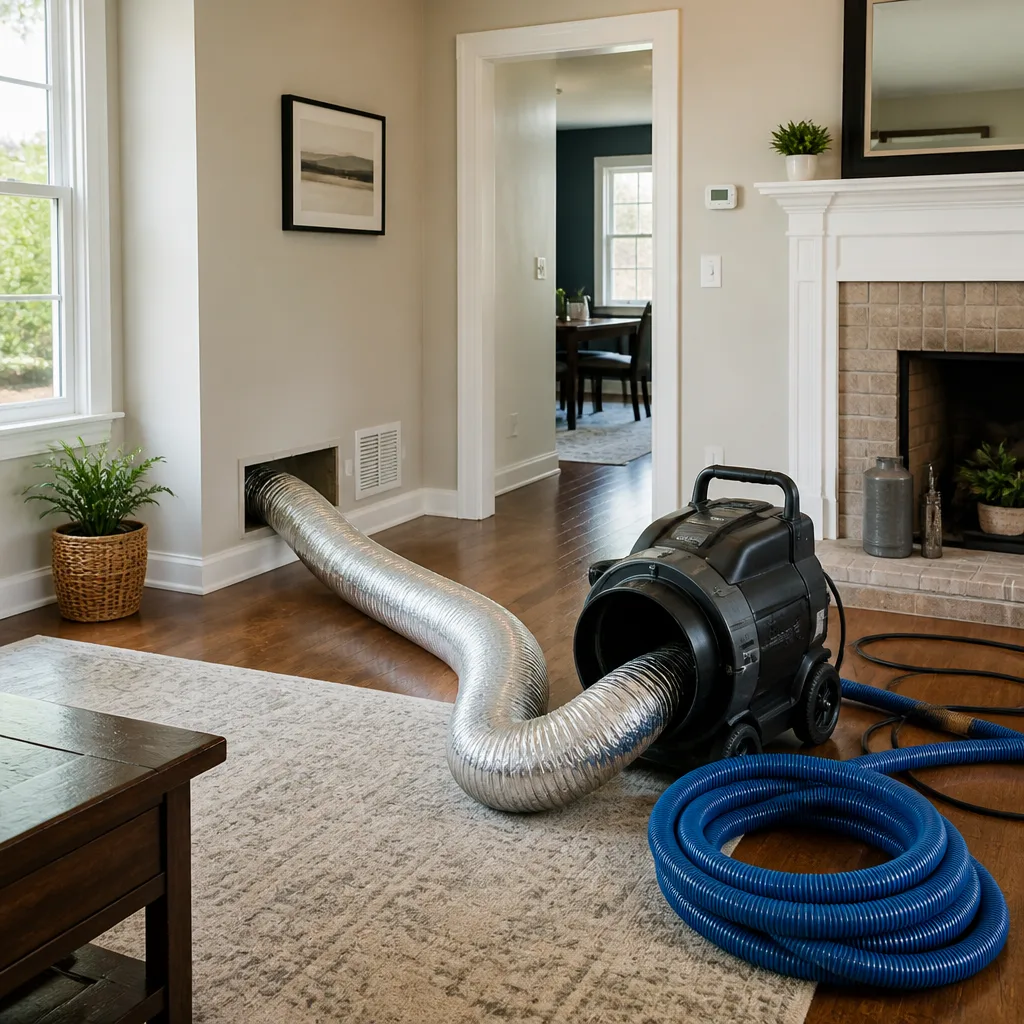 Whole-home duct cleaning
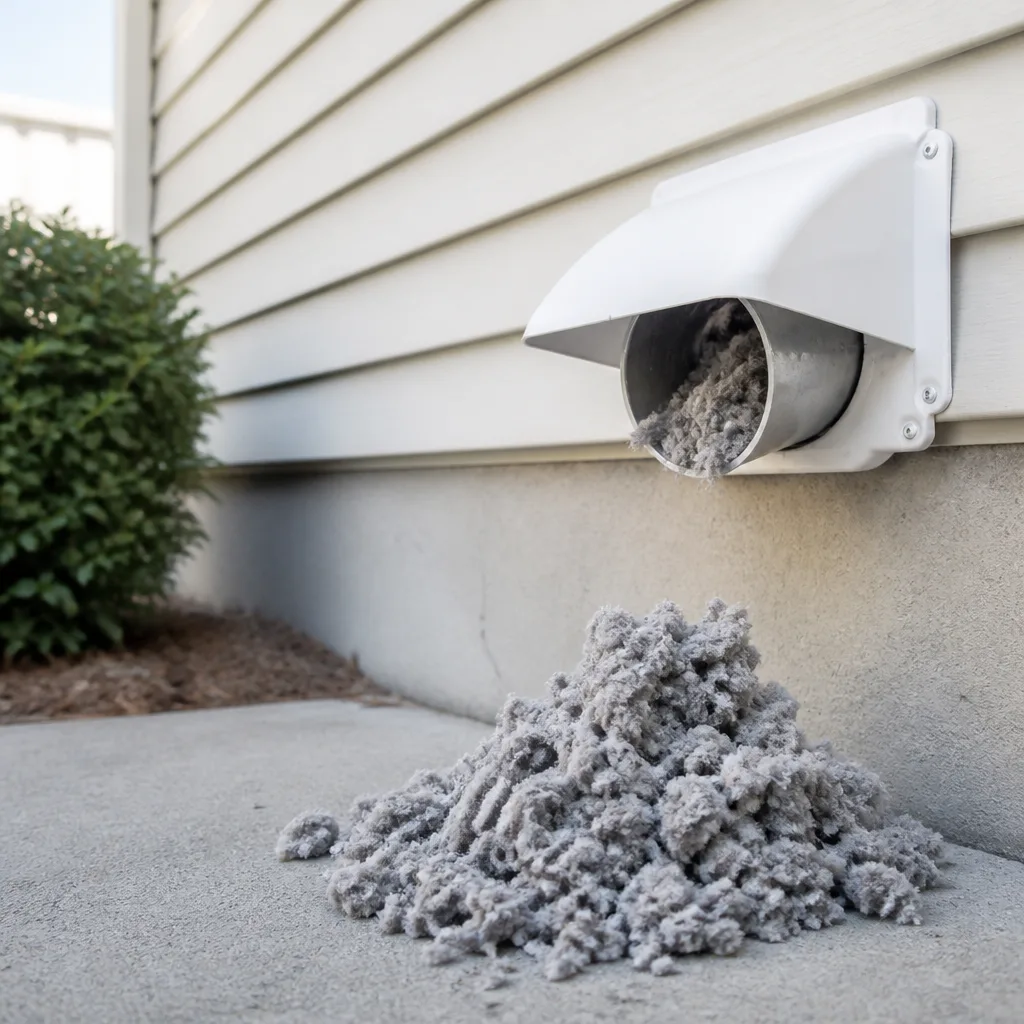 Dryer vent cleaning
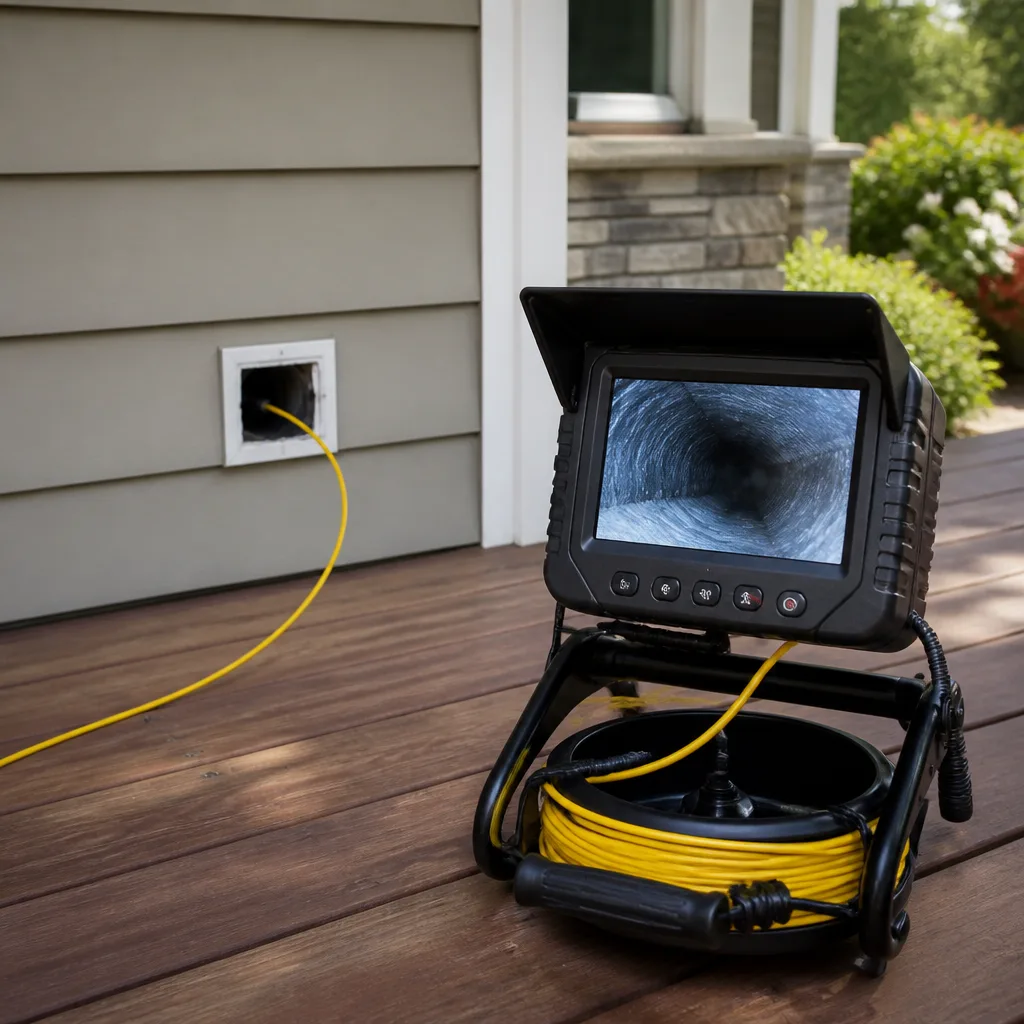 Camera inspection
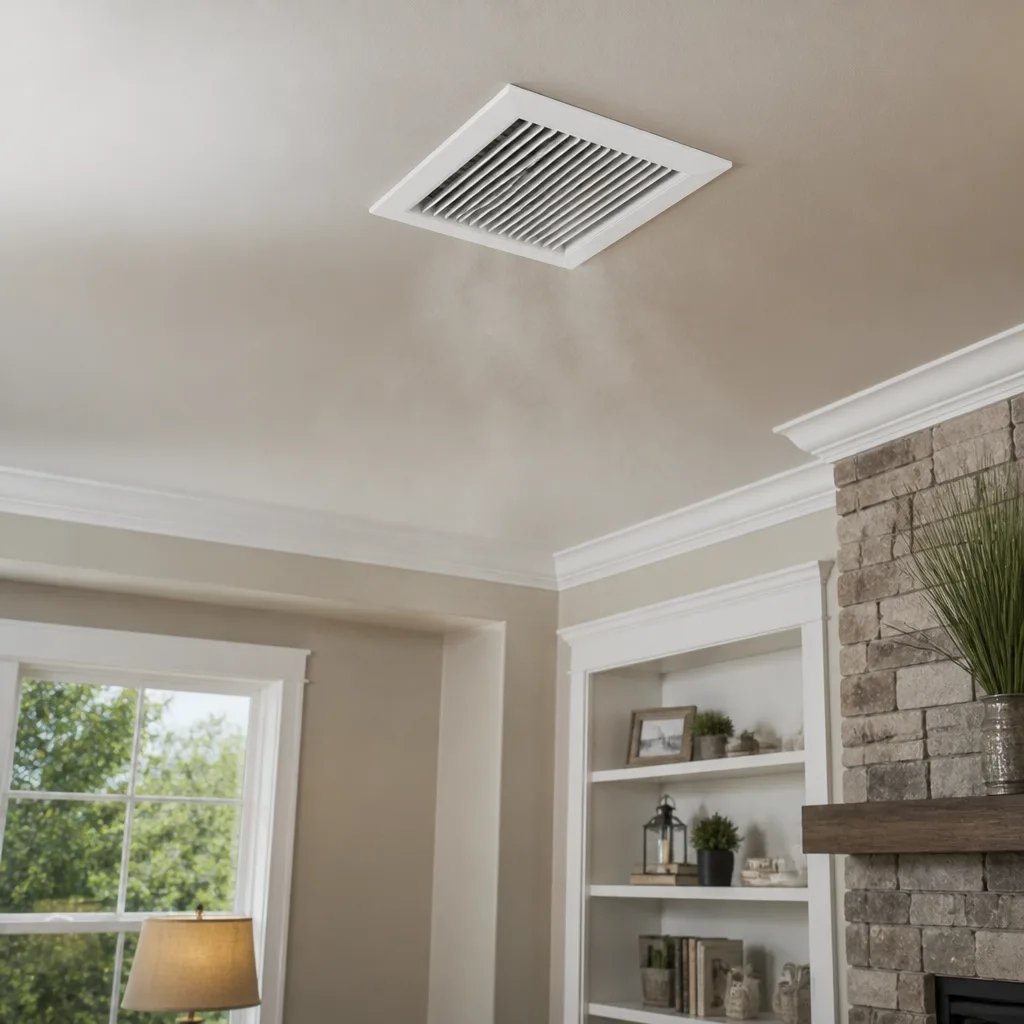 Sanitizing & deodorizing
Whole-system duct and dryer vent check with before-and-after photos - you see exactly what came out of your vents
That "$99 whole-house special" is a bait ad - the real number appears once they are in your hallway, or the "clean" is a shop-vac at the register. We photograph the inside of your ducts before and after instead.
The Complete Guide to Air Duct Cleaning in Lakewood
Most people assume duct cleaning is about dust. It isn’t, at least not mostly. The dust you see on a register is the least interesting part of the story. What matters is what’s settled in the trunk lines, clinging to the seams, and cycling back through the blower every time the system kicks on. Here in Lakewood, that story has a local twist. Our elevation, our long dry stretches, our wildfire smoke seasons, and the age of our housing stock all shape how much contamination a duct system collects and how hard it is to remove. This guide walks through what a genuinely thorough job looks like, from the first inspection to the final verification report, so you can tell the difference between real cleaning and a truck that blows air around and leaves.
Quick Answer
A complete air duct cleaning in Lakewood is a diagnostic, source-removal process: the technician inspects the system with a camera, sets up HEPA-filtered negative air pressure to capture debris at the source, cleans every branch and trunk line with rotary brushes and contact tools, seals any leaks found, and verifies the result with before-and-after documentation. It is not a quick vacuum of the registers. A proper job on a typical Lakewood home takes several hours and produces a written report showing what was removed and what was measured.
Styles & brands we work with
- Whole-home duct cleaning
- Dryer vent cleaning
- Camera inspection
- Sanitizing & deodorizing
Table of Contents
- Why Lakewood’s Altitude and Air Change How Ducts Get Dirty
- Source Removal vs. Blow-and-Go: What the Difference Actually Means
- What Equipment Should Be on Site for a Real Cleaning
- The Full Cleaning Process, Step by Step
- Why 1960s – 1990s Lakewood Homes Need Extra Access Points
- How to Read a Post-Job Inspection Report
- Duct Repair and Sealing: Fixing the Cause, Not Just the Symptom
- What Air Duct Cleaning Costs in Lakewood
Why Lakewood’s Altitude and Air Change How Ducts Get Dirty
Lakewood sits in an elevation band between roughly 5,400 and 5,700 feet, and that number matters more than most homeowners realize. At this altitude, air is thinner. A blower moving the same volume of heated or cooled air has to work harder to push it through the same ductwork, which means more runtime, more air velocity at the seams, and more particulate pulled past the filter and deposited along the interior walls of the ducts. The system isn’t failing. It’s just doing more work per hour than the identical system would at sea level, and that extra work leaves a signature inside the ducts.
Layer onto that the Front Range particulate load. Lakewood gets the dry, windy spring days that lift fine dust off open ground, and it gets the summer and fall wildfire smoke seasons that push fine ash and combustion particles into the outdoor air. Those particles are small enough to slip past standard filters and settle in the duct system, especially in the return-side trunk lines closest to the air handler. Homes near the foothills tend to see it first, but it’s a citywide pattern, not a neighborhood quirk.
What this means practically:
- Higher particulate loading between cleanings. A Lakewood duct system can accumulate debris faster than the national average because of altitude-driven runtime and seasonal smoke events.
- Return-side contamination matters most. The return ducts pull air back through the system, so they collect the highest concentration of fine particles. If a cleaning crew only touches supply registers, most of the contamination is untouched.
- Dry air accelerates dust shedding. The low humidity common here makes settled dust more mobile, so it re-enters the airstream more readily once the blower starts.
This is why a cleaning schedule copied from a coastal city or a humid climate doesn’t fit Lakewood. Homes here often benefit from more frequent inspection than the standard “every three to five years” advice suggests, especially during a heavy smoke year or when a household has pets, allergies, or recent remodeling dust.
Source Removal vs. Blow-and-Go: What the Difference Actually Means
The low-price duct cleaning offers you see circulating in the Denver metro usually rely on one of two shortcuts. The first is a household-grade vacuum attached to a register with a spinning brush, which loosens debris but doesn’t capture it downstream. The second is a “blow-and-go” approach: compressed air is pushed through the ducts to knock contamination loose, and the technician leaves before it settles back down. Both methods produce visible results at the register. Neither removes the source.
Source removal works the opposite way. The technician establishes negative pressure across the entire duct system first, using HEPA-filtered negative air machines to pull a slight vacuum on the whole network, then cleans with rotary brushes and contact tools while the capture equipment runs. Debris gets pulled toward the filter, not pushed into the living space. When the job is done, the contamination has been physically removed and captured, not redistributed.
Here’s the practical test you can apply to any quote you receive in Lakewood:
- Ask what capture equipment will be used. A legitimate answer names HEPA filtration and negative air pressure. A vague answer (“a big vacuum”) is a red flag.
- Ask whether the return side is included. If the quote only mentions supply vents, the job is incomplete.
- Ask whether you’ll receive before-and-after photos and a written report. If the answer is no, there’s no way to verify the work was done.
- Ask how access points will be created. A real cleaning on many Lakewood homes requires cutting access ports at specific points along the trunk line, then resealing them. A crew that never plans to cut anything is cleaning only what it can reach through the registers.
This is the standard we hold to on every job: we clean it, seal it, and test it, not just blow it out. That approach is what separates an air duct cleaning that’s worth the invoice from one that leaves you wondering what you paid for.
What Equipment Should Be on Site for a Real Cleaning
You don’t need to inspect the equipment yourself, but knowing what a proper setup looks like helps you ask sharper questions. A full-scope cleaning on a Lakewood home should bring three categories of gear: capture equipment, contact cleaning tools, and inspection cameras.
Capture equipment. Abatement Technologies negative-air and HEPA filtration units are the same tools used in professional mold and contaminant abatement work. When you see that class of equipment on site, the technician is treating your residential ducts with a remediation-level standard of capture, not a shop-vac shortcut.
Contact cleaning tools. Rotobrush rotary-brush systems are the industry standard for duct interiors, and they’re what commercial HVAC contractors use. Nikro professional HVAC cleaning units are engineered for high-capture contaminant removal and pair with the rotary brushes to clean every branch line, not just the trunk.
Inspection cameras. A video scope lets the technician document the interior condition before cleaning, identify the problem areas, and then re-inspect the same sections afterward. This is where the before-and-after documentation comes from, and it’s the difference between “we cleaned it” and “here’s what we found and here’s what changed.”
If you also want to address ongoing air quality after the cleaning, we stock and service Honeywell and Aprilaire whole-home air quality products. That bridges the gap between a one-time cleaning and the filtration and humidity management that keeps ducts cleaner between visits. It’s a natural extension of the same work, not an upsell tacked onto the end of the job.
The Full Cleaning Process, Step by Step
Every full-scope job follows the same sequence, whether it’s a small Lakewood bungalow or a larger ranch home with multiple returns. The order matters, because skipping a step undermines the ones after it.
- Initial inspection and system mapping. The technician scopes the ductwork, counts the branch lines and returns, and notes any visible damage, disconnected sections, or access limitations. This is where the plan gets built.
- Access port creation. On most homes, several access points need to be cut along the trunk line to reach every branch. Each port is sealed afterward with a proper cap or gasket.
- Negative pressure setup. HEPA-filtered negative air machines are connected and sealed to the system, creating a slight vacuum that pulls debris toward the capture point rather than into the living space.
- Contact cleaning. Rotary brushes and agitation tools run through every branch and trunk line, dislodging settled debris into the airstream where the negative pressure captures it.
- HVAC component cleaning. The blower, evaporator coil, and drain pan are cleaned as part of the same visit. Cleaning ducts without cleaning the coil that sits downstream of them just re-contaminates the system. This is one reason we handle HVAC cleaning as its own service line.
- Sanitizing. After cleaning, a post-clean sanitizing application treats the interior surfaces to reduce remaining microbial growth. It goes on after the cleaning, never before, so the surfaces are clean when it’s applied.
- Sealing and reconnection. Any leaks, disconnected sections, or compromised joints found during inspection are sealed. The access ports are closed and gasketed.
- Verification and documentation. The technician re-scopes the cleaned sections, captures before-and-after photos, and produces a written report describing what was removed, what was sealed, and what was measured.
Two additional services often attach to the same visit. Dryer vent cleaning is offered as its own service line because lint buildup is one of the leading causes of residential fires, and it’s a fire-safety service rather than a comfort service. If it’s been years since the dryer vent was cleaned, it belongs on the same schedule. You can read more about that side of the work on our dryer vent cleaning page.
Why 1960s – 1990s Lakewood Homes Need Extra Access Points
The housing stock across Lakewood spans a wide range of eras, and the 1960s through 1990s ranch-style builds have a distinct duct configuration that changes how a cleaning has to be run. These homes were typically built with rigid sheet-metal trunk lines and short branch runs to floor registers, often with limited attic or crawlspace access. That layout is workable, but it wasn’t designed with cleaning in mind, and the branch connections are frequently concealed behind finishes.
What that means in practice:
- More access ports are needed. Cleaning every branch of a 1970s ranch home may require four to six access points where a newer build needs two or three. That’s extra time and extra sealing work, but skipping the ports means leaving the deepest branches untouched.
- Scoping is mandatory. Because the ductwork is often hidden and sometimes modified over the decades, a video scope is the only reliable way to know whether a section has been disconnected, crushed during a remodel, or is still intact.
- Return-side design varies widely. Some of these homes have a single large central return while others have multiple smaller returns. The cleaning plan has to account for which design the house actually has, not which one the technician expected.
- Original flexible duct may be degrading. In older homes, sections of flex duct can sag or develop holes that leak air into the attic. These get flagged in the inspection and addressed through the repair and sealing service.
We’ve seen this pattern enough in Lakewood that we plan for it on the front end. If your house was built in this era, expect the technician to budget time for scoping and access work before any cleaning starts.
How to Read a Post-Job Inspection Report
A post-job report is the objective record of what happened. If a contractor doesn’t provide one, you have no way to verify the work, and that’s exactly the problem this report solves. Here’s what a useful one contains, and what to look for when you read it.
Before-and-after photos. Interior images of the same sections, taken at the same points, showing the change in condition. If the report only has photos of the register grilles, that’s not enough. Ask for interior duct images from at least one trunk line and one branch.
System description. The report should describe the duct type (rigid, flex, or a mix), the number of branches and returns found, and the location and number of access ports cut and sealed.
Components cleaned. A list of what was cleaned beyond the ducts themselves, including the blower, coil, and drain pan, plus whether a post-clean sanitizing application was included.
Findings and repairs. Any leaks, disconnections, or damage found during the inspection, and what was sealed or repaired on the visit versus what was recommended for a separate repair visit.
Verification notes. The technician’s description of the post-cleaning re-inspection, including whether the branch lines were confirmed clean on camera.
Read the report the same day and compare it to the estimate you were given. A well-run job produces a report that reads like a record of work done, not a sales brochure for a follow-up visit.
Duct Repair and Sealing: Fixing the Cause, Not Just the Symptom
Cleaning a duct system that leaks is a short-term fix. Leaks at joints, seams, and disconnected sections let conditioned air escape into attics and crawlspaces, and they let unfiltered air from those spaces get pulled into the return system. That’s recontamination, and it happens within months of a cleaning if the leaks aren’t addressed. It’s also why energy bills creep up: the system is heating and cooling air that never reaches the living space.
Duct repair and sealing is a named service for that reason. It isn’t an optional add-on. During the inspection, the technician identifies leaks and disconnected sections, and during the cleaning visit or a follow-up, those points are sealed. In older Lakewood homes, this often means reconnecting a branch that came loose years ago, resealing joints that were mastic-taped once and have since dried out, or replacing a section of sagging flex duct.
When the repair and the cleaning happen in the same relationship, you’re not left coordinating between a cleaning company and a separate HVAC contractor. One call covers ducts, vents, HVAC, and air quality. That’s the practical reason the service scope is built around a single point of contact for the whole system.
What Air Duct Cleaning Costs in Lakewood
Pricing on air duct cleaning in the Lakewood market varies with the size of the system, the number of access points required, and whether repair or sealing work is included. The ranges below are typical estimates for the local market, not exact quotes. The written estimate sets the final price, and we keep it to one flat price for the system agreed before any work starts.
- Standard residential system cleaning (single HVAC system, supply and return): typically $375 – $675
- Larger or multi-zone home with extra returns and branches: typically $650 – $1,050
- Access port work on older homes requiring additional cuts and sealing: typically $75 – $200 in additional labor
- Duct repair and sealing (per section or joint, depending on scope): typically $150 – $500
- Dryer vent cleaning as a standalone service: typically $120 – $225
- Post-clean sanitizing application: typically $95 – $250, depending on system size
That pricing structure is deliberately not a per-vent or coupon figure. Bait-and-switch duct cleaning prices depend on quoting a low teaser rate for “the whole house” and then discovering on site that the price only covered the supply registers, or that the return side and coil cleaning cost extra. One flat price per system, agreed before work starts, with before-and-after photos of your own ducts included, is the structure we use because it removes the only real source of tension in this trade.
If you want a clearer picture of what goes into a quote, our main page at Lakewood Air Duct Cleaning Co goes through the service scope in more detail. For an exact number for your home, call (877) 820-8391 and we’ll put together a written estimate.
Common Mistakes to Avoid
- Hiring on the lowest advertised price. In this market, a rate low enough to stand out on a mailer almost always turns into a larger invoice once the technician is on site. Ask for the full scope in writing before work starts, including the return side and the coil.
- Skipping the return side. Many Lakewood homes have most of their contamination in the return ductwork, closest to the air handler. A cleaning that only covers supply registers misses the heaviest load.
- Not asking for before-and-after photos. If you can’t see the interior of your ducts before and after the job, you have no way to know what was actually removed. Ask for the report and read it.
- Confusing “air freshening” with real sanitizing. A spray that smells like a clean house isn’t sanitizing. Post-clean sanitizing treats the interior surfaces after mechanical cleaning, not before, and it isn’t a substitute for removing the debris first.
- Cleaning without inspecting for leaks. A cleaning on a leaking system gets partially undone within months. If the inspection doesn’t flag leaks or disconnected joints, ask why.
- Forgetting the dryer vent. Clogged lint is a fire-safety issue, not just an efficiency one. If it’s been years since the dryer vent was cleaned, put it on the same schedule as the ducts.
- Assuming a higher elevation means less maintenance. The opposite is often true. Thinner air and longer blower runtimes mean more particulate per hour through the system, not less.
See the difference
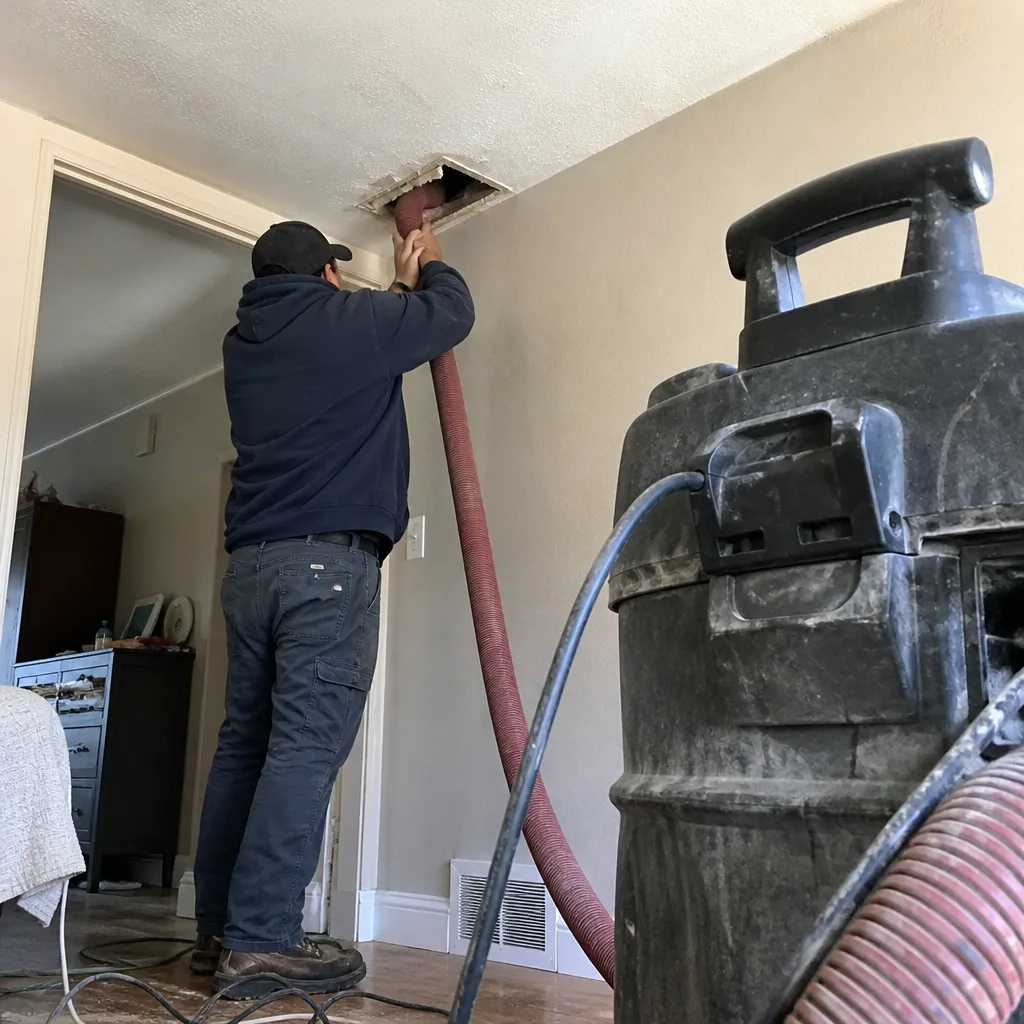 Before
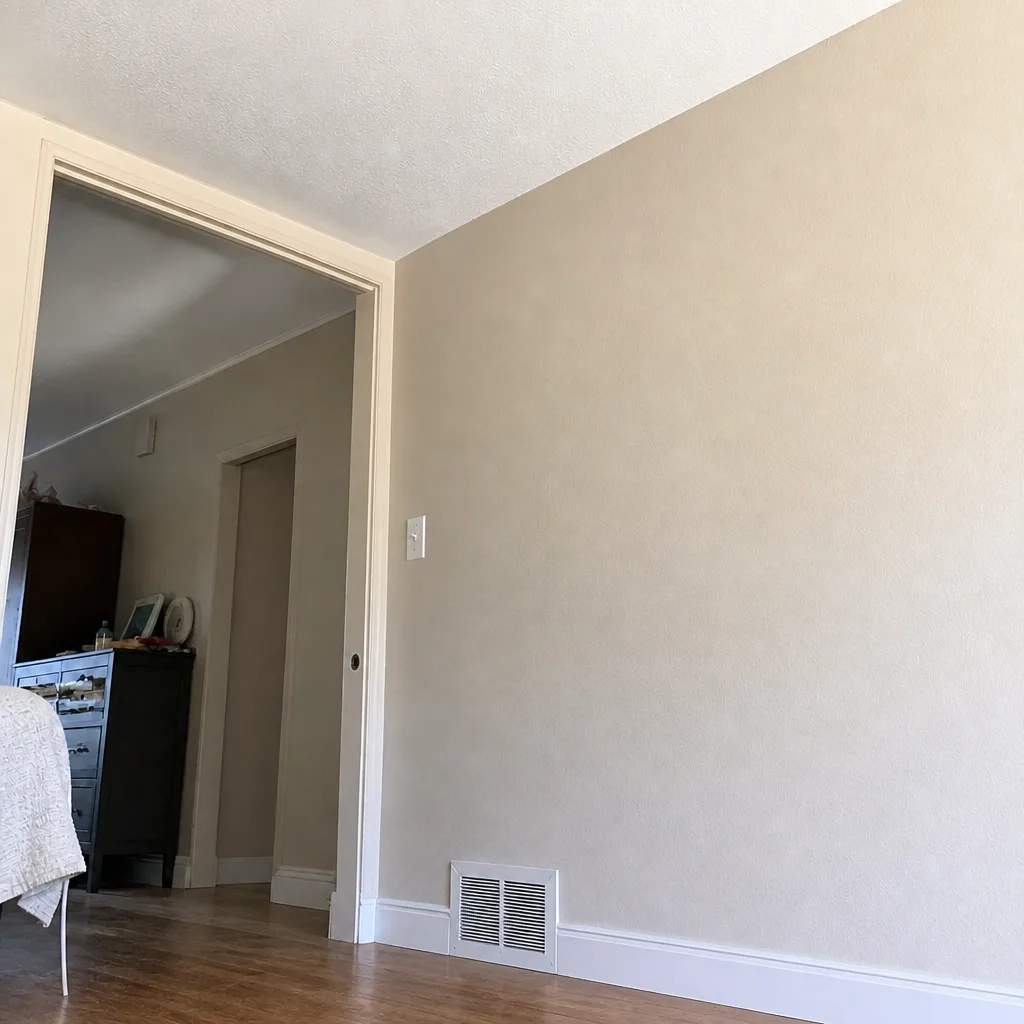 After
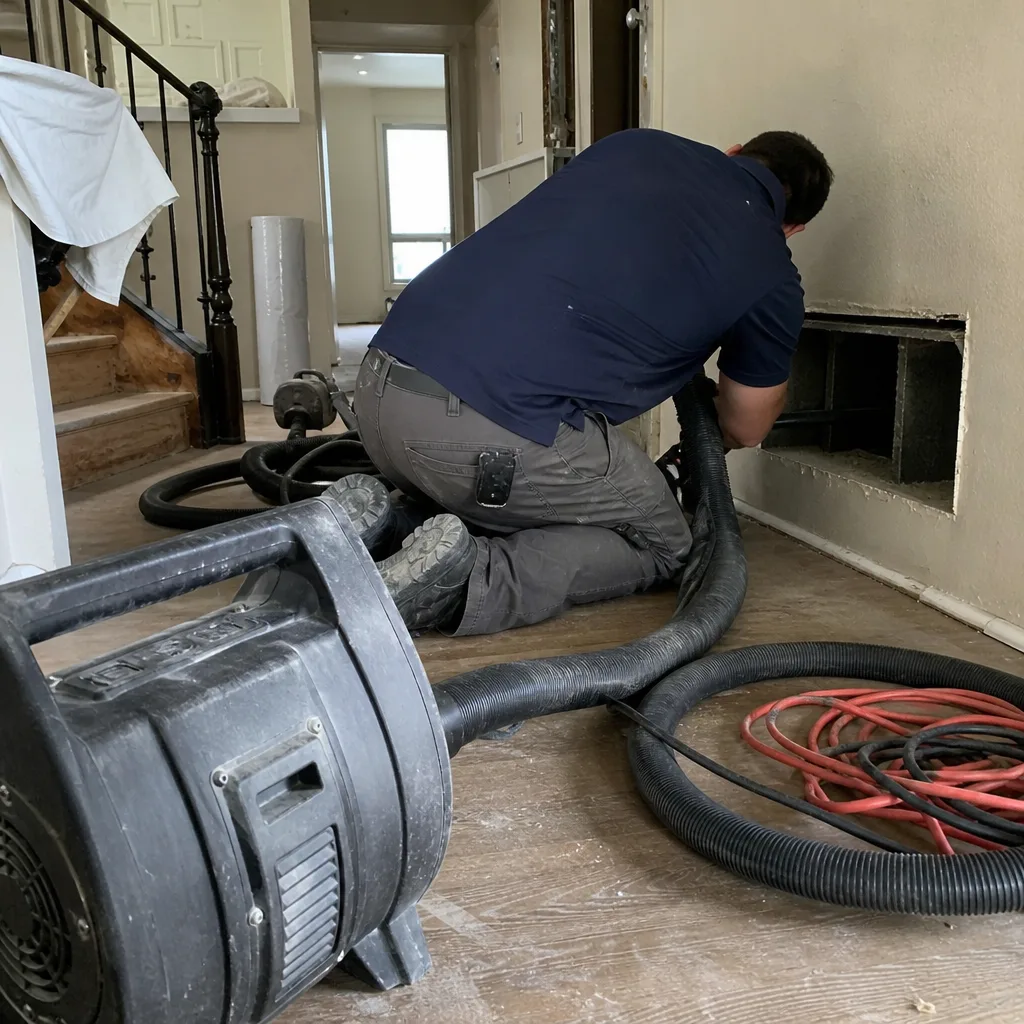 Before
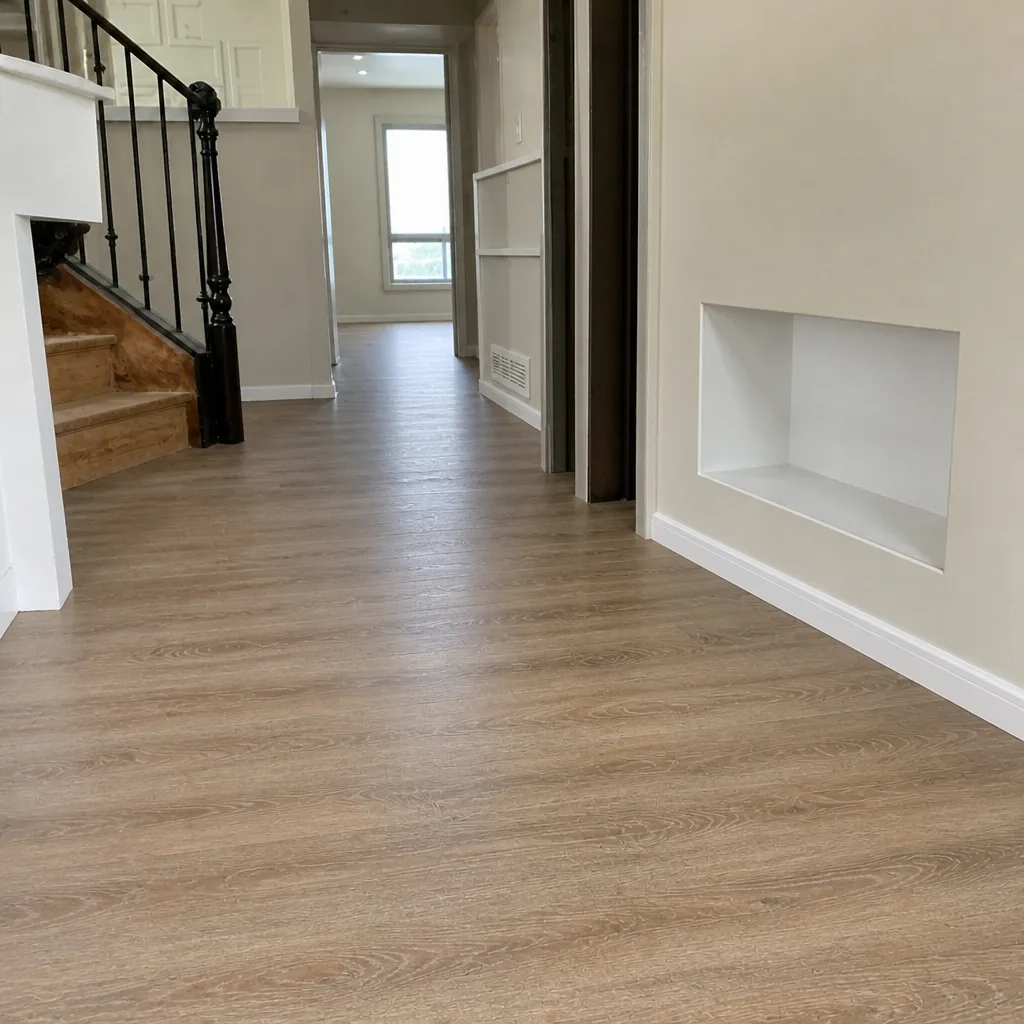 After
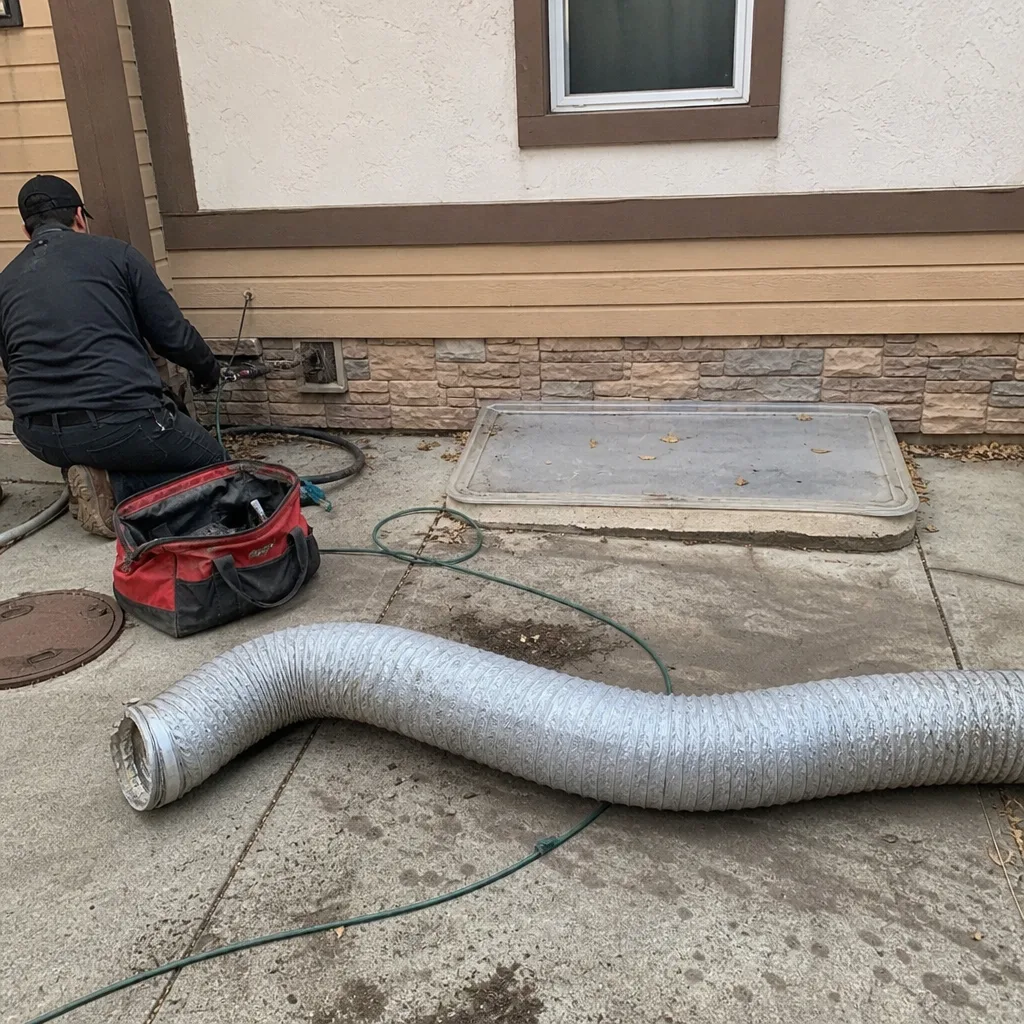 Before
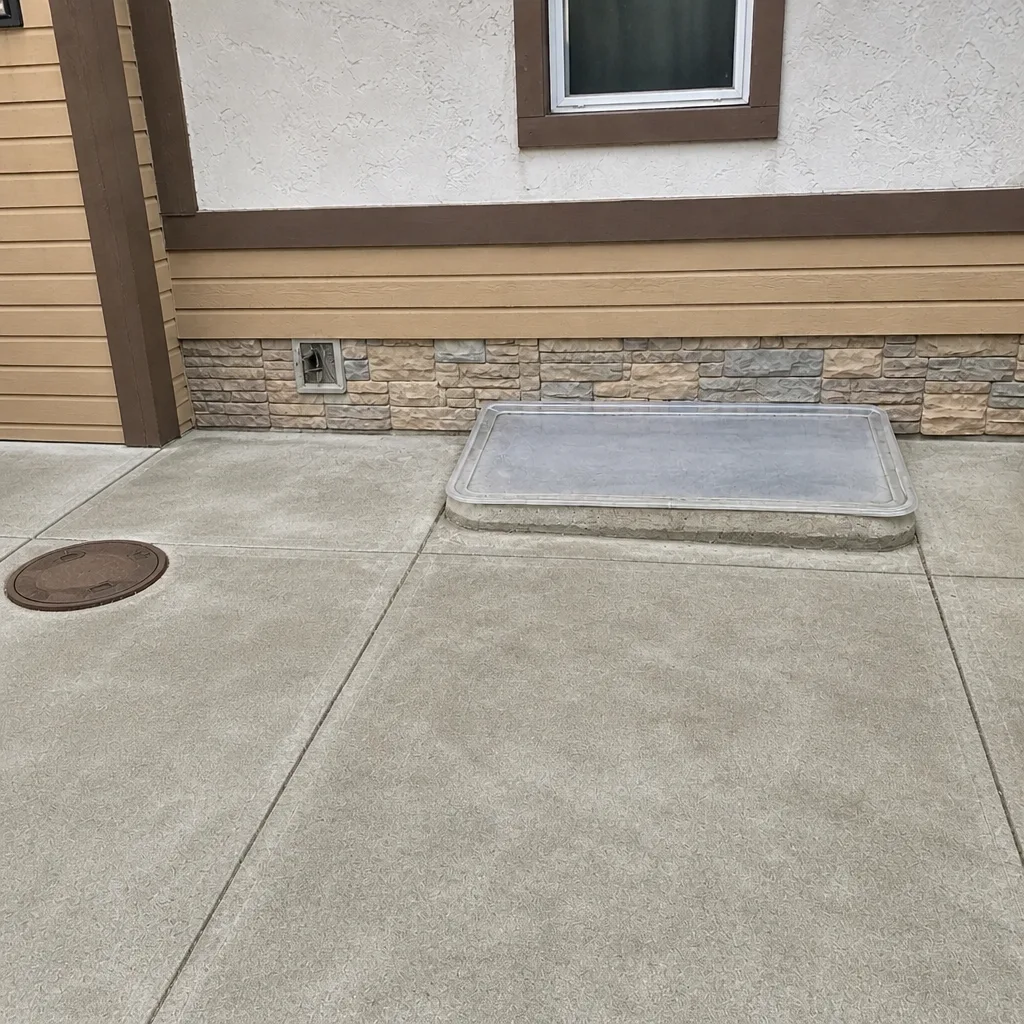 After
When to Call a Professional
Some signals point clearly to a professional cleaning rather than another home remedy. If you’re seeing a musty or stale smell when the air comes on, especially in the first few minutes of a heating or cooling cycle, that’s a sign of biological growth or settled debris in the ductwork or on the coil. If airflow is noticeably uneven between rooms, or a register feels weak compared to the ones nearby, the cause could be a disconnected branch or a crushed flex line found only on camera. If dust accumulates on surfaces within days of cleaning, or if filters clog far faster than they used to, the system is likely shedding contamination from inside the ducts. Persistent allergy symptoms that worsen indoors are another reason to inspect rather than guess. Lakewood Air Duct Cleaning Co offers free estimates in Lakewood – call (877) 820-8391 and we’ll scope the system and give you a straight answer on what needs doing.
Frequently Asked Questions
Most Lakewood homes benefit from an inspection every two to three years and a full cleaning every three to five, though the wildfire smoke seasons and higher altitude-driven runtime can justify a shorter interval. Homes with pets, recent remodeling dust, or allergy sufferers often need cleaning more often than the standard guideline. The right answer depends on what the inspection finds, so ask for a scoped assessment rather than a fixed schedule. Call (877) 820-8391 for an exact quote – estimates are free.
A standard single-system residential cleaning in the Lakewood market typically runs $375 – $675, and larger homes or those needing extra access port work run higher. The written estimate sets the final price, and it’s one flat price per system agreed before work starts. Call (877) 820-8391 for an exact quote – estimates are free.
Cheap quotes typically cover only the supply registers, not the return side, the coil, or the access work required to reach every branch. They also often skip the HEPA capture equipment and the post-job documentation that verify the work was done. The lower price is real, but so is the shorter scope. Call (877) 820-8391 for an exact quote – estimates are free.
You get before-and-after interior photos of the same duct sections, a written report describing what was removed and what was sealed, and a re-inspection on camera at the end of the job. On a proper full-scope cleaning, that documentation is standard. Call (877) 820-8391 for an exact quote – estimates are free.
Yes. At 5,400 to 5,700 feet, air is thinner, so the blower runs longer and moves more particulate per hour through the same ductwork than it would at sea level. Combine that with Front Range wildfire smoke seasons and dry air, and Lakewood duct systems accumulate fine debris faster than the national average. Call (877) 820-8391 for an exact quote – estimates are free.
We clean dryer vents as a dedicated service. Lint buildup in a dryer vent is one of the leading causes of residential fires, and it’s a separate job from duct cleaning with its own tools. Bundling it with a duct cleaning on the same visit is the efficient approach. Call (877) 820-8391 for an exact quote – estimates are free.
The Bottom Line
A real air duct cleaning in Lakewood is a diagnostic process, not a vacuum job. It starts with a camera inspection, uses HEPA-filtered negative pressure and rotary contact cleaning to remove contamination at the source, cleans the coil and blower alongside the ducts, seals leaks and disconnected sections so the work holds, and ends with before-and-after documentation you can actually read. The altitude, the Front Range particulate load, and the 1960s – 1990s housing stock all make the local version of this job slightly more involved than the national standard, and that’s fine as long as the scope and the price are agreed up front. Our technicians have up to 11 years of experience, and we run every job to that standard, one flat price per system, with photos of your own ducts in the report.
If you’re ready for a straight assessment of your system, call (877) 820-8391 for a free estimate. We answer 24/7. Fast dispatch from 7am to 7pm, Sunday through Friday.
Written by the team at Lakewood Air Duct Cleaning Co.