
Last updated November 25, 2026
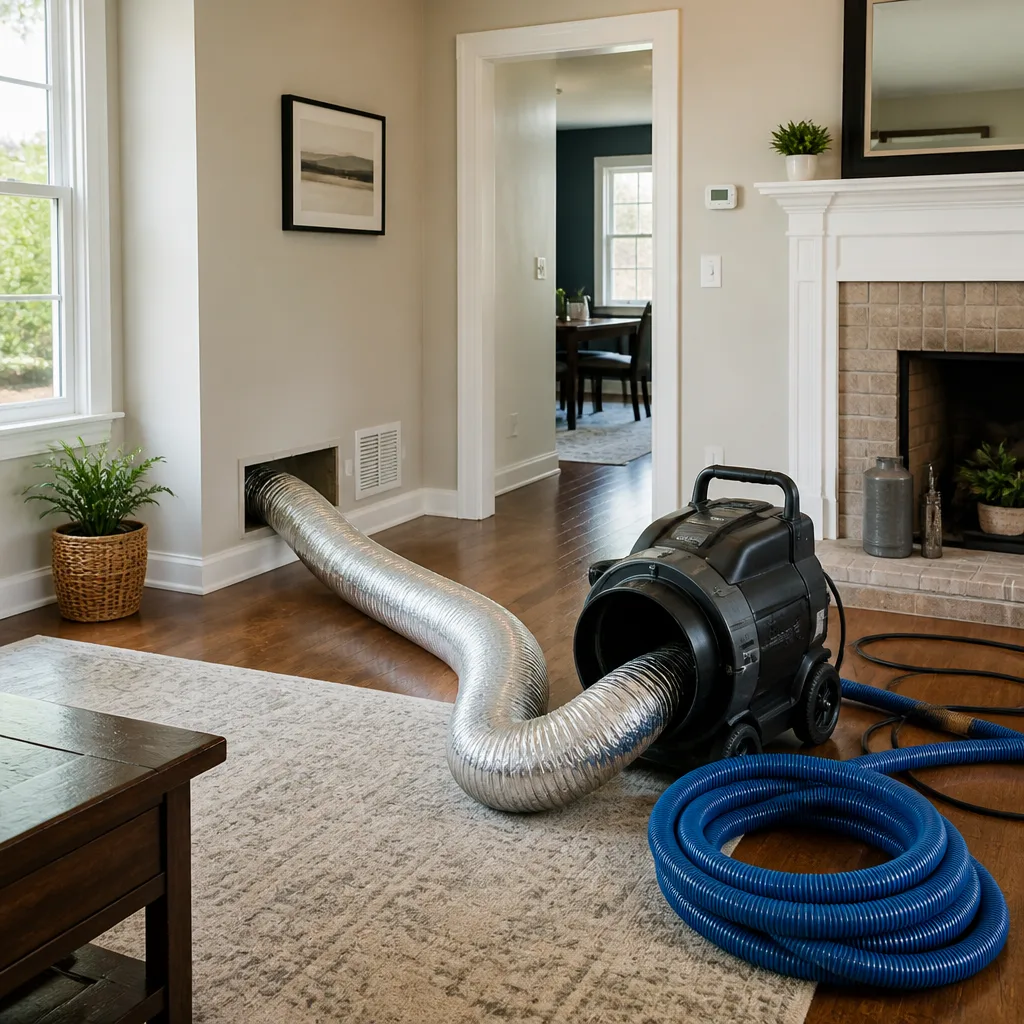 Whole-home duct cleaning
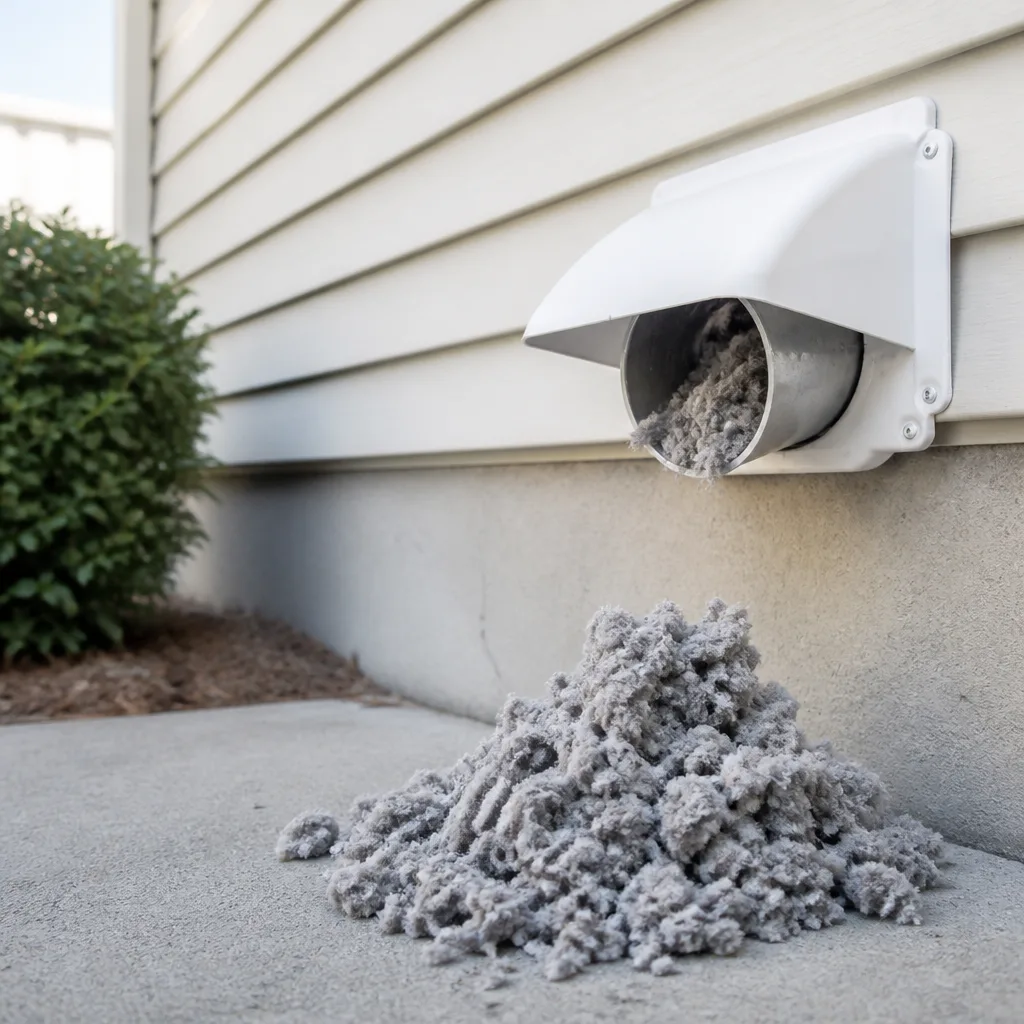 Dryer vent cleaning
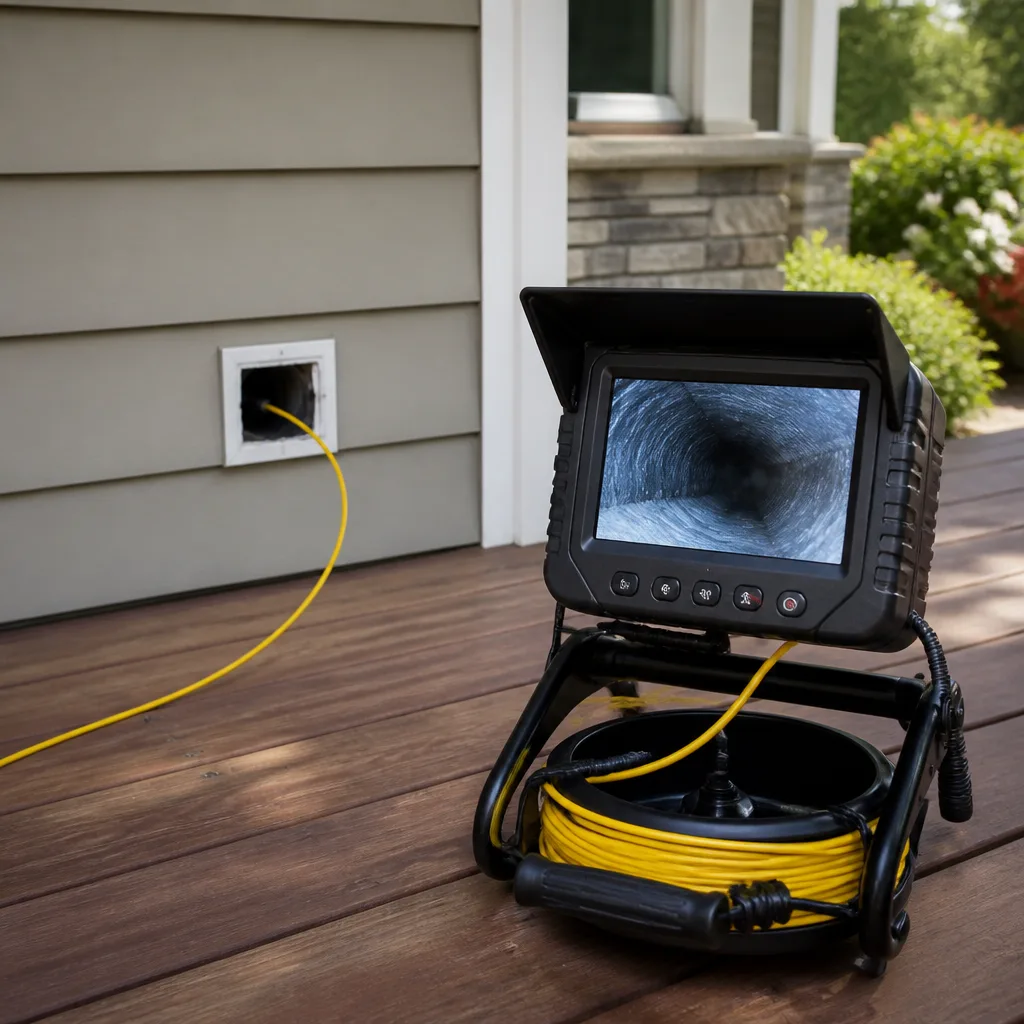 Camera inspection
 Sanitizing & deodorizing
Whole-system duct and dryer vent check with before-and-after photos - you see exactly what came out of your vents
That "$99 whole-house special" is a bait ad - the real number appears once they are in your hallway, or the "clean" is a shop-vac at the register. We photograph the inside of your ducts before and after instead.
How to Hire an Air Duct Cleaning Contractor in Lakewood: A Step-by-Step Guide
Colorado does not require a state license to perform air duct cleaning. Any company can legally show up at your door with a shop vac and call it professional duct cleaning. That fact alone should change how you shop. Most homeowners in Lakewood compare contractors on price and star ratings, then feel uneasy when a technician arrives and the quote starts climbing. The ratings won’t protect you. What protects you is knowing what to ask before you book, what the answers should sound like, and how to spot a bid structure that’s built to expand once the work begins. This guide gives you that process: five equipment questions, a way to tell NADCA membership from true certification, the mechanics of the $49 special, and the deliverables a real contractor leaves behind in Lakewood when the job is done.
Quick Answer
To hire an air duct cleaning contractor in Lakewood, verify the equipment and process before you book: ask for the machine’s CFM rating, HEPA filtration certification, brush system type, camera inspection capability, and how the contractor measures negative pressure. Ask whether the technician holds a NADCA ACT credential and verify it in the NADCA directory. Expect a written scope before work starts that lists register count, linear footage, and access points, and expect before-and-after photos and an inspection report when it’s finished. Treat any quote far below the going market rate as a bid that will grow on site, not a bargain.
Styles & brands we work with
- Whole-home duct cleaning
- Dryer vent cleaning
- Camera inspection
- Sanitizing & deodorizing
Table of Contents
- Why Colorado’s Licensing Gap Changes How You Shop
- The Five Equipment Questions to Ask Before Booking
- NADCA Membership vs. NADCA Certification: What the Difference Means
- How Low-Ball Quotes Actually Work
- What a Legitimate Job Scope Document Looks Like
- What a Contractor Should Leave Behind After the Job
- Lakewood-Specific Factors That Affect Your Duct Job
- A Step-by-Step Vetting Process
Why Colorado’s Licensing Gap Changes How You Shop
In many states, air duct cleaning sits under a licensing board. In Colorado, it doesn’t. There’s no state credential that proves a duct cleaning contractor knows what they’re doing, and no agency that inspects the work after the fact. That means the barrier to operating is essentially a vehicle and a vacuum, and it means your vetting process is the entire quality control system.
This is not a reason to distrust the trade. Plenty of good operators work in the Lakewood market without a state license, because there’s no license to hold. It’s a reason to lean on other signals, and specifically on signals that are hard to fake: equipment, credentials issued by trade bodies, and documentation.
What those signals look like in practice:
- Equipment you can ask about by name. A contractor using professional-grade systems will tell you the brand without hesitation. Rotobrush rotary-brush systems and Nikro cleaning units are industry-standard, and their use is verifiable by asking.
- Filtration that matches remediation work. Abatement Technologies negative-air and HEPA equipment is the same class of tool used in professional mold and contaminant abatement. When a residential contractor uses it, you’re seeing a standard of care well above the minimum.
- Credentials issued by a trade body. NADCA, the National Air Duct Cleaners Association, issues credentials a customer can look up. That’s more useful than any sticker on a van.
- Documentation before and after. A real contractor puts the scope in writing before work starts and hands over photos and an inspection report at the end.
If you remember nothing else from this guide, remember this: in a state without licensing, you are hiring on process, not on paper. A contractor who can walk you through the process clearly is telling you more than any review count can.
The Five Equipment Questions to Ask Before Booking
These five questions exist to separate a contractor running professional equipment from one running a wet/dry vac with a long hose. You don’t need to understand every technical detail to ask. You need to listen for whether the answer is specific, or evasive.
1. What is your machine’s CFM rating?
CFM means cubic feet per minute, the measure of air the machine moves. Professional duct cleaning systems are built to move high volumes of air while loosening debris with a rotary brush or air whip. A contractor who can tell you their machine’s CFM without pausing is working with equipment they understand. “It’s a real strong vacuum” is not an answer to this question.
2. Is the filtration HEPA-certified?
Loosening debris without capturing it just redistributes it into your living space. HEPA filtration captures the fine particulate that a standard filter lets through. Ask directly whether the machine’s filtration is HEPA-rated, and listen for a category of equipment (many contractors run Abatement Technologies or similar remediation-grade units).
3. What brush system type do you use?
Rotary brushes, air whips, and cable-driven brush chains are the standard mechanical methods. Each has a use depending on duct material and configuration. A contractor who asks about your duct type before answering is a contractor who knows the method should match the system.
4. Can you do a camera inspection?
Camera inspection lets the contractor see inside the ductwork before and after cleaning instead of guessing from the register opening. Ask whether a camera inspection is standard or optional, and whether the footage is shared with you. This is one of the most useful questions on the list, because it tells you in advance whether you’ll get real evidence of the work.
5. How do you measure negative pressure?
Negative pressure is what keeps debris from escaping the ductwork while it’s being cleaned. A professional contractor will have a method for measuring or managing it, not just a claim that they do. Ask what equipment measures it, and whether the setup includes a negative-air machine on site.
None of these questions are traps. A good contractor answers them like someone describing how they brush their teeth: familiar, unbothered, and specific. If any of the five draws a vague answer or a sales pivot, that’s the signal to move on.
NADCA Membership vs. NADCA Certification: What the Difference Means
The National Air Duct Cleaners Association is the trade body that sets standards for the industry. There are two levels of affiliation, and they are not the same thing. NADCA membership means the company is a dues-paying member of the association. NADCA certification means an individual technician has passed an exam and met the association’s requirements for competency. One is a company affiliation; the other is a personal credential held by a technician.
The personal credential is called the ACT credential: Air Systems Cleaning Specialist. When a company tells you their technicians are NADCA-certified, the useful follow-up is whether a specific technician holds the ACT credential, and whether you can verify that person in the NADCA directory.
Why the distinction matters on a Lakewood job:
- Membership alone carries no exam and no continuing education requirement. It’s a good sign, but not proof of technical competency.
- The ACT credential requires passing an exam and maintaining the credential through continuing education.
- The NADCA directory lets you verify a person, not just a company name. That’s a checkable fact, and it’s the one that survives a sales pitch.
- Ask the company for the name of the technician assigned to your job and whether that technician holds the ACT credential.
- Look the name up in the NADCA directory yourself before the appointment.
- If the company can’t provide a name or can’t point you to a verifiable credential, ask what training their technicians have received otherwise.
We’ve seen Lakewood customers treat membership and certification as interchangeable, and that’s an easy way to pay for a credential that doesn’t exist. The directory is public. Use it.
How Low-Ball Quotes Actually Work
A $49 or $99 duct cleaning special is not a price for cleaning your ducts. It’s an entry point, sometimes called a door-opener, and the business model is built around what happens after the technician steps inside. Understanding the mechanics is your best defense, because the pressure to upgrade only works on a customer who hasn’t thought through what a real job costs.
Here’s the pattern:
- The bait. The advertised price covers one register, one main trunk, or a “basic” clean that doesn’t actually address the system. Call the number on the ad and ask, specifically, how many registers the price includes.
- The inspection moment. Once inside, the technician produces a camera image, a surface wipe, or a cup of debris and explains that the condition is severe. This is where the upsell begins.
- The pressure. The new quote arrives verbally, often well above a fair market rate, with the implication that leaving the job half-done would be a mistake.
- The invoice. You can end up paying several times the advertised price for a job that a legitimate contractor would have quoted honestly the first time.
How to calculate a realistic price instead
Instead of anchoring on the ad price, anchor on the scope of work. Whole-system cleaning in a typical single-family Lakewood home involves multiple registers, a furnace connection, a main trunk, and a return, and takes equipment, time, and a trained technician. The honest way to price it is a single flat price per system, agreed before work starts, based on the size and configuration of the ductwork. If a written bid doesn’t show the line items, ask for them.
One flat price per system, set before the bristles go in, is the structure that protects you. A contractor working in Lakewood without per-vent pricing and without a coupon figure in the ad is a contractor signaling that the price and the work are going to match.
What a Legitimate Job Scope Document Looks Like
Before a technician unhooks a single register, you should be looking at a written scope. This is not a contract in the legal sense; it’s a description of the job, and it’s the difference between a pricing argument and a pricing agreement. If a contractor won’t put the scope in writing before the work starts, you’re not getting a quote. You’re getting a conversation.
A real scope should include at least these parts:
- Register count. The number of supply registers and returns the job covers, spelled out. This is the number that gets priced, so it has to be visible on the page.
- Linear footage estimate. A rough measurement of the ductwork involved, especially the main trunk. It tells you the contractor has actually assessed your system instead of pricing on a template.
- Access point plan. Where the technician will open the ductwork to access the runs, and whether any cutting or patching will be required. Ask about this early if your basement or crawl space is finished.
- Equipment to be used. The machine and the filtration system. If a contractor is running negative-air HEPA equipment, that should be stated.
- Sanitizing or additional services, itemized. If post-clean sanitizing is recommended, it should appear as a separate line, not as a surprise add-on halfway through.
- Deliverables. What you’ll receive at the end: photos, inspection report, recommendations.
This document is where the Lakeland market separates. A contractor who shows up without a scope is a contractor whose pricing will be a discussion. A contractor who hands you the scope first is a contractor whose final invoice is going to match it.
What a Contractor Should Leave Behind After the Job
The cleaning itself ends when the machine stops. A professional contractor leaves with the job incomplete if they don’t hand over the evidence. Ask, before you book, what you’ll receive at the end. Then check that you got it.
Before-and-after photos
The camera images from before and after the cleaning are the most direct evidence that the work happened. You should be able to see the inside of your ductwork on both sides of the job. If the photos aren’t shared, the work is only described, not shown.
An inspection report
The report should cover what was found during inspection, what was cleaned, any areas the contractor couldn’t access, and any conditions that need attention later. It’s the record you’ll want if a problem develops and you need to compare against the original state.
A filter recommendation
Duct cleaning and filter choice work together. A contractor who’s just cleaned the system knows what filter fits your equipment and your household. Ask for a recommendation, and ask whether a Honeywell or Aprilaire product is a fit for your furnace and return configuration.
Any identified repair or sealing needs
Cleaning around a gap in the ductwork doesn’t fix the gap. A good inspection identifies leaks, disconnected runs, or poorly sealed joints, and explains what sealing or repair would address. Cleaning, sealing, and testing the system belong together, because a clean system that leaks recontaminates from the attic or crawl space within a season.
Lakewood-Specific Factors That Affect Your Duct Job
Lakewood sits at the western edge of the Denver metro, tucked against the foothills, and the front-range environment changes what your duct system deals with across the year. That matters for cleaning intervals and for the kinds of questions a Lakewood contractor should be asking about your home.
Some of what we see in this market:
- Heating-heavy climate. Front-range winters mean the furnace runs hard for months, moving more air through the ductwork and pulling dust and debris along with it. Duct systems in Lakewood see more volume than the average system in a milder climate.
- Dry air and fine particulate. Colorado’s low humidity dries out the debris that accumulates in ductwork, and the resulting fine dust is exactly what HEPA filtration is designed to capture. A standard shop-vac setup disperses it instead.
- Older housing stock mixed with newer builds. Lakewood neighborhoods range from mid-century ranch homes with original galvanized ductwork to newer construction. The duct configuration drives the cleaning method, which is why the brush question matters here more than a one-size-fits-all ad suggests.
- Furnace and AC systems shared with ductwork. When you clean the duct system, the HVAC equipment feeding it should be cleaned or at least inspected too. That’s why HVAC cleaning is worth asking about as part of the same scope.
- Dryer vents as a separate concern. Clogged lint buildup is one of the leading causes of residential fires, and dryer vent cleaning is a distinct job from duct cleaning. Both belong on a maintenance schedule, and the dryer vent sometimes gets forgotten. Ask about dryer vent cleaning while you’re at it.
None of this is a reason to clean your ducts more often than necessary. It’s a reason to ask whether the contractor’s process accounts for the conditions your Lakewood home actually has, not just the generic checklist from a franchise playbook.
A Step-by-Step Vetting Process
Here’s the full sequence, in the order you’d actually use it. Work through it before you book, and you’ll have a Lakewood contractor whose price matches the work.
- Get a written quote, not a phone estimate. Ask what the quote covers and whether it’s a flat price per system. Any quote that doesn’t itemize scope isn’t a quote.
- Run the five equipment questions. CFM rating, HEPA filtration, brush system type, camera inspection, negative pressure measurement. Specific answers are the goal; vague sales language is the warning.
- Ask for the ACT credential and verify it. Get the technician’s name and look it up in the NADCA directory. Ask whether the company is a NADCA member, but don’t treat membership as a substitute for the credential.
- Ask for the scope document before the appointment. Register count, linear footage estimate, access point plan. If the contractor can’t produce it before the visit, that’s a problem.
- Ask what you’ll receive after the job. Before-and-after photos, inspection report, filter recommendation. If the answer is “everything will be clean,” that’s not a deliverable.
- Compare on total job price, not phone quote. If one quote is significantly lower than the others, ask why. The low-ball mechanics from the last section will usually explain it.
- Discuss repair and sealing up front. Ask whether the scope includes checking for leaks and disconnected runs. Cleaning without sealing is a partial job, and you’ll want to know before the machine is on its way.
When you’re working through this with a Lakewood contractor, the process should feel like a conversation, not an inquisition. A good one will welcome every question on this list, because they’ve been asked all of them before. The full scope of work we connect Lakewood homeowners with includes air duct cleaning, duct repair and sealing, HVAC cleaning, dryer vent cleaning, and post-clean sanitizing, so those questions all have answers.
Common Mistakes to Avoid
These come up again and again with Lakewood homeowners who’ve already been through a disappointing first job. Every one of them is avoidable if you know to look for it.
- Booking on the special price alone. A $49 or $99 ad price doesn’t describe the job you need. Ask what the special actually covers before you compare it to anything else, because the answer is usually a single register.
- Assuming a license requirement exists. Colorado doesn’t license duct cleaning. If a contractor advertises a “license,” ask what it is, because the answer is usually a business registration that says nothing about technical competency.
- Treating NADCA membership as certification. They’re different things, and only one involves an exam. Ask for the technician’s ACT credential and verify it yourself.
- Skipping the camera inspection. Accepting “we’ll know once we’re in there” means you’re trusting an inspection you haven’t seen. Ask for before-and-after camera footage, and expect to receive it.
- Cleaning without considering sealing. A clean duct system with leaking joints recontaminates through the next season. Ask whether duct repair and sealing is checked as part of the job, not as an optional upgrade.
- Ignoring the dryer vent. A duct cleaning appointment that skips the dryer vent leaves one of the leading causes of residential fires unaddressed. Ask specifically about dryer vent cleaning.
- Not asking for the inspection report. If you don’t have the report, you don’t have a record of the system’s condition. The report is the evidence the job happened and the baseline for next time.
- Assuming price equals honesty. High prices don’t prove quality either. The scope document and the equipment answers are the proof; the price is the cost of the scope you agreed to.
See the difference
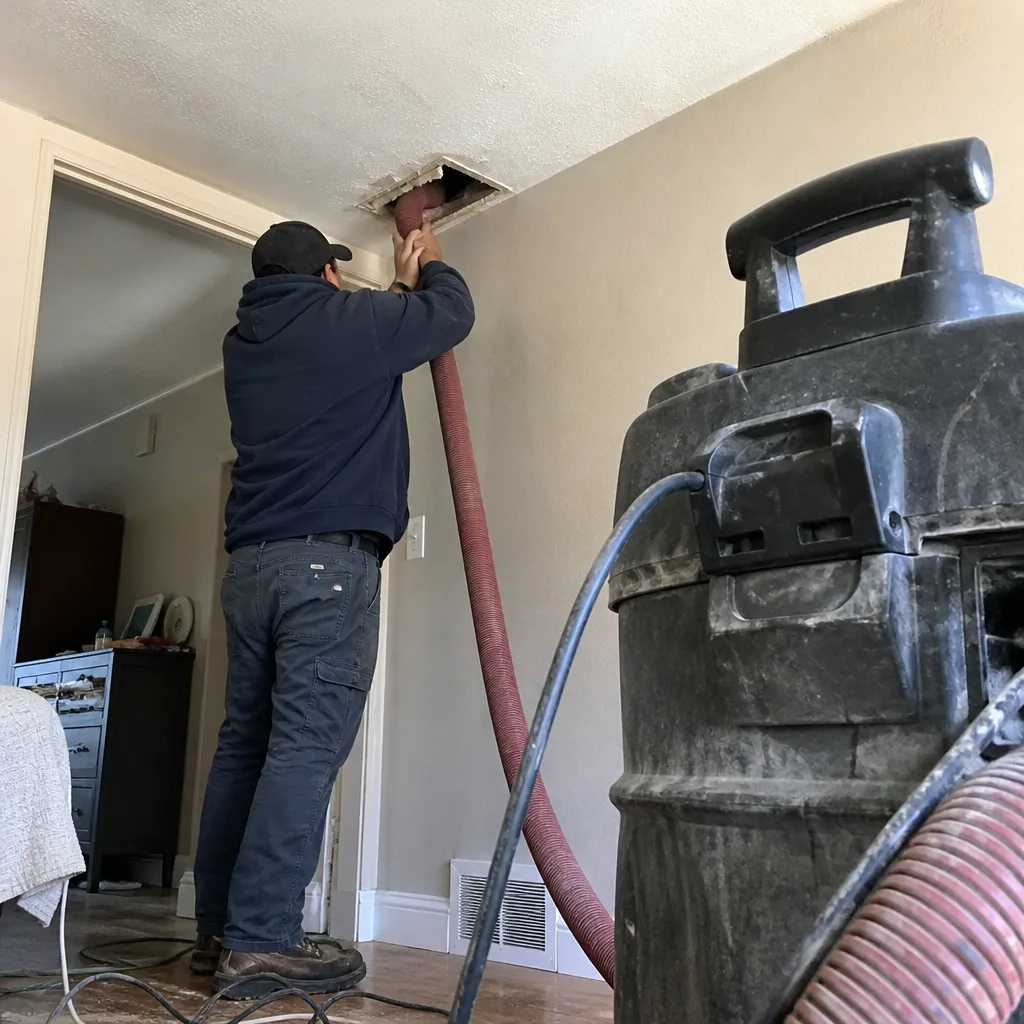 Before
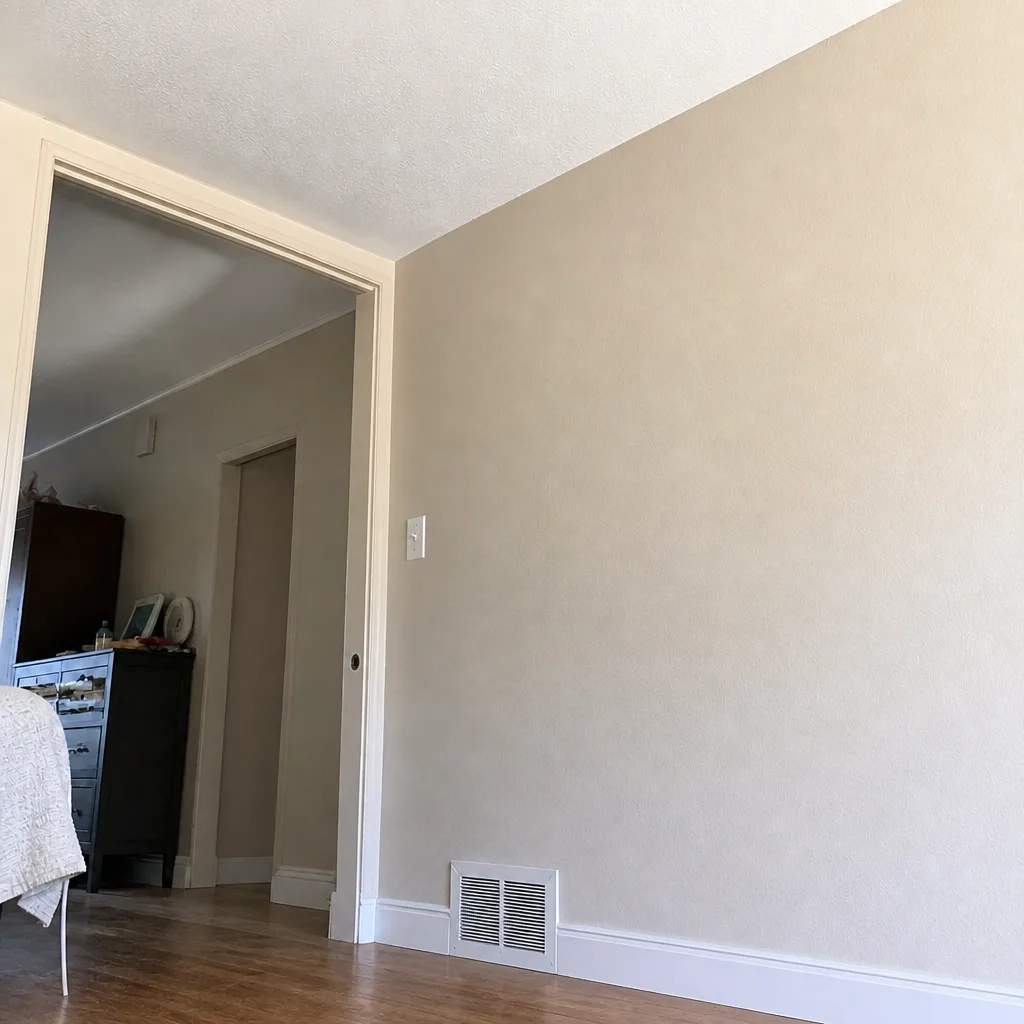 After
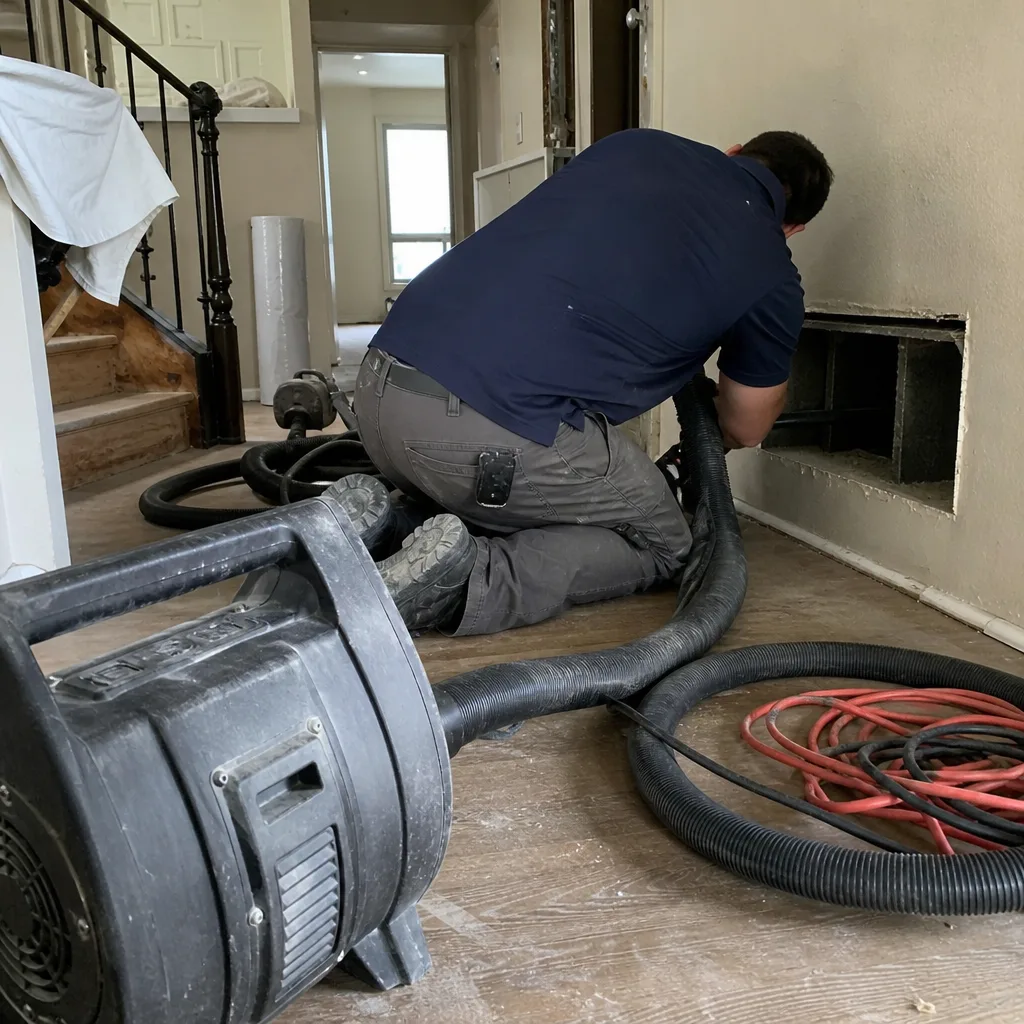 Before
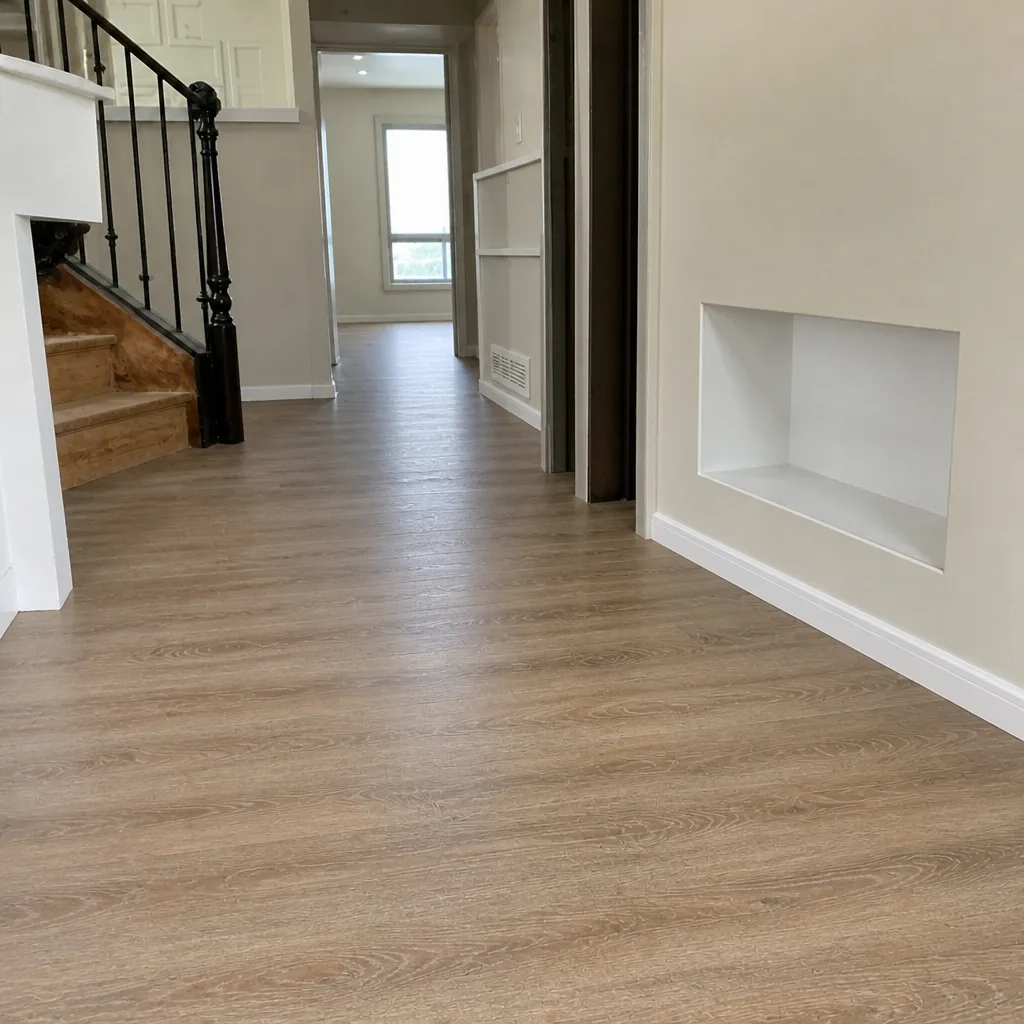 After
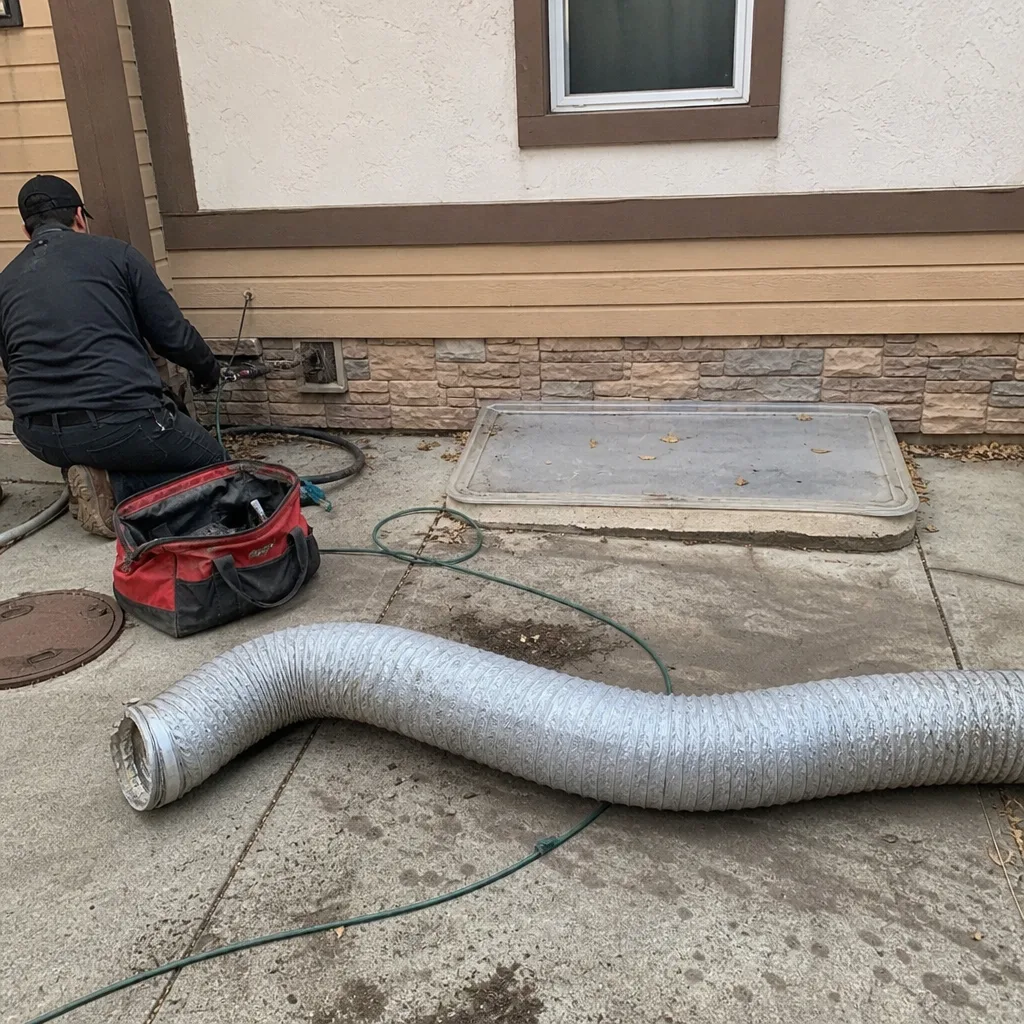 Before
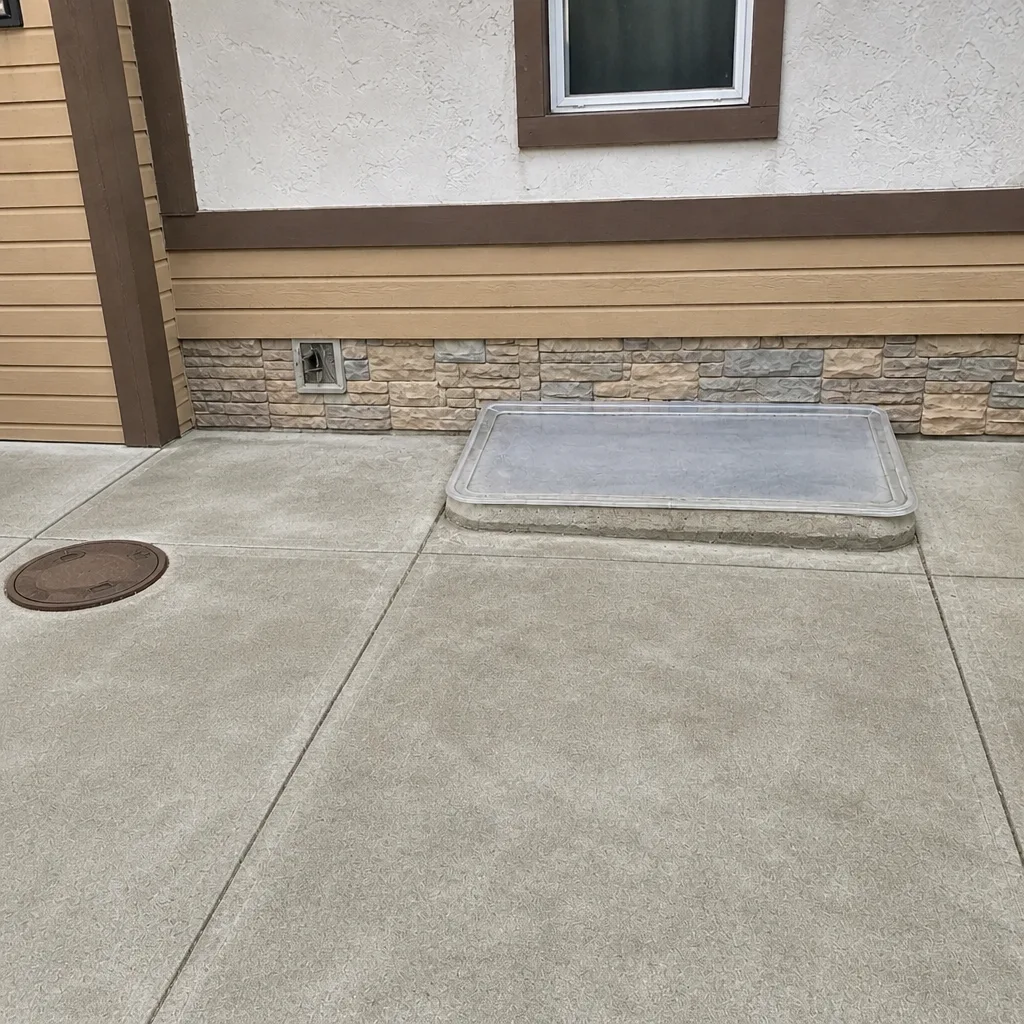 After
When to Call a Professional
Not every dusty vent is a duct problem. Some of what you’re seeing is normal, and some of it means the system needs attention now. The cases that call for a professional visit include visible debris blowing out of registers, a musty or stale smell in a room with no obvious source, uneven airflow between rooms, a recent renovation that produced dust or drywall debris, pets or occupants with sensitivities, and a dryer that’s taking noticeably longer to dry a load.
You don’t have to diagnose it yourself. Lakewood Air Duct Cleaning Co offers free estimates in Lakewood – call (877) 820-8391. We answer 24/7, and fast dispatch runs from 7am to 7pm, Sunday through Friday. The written estimate is what sets the final price, and the scope is agreed before work starts.
Frequently Asked Questions
Most whole-system duct cleaning jobs in the Lakewood area are priced per system, not per vent, and the final price depends on the number of registers, the length of the main trunk, and whether repair or sealing is part of the work. The written estimate sets the price, and a flat price agreed before work starts is the structure that protects you from a mid-job upsell. Call (877) 820-8391 for an exact quote. Estimates are free.
Because the advertised price usually covers one register or one trunk, not the whole system. The rest of the price gets added once the technician is inside and the upsell begins, often to a total well above a fair market rate. The test is simple: ask what the low price actually includes. If the answer isn’t a written scope, it isn’t a real quote. Call (877) 820-8391 for a flat per-system estimate.
You should receive before-and-after camera photos of your own ductwork and an inspection report describing what was found and cleaned. If a contractor can’t produce both, the work was described rather than shown. Ask about deliverables before you book, not after the machine is packed up. Call us at (877) 820-8391 to see what our scope document includes.
For most Lakewood households, the sensible interval is measured in years, not months, and the decision should be driven by what’s actually inside the system. A camera inspection tells you whether cleaning is warranted now. Scheduling a cleaning whether or not the system needs one is the wrong approach. Call (877) 820-8391 and we’ll tell you honestly whether it’s time.
No. Membership is a company-level affiliation with the National Air Duct Cleaners Association, and it carries no exam. Certification refers to an individual technician who holds the ACT credential, which requires passing an exam and maintaining continuing education. Ask for the technician’s name and verify the credential in the NADCA directory.
No. Colorado does not require a state license to perform air duct cleaning, which means the credential you might expect to check doesn’t exist. That’s why equipment answers, NADCA credentials, a written scope document, and post-job deliverables matter so much in this market. Call (877) 820-8391 and ask us any of the five equipment questions.
The Bottom Line
Hiring a duct cleaning contractor in Lakewood comes down to four things you control: the questions you ask, the credentials you verify, the scope you put in writing, and the evidence you require at the end. Colorado’s licensing gap means the market has good operators and bad ones with no paper to separate them, so the process has to do the work. Ask the five equipment questions. Verify the ACT credential. Get a written scope with register count and linear footage. Require before-and-after photos and an inspection report. Treat any price far below the market as a bid that will grow, not a bargain. Do that, and the difference between a professional-grade job and a shop-vac shortcut becomes obvious.
If you’ve been wondering why your vents are dusty, your energy bills are climbing, or your airflow is uneven, the answer is usually inside the ductwork. Indoor air quality starts there, not at the filter. Lakewood Air Duct Cleaning Co covers the full scope of the job, from cleaning through sealing through testing. Call (877) 820-8391 for a free estimate. We answer 24/7, and fast dispatch runs from 7am to 7pm, Sunday through Friday.
Written by the team at Lakewood Air Duct Cleaning Co.